
Last updated September 23, 2026
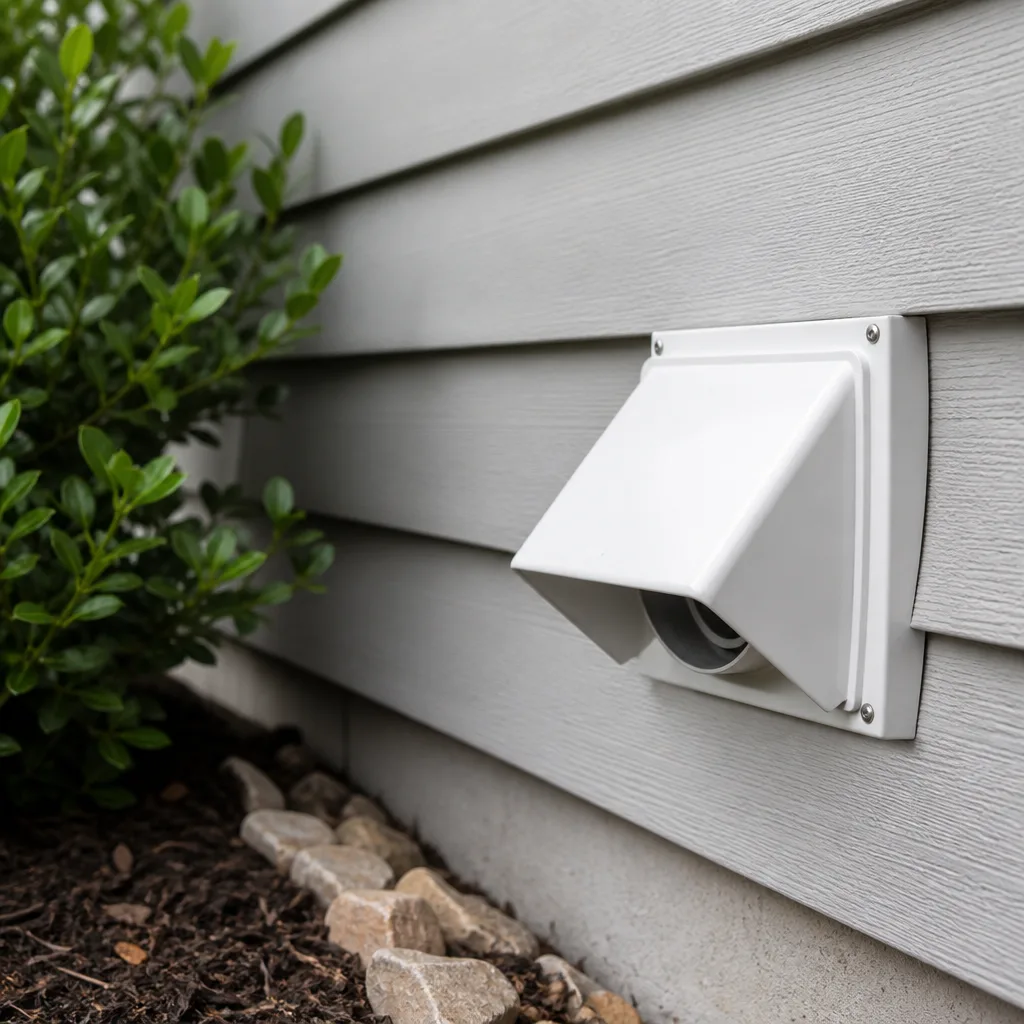
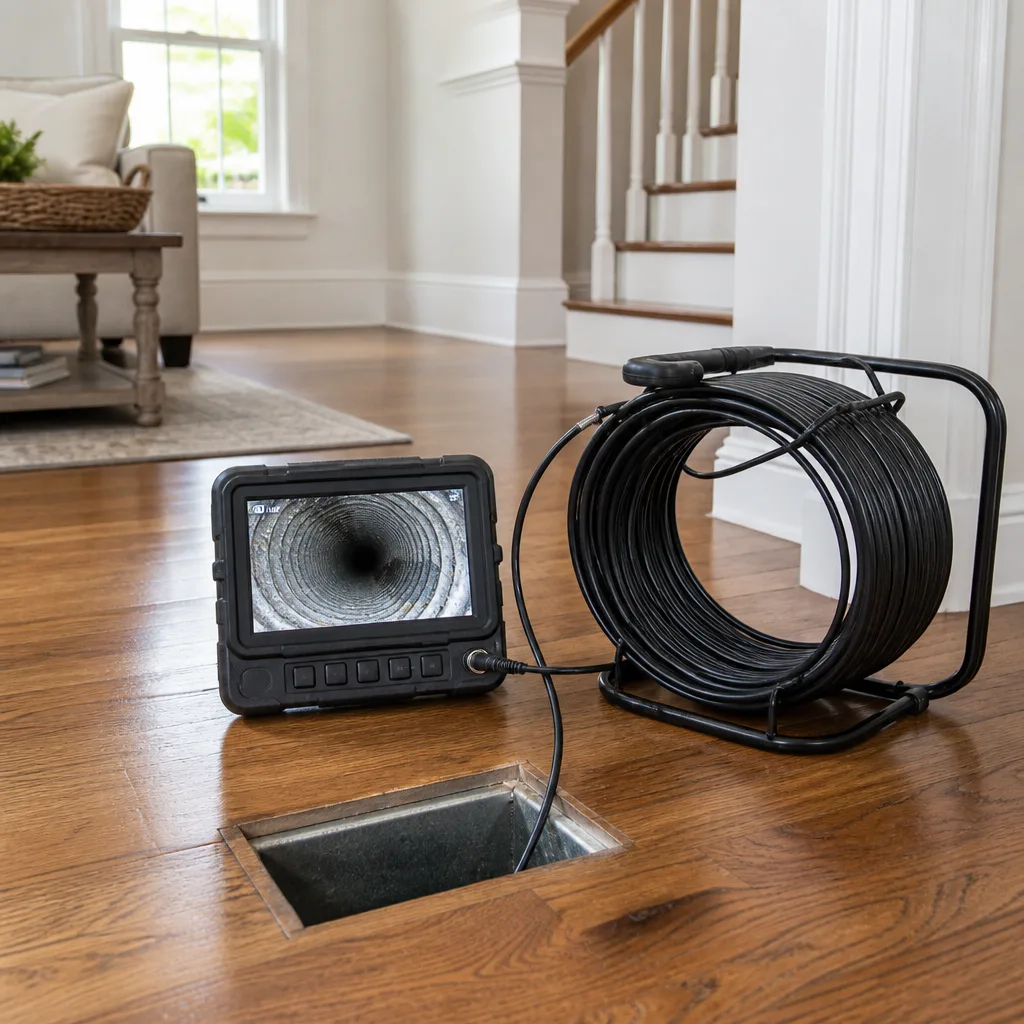
Whole-system duct and dryer vent check with before-and-after photos - you see exactly what came out of your vents
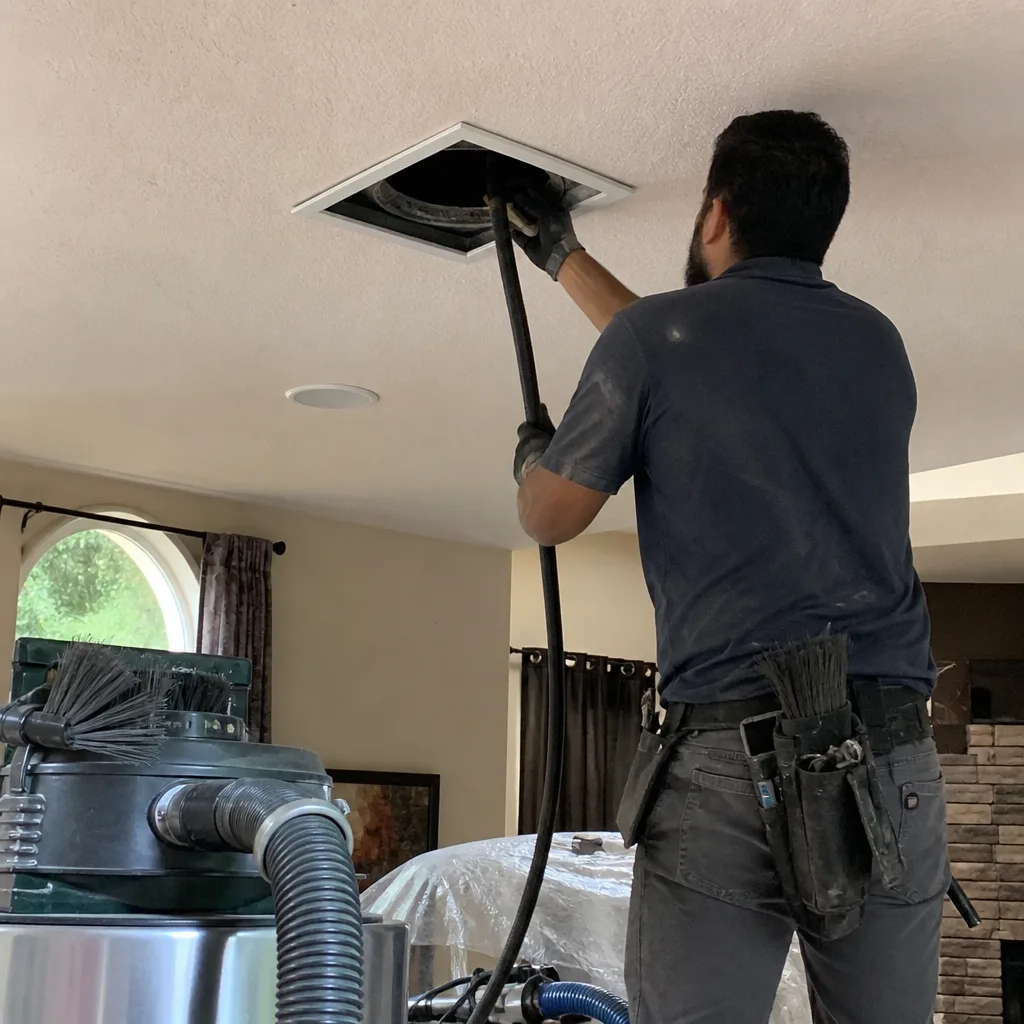
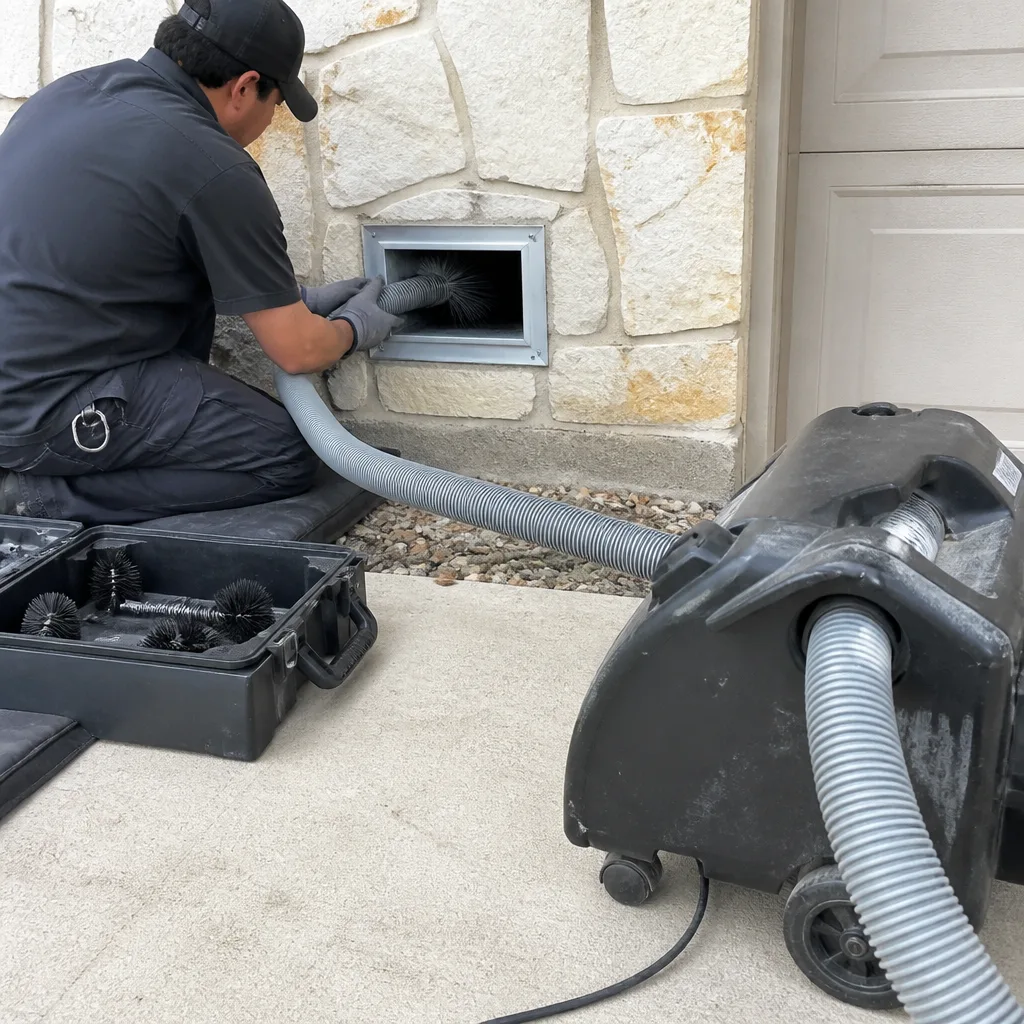
That "$99 whole-house special" is a bait ad - the real number appears once they are in your hallway, or the "clean" is a shop-vac at the register. We photograph the inside of your ducts before and after instead.


 Before
 After
After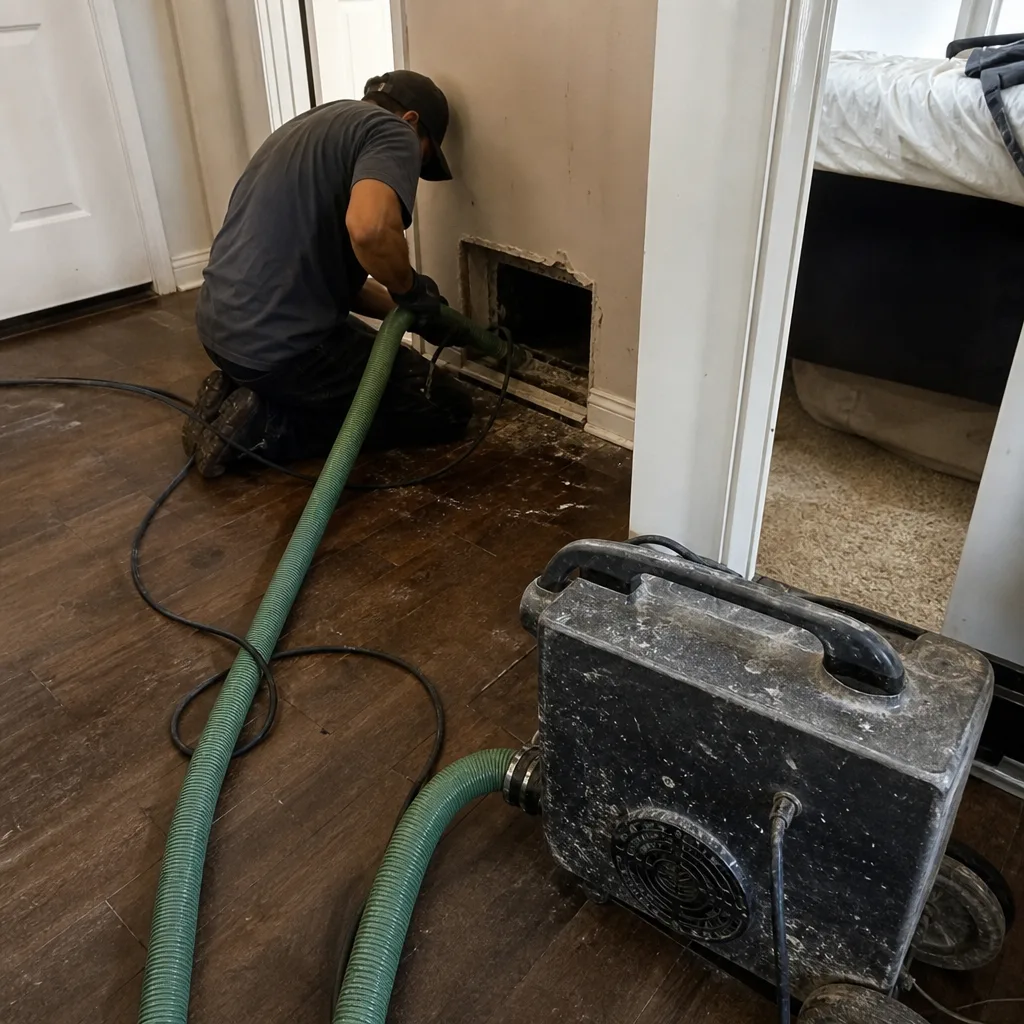 Before
 After
After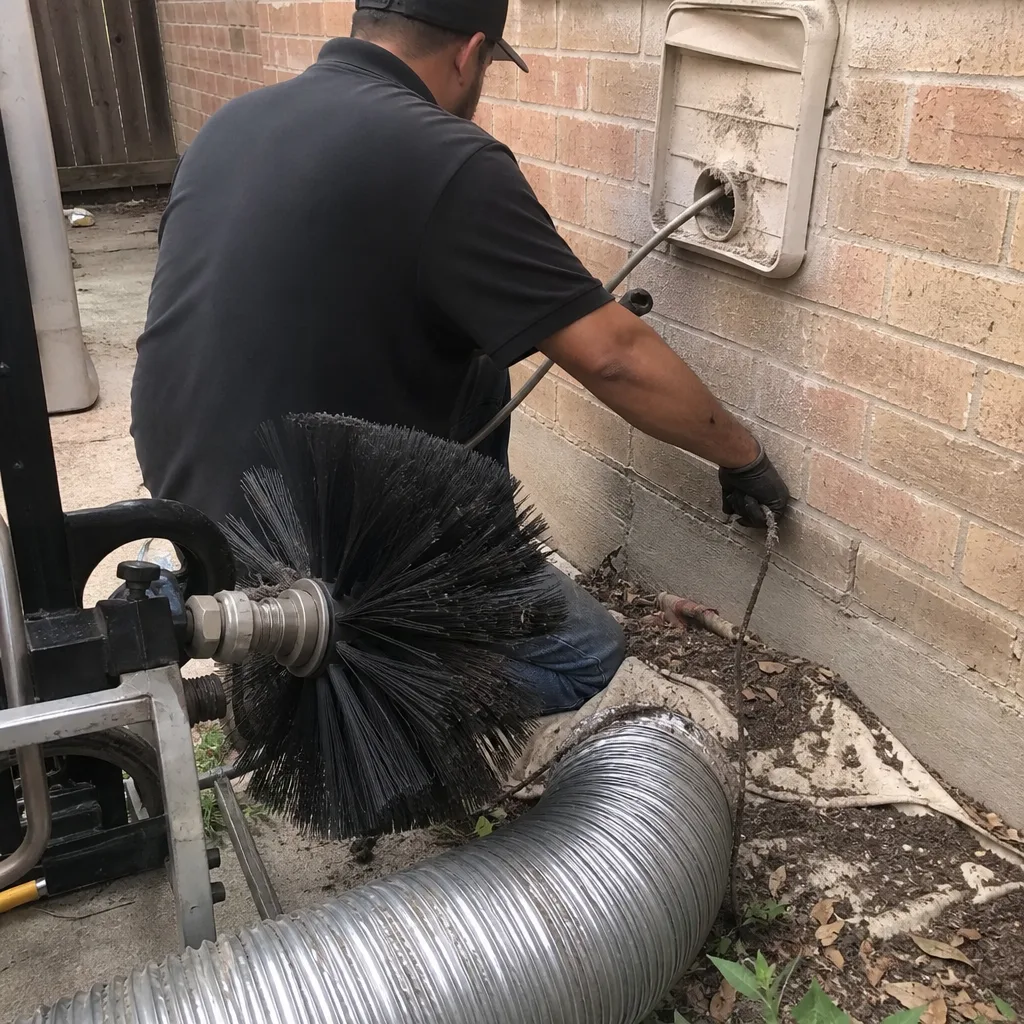 Before
 After
AfterSeasonal Air Duct Cleaning Care for Round Rock: Year-Round Homeowner’s Guide
The EPA’s 3-to-5-year duct cleaning recommendation was written as a national baseline. It does not account for Round Rock’s December-February cedar pollen counts, which are among the highest recorded anywhere in the United States. In our work across Round Rock since 2013, we’ve photographed pollen loads inside ductwork that would make a national guideline meaningless. This guide maps duct care to what actually happens in Round Rock’s air across a calendar year, not to a generic schedule printed for every climate zone combined. For a detailed look at what professional service includes, see our Air Duct Cleaning services.
Quick Answer
Round Rock homeowners should time professional duct cleaning around four distinct contamination windows: pre-cedar season filtration upgrades in November, post-construction dust assessment in late May, mid-summer humidity inspection in July-August, and post-cooling season baseline documentation in September-October. A single cleaning scheduled blindly between these windows often sees its results erased within weeks by the next seasonal event.
Table of Contents
- December-February: Mountain Cedar and Your Ductwork
- March-May: Construction Dust from the Growth Corridor
- June-August: Humidity, Condensation, and Mold Risk
- September-November: The Post-Summer Inspection Window
- How to Time Professional Cleaning Around These Windows
- Filter Strategy by Season in Round Rock
- Common Mistakes to Avoid
- When to Call a Professional
- Frequently Asked Questions
BeforeAfterDecember-February: Mountain Cedar and Your Ductwork
Mountain cedar (Juniperus ashei) releases pollen in Central Texas from December through February, with peak counts often exceeding 20,000 grains per cubic meter. Round Rock sits directly in the highest-impact zone. The pollen is microscopic, barbed, and designed to adhere to surfaces. Once it enters a home’s return air system, it travels through the plenum (the main distribution box connected to your furnace or air handler) and embeds in duct runs (the individual supply or return pathways to each room).
We’ve photographed Round Rock ductwork in January that showed a visible yellow-green film at register elbows (the curved fitting where duct meets wall or floor). The camera showed a 3-inch debris build-up at the first elbow in a home near Old Settlers Park. The homeowner had replaced their HVAC filter monthly but had never upgraded from MERV-8. Standard filters capture particles down to roughly 3 microns. Cedar pollen averages 20 microns, but the allergenic proteins fragment into sub-micron pieces that pass through lower-rated media.
What this means for duct contamination: pollen that evades filtration settles in the duct run, where it combines with household dust. Each heating cycle re-entrains a portion. The result is not a one-time exposure but a reservoir that releases for months.
Pre-season action, not reactive: Upgrading to MERV-11 or higher filtration before December is the single most effective step a Round Rock homeowner can take. We specify MERV-11 as the minimum because it captures a meaningful percentage of particles in the 1-3 micron range, where fragmented cedar proteins fall. MERV-13 is preferable for allergy-sensitive households but requires verification that your air handler can handle the static pressure drop (the resistance the filter adds to airflow, which some older systems cannot overcome without strain).
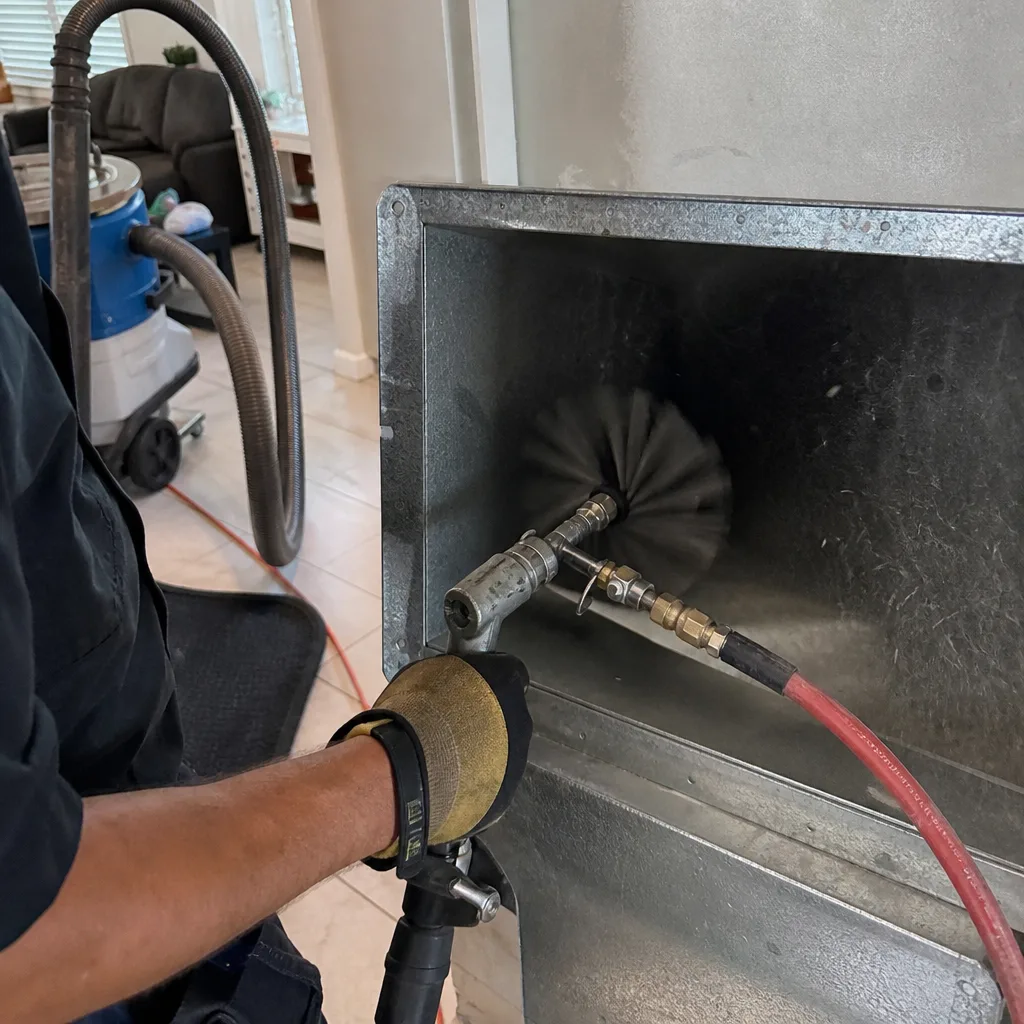
CleanRun’s documented photo record on every visit includes close-ups of register interiors. In cedar season, we flag pollen accumulation by color and texture: the granular, slightly oily quality of cedar pollen differs from ordinary household dust. Customers receive these images as part of the standard job record, dated and labeled by duct run.
If you’re experiencing cedar fever symptoms indoors during winter months, the problem is often not outdoor infiltration but recirculation through contaminated ductwork. Air Duct Cleaning in Round Rock timed for late fall addresses this before the reservoir builds.
March-May: Construction Dust from the Growth Corridor
Round Rock’s expansion along the I-35 and 183A corridors generates sustained construction activity from March through May, when site grading accelerates ahead of summer building schedules. The dust is not ordinary soil. It’s fine silica particulate from limestone substrate excavation, with particles in the PM2.5 to PM10 range that remain airborne for hours and travel significant distances.
We’ve documented this in homes within a half-mile of active grading. The camera showed angular, reflective particles in return air ducts (the pathways that draw air from rooms back to the air handler), distinct from the fibrous, organic composition of typical household dust. In a 2019 job near the La Frontera development, the debris layer was uniform across all second-floor returns, suggesting systematic infiltration rather than normal accumulation.
How silica dust enters duct systems:
- Through the building envelope: even well-sealed homes experience pressure differentials that draw outdoor air through gaps around windows, doors, and attic access points during HVAC operation.
- Through the return air pathway: the return side of a duct system operates under negative pressure (suction), making it the primary entry point for particulate.
- Through the air handler cabinet: if the filter seal is imperfect or the cabinet itself has gaps, unfiltered air bypasses the media entirely.
The health distinction matters. Silica dust is a known respiratory hazard in occupational settings. While residential exposure levels are lower, chronic low-level exposure through recirculating ductwork is not benign, particularly for homes with children or occupants with existing respiratory conditions.
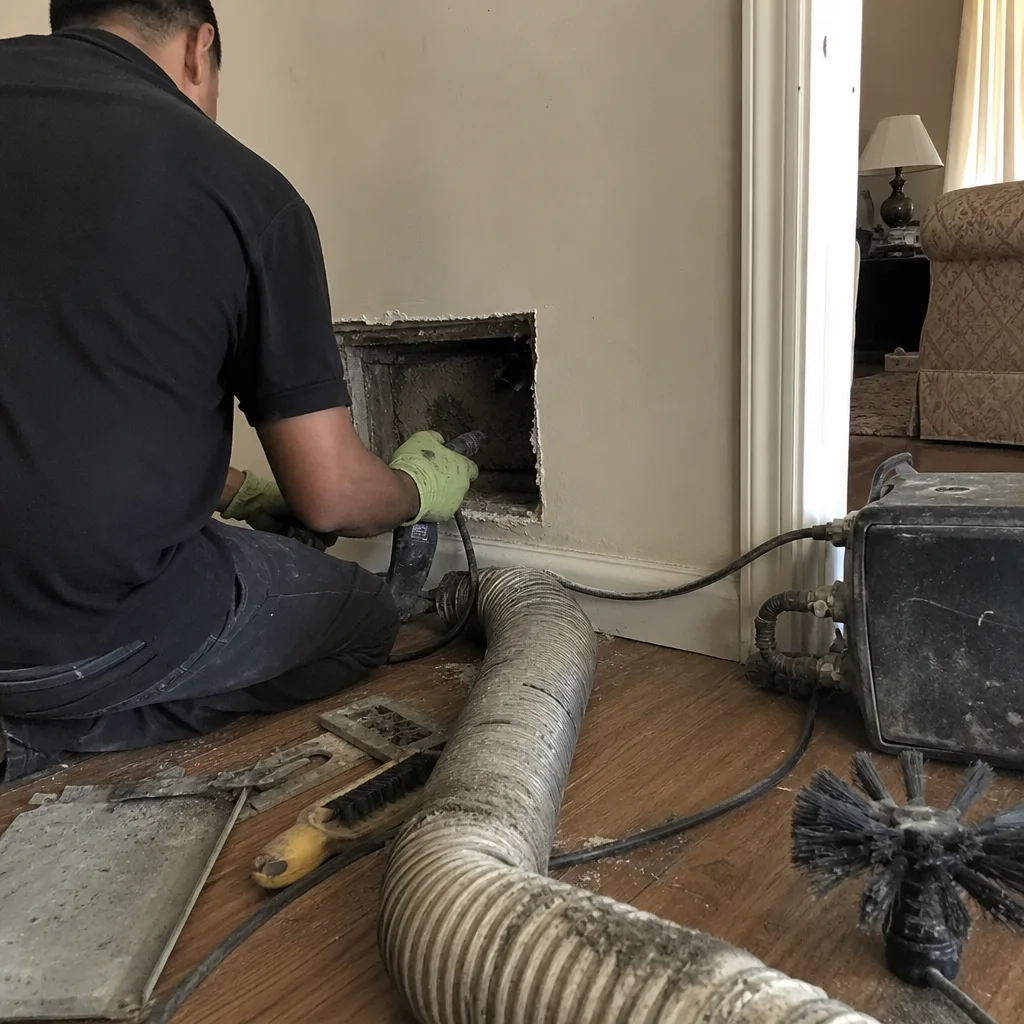
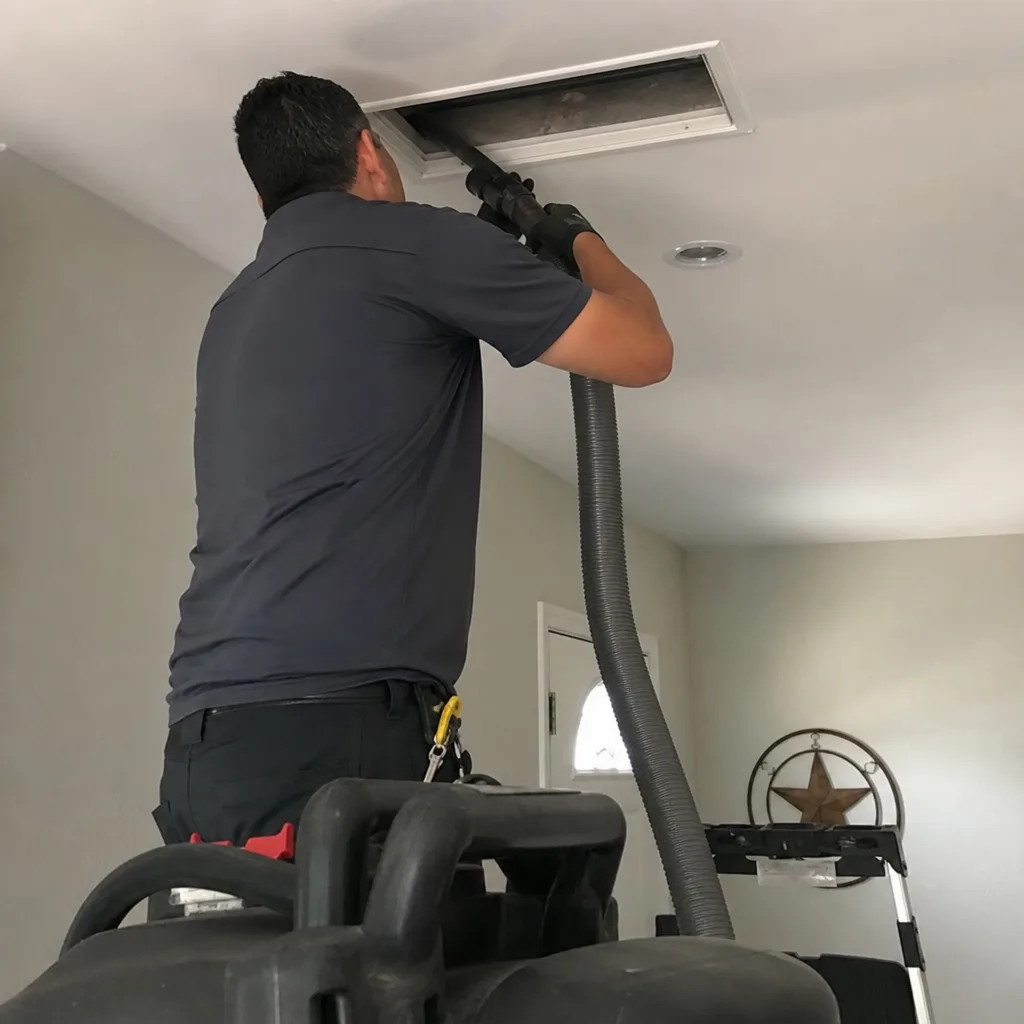
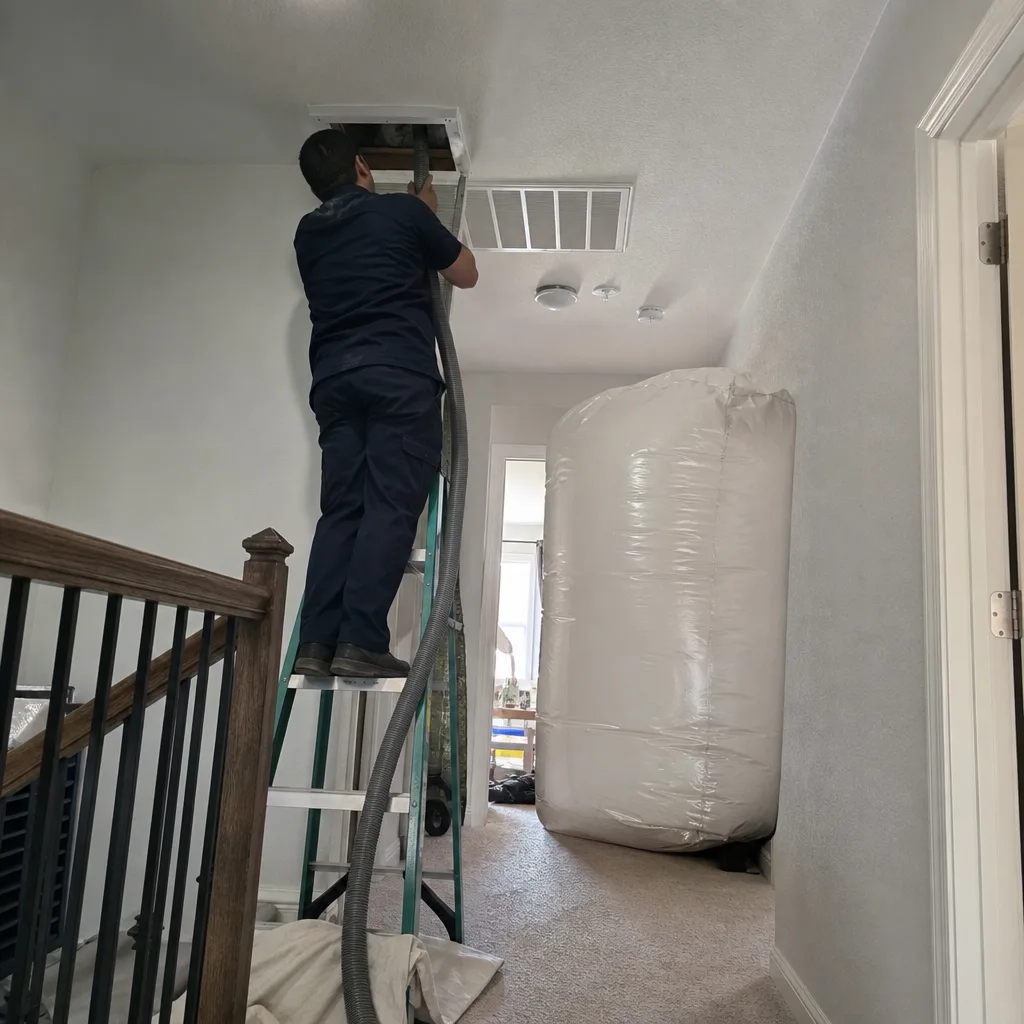
Our equipment roster includes Nikro and Abatement Technologies negative-pressure extraction systems. Negative-pressure extraction (creating suction within the ductwork so debris is captured at the point of disturbance, rather than released into the home) is the standard for silica-contaminated systems. We name these brands so customers can verify manufacturer specifications independently.
For homes near active construction in Round Rock, we recommend a post-construction season inspection in late May. The documented photo record establishes whether visible silica loading has occurred. If cleaning is warranted, the timing places the work after the primary dust window and before summer humidity creates adhesion conditions that make silica more difficult to remove completely.
June-August: Humidity, Condensation, and Mold Risk
Round Rock’s summer design conditions per ACCA Manual J (the industry standard for residential load calculation) assume outdoor humidity ratios that push indoor relative humidity above 60% RH whenever the air conditioning system is undersized, improperly configured, or experiencing duct leakage. At 60% RH and above, mold growth becomes viable on organic surfaces within 48-72 hours.
The critical temperature differential: supply air leaving a properly charged central air conditioner in Round Rock is typically 55-58°F. When this air passes through a flex duct (the flexible, insulated ductwork common in attics) in an attic that reaches 140°F on July afternoons, the temperature differential across the duct wall can exceed 80°F. If the duct insulation is compressed, damaged, or inadequate, the inner surface reaches the dew point. Condensation forms. Dust already present in the duct provides the organic substrate.
We’ve photographed mold growth in Round Rock attics where the pattern corresponded exactly to compressed flex duct sections. In one 2021 job in the Forest Creek area, the camera showed circumferential staining at 18-inch intervals, matching the spacing of support straps that had compressed the insulation over years. The mold was not in the living space yet, but the spore count in supply air was elevated, and the homeowner reported a musty odor that intensified when the AC cycled on.
What homeowners should monitor in summer:
- Musty odors that appear only when the system runs, particularly the first minute after startup
- Visible moisture or staining around ceiling registers
- Unexplained increase in cooling costs, suggesting duct leakage that pulls humid attic air into the system
- Condensation on ductwork visible in attic access areas
The Round Rock climate creates a specific risk profile: our summer humidity is sustained long enough that intermittent condensation becomes chronic wetting. A single July storm that raises attic humidity for 72 hours can initiate growth if the duct surface was already near threshold conditions.
Professional cleaning in mid-summer addresses mold reservoirs before they amplify. Our process includes Honeywell and Aprilaire media as part of the post-cleaning recommendation, with specific humidity control strategies for homes with documented moisture history. The documented photo record is particularly valuable here: customers can compare year-over-year images to verify that recommended humidity controls are preventing recurrence. For a full maintenance framework, see our Air Duct Cleaning Maintenance Checklist for Round Rock Homeowners.
HVAC Cleaning in Round Rock during this window should include the evaporator coil and condensate pan, not just ductwork. These components are the humidity source; cleaning ducts alone leaves the root cause intact.
September-November: The Post-Summer Inspection Window

September through October in Round Rock represents the lowest-contamination interval of the year. Cedar pollen has subsided. Construction grading has paused for summer heat. Humidity is dropping. This is the optimal window for baseline documentation before heating season begins.
What a camera should show after a full cooling season:
- Clean duct runs with minimal accumulation: if the system was properly maintained, the photo record should show smooth metal or flex surfaces with only a light, even dust film. Heavy accumulation suggests filter bypass, duct leakage, or inadequate filtration.
- No moisture staining or mold indicators: any circumferential discoloration, particularly on flex duct, warrants investigation of insulation integrity and attic ventilation.
- Register interiors free of debris build-up: the elbow and damper areas (the adjustable vanes that control airflow direction) should move freely without binding from accumulated particulate.
- Consistent appearance across all runs: significant variation between rooms suggests duct leakage or balancing problems that affect airflow and filtration effectiveness.
The value of documentation in this window is comparative. A Round Rock homeowner with a 2023 photo record can compare it directly to 2024 images. Accelerated accumulation in specific runs identifies problems before they affect air quality. We deliver these records as dated, labeled files included in the standard job record on every CleanRun visit.
For homes that have not had professional service, fall is the ideal time for initial cleaning and documentation. The work establishes a clean baseline before heating season, when the system will recirculate air more frequently and any existing contamination will be distributed more intensively. The 365-Day Done Right Promise means that if conditions change unexpectedly, the work is accountable long after the truck leaves.
Leaf debris in fall deserves specific mention for Round Rock homes with outdoor air intakes or package units (self-contained HVAC systems common in some local construction). Oak and cedar elm debris can clog intake screens and enter the system if filters are compromised. A visual inspection of the outdoor unit and intake path should be part of seasonal homeowner maintenance, separate from duct cleaning but related to system protection.
How to Time Professional Cleaning Around These Windows
The central error in generic duct cleaning advice is temporal blindness. A cleaning performed in January, immediately after peak cedar season, sees its results contaminated within weeks by residual pollen. A cleaning in April, during active construction, may be followed by significant silica loading before summer begins. A cleaning in July, without humidity control, can be undermined by mold growth that the cleaning itself cannot prevent.
Optimal timing for Round Rock:
| Seasonal Window | Recommended Action | Timing |
|---|---|---|
| Pre-cedar preparation | MERV-11+ filter upgrade; duct inspection if no prior documentation | Mid-October to mid-November |
| Post-construction assessment | Photo inspection; cleaning if silica loading documented | Late May to early June |
| Mid-humidity intervention | Cleaning plus humidity control evaluation; coil and pan service | July to early August |
| Post-cooling baseline | Full cleaning and documentation for heating season | September to mid-October |
This schedule does not mean four cleanings per year. Most Round Rock homes benefit from professional service every 18-24 months, with the specific timing aligned to the window that addresses their dominant exposure. Homes in active construction zones may need more frequent service. Homes with excellent filtration, tight envelopes, and documented clean baselines may extend intervals.
The Haven Standard Clause 1 governs our approach: written price delivered before any work starts, every time. We do not perform “inspections” that become sales presentations. A photo inspection in late May carries a written price for cleaning if warranted, and a separate written price if no cleaning is needed. The customer chooses before any panel comes off.
Our Free Second Opinion on any written estimate applies to timing decisions as well. If another company has recommended immediate cleaning without seasonal context, we will document our assessment and put our written price next to theirs.
Filter Strategy by Season in Round Rock

Filter selection is the homeowner’s most frequent and most misunderstood duct maintenance action. The wrong filter in the wrong season amplifies every contamination window described above.
December-February (cedar season): MERV-11 minimum, MERV-13 preferred for allergy-sensitive households. Verify air handler compatibility; restricted airflow increases duct leakage and reduces filtration effectiveness. Change interval: 30-45 days, not the standard 90, because pollen loading saturates media faster than dust alone.
March-May (construction season): Maintain MERV-11 if already installed. Inspect filter seal monthly; the negative pressure on return ducts during high outdoor particulate periods makes bypass gaps more consequential. Consider supplemental portable filtration for rooms with occupants who work from home.
June-August (humidity season): Filter efficiency matters less than airflow volume. A clogged filter in summer reduces evaporator airflow, causing coil icing or inadequate dehumidification. Change on condition (visible loading) rather than schedule if the home experiences high runtime hours. Ensure the filter cabinet seal is intact; humid attic air drawn through gaps bypasses filtration entirely.
September-November (baseline season): Standard MERV-8 acceptable for homes without specific sensitivities, provided the duct system is clean and documented. This is the window to verify that your air handler can support upgraded filtration before next cedar season, by checking manufacturer specifications or having a technician measure static pressure.
We specify Honeywell and Aprilaire media in our recommendations because these manufacturers publish independent test data and maintain consistent availability. Customers can verify specifications and replace media without proprietary restrictions.
Common Mistakes to Avoid
- Scheduling cleaning during peak cedar season without pre-cleaning filtration upgrade. The work is immediately re-contaminated. We see this annually in Round Rock: homeowners who wait until symptoms are severe, then expect a single cleaning to solve a problem that requires sustained filtration improvement.
- Ignoring construction proximity. A home within a half-mile of active grading needs different timing and possibly different cleaning intensity than a home in established forest. Generic scheduling ignores this entirely.
- Cleaning without humidity control assessment. In Round Rock’s summer climate, mold recurrence is likely if the conditions that enabled growth persist. Cleaning is remediation; humidity control is prevention. One without the other is incomplete.
- Accepting per-vent pricing. This model incentivizes superficial work. A duct system should be priced as a complete system, with the written scope defining every run to be cleaned and photographed. Haven Standard Clause 1 requires system-level pricing, not per-component ambiguity.
- Skipping documentation. Without before-and-after images, a homeowner cannot verify that cleaning occurred, compare year-over-year conditions, or hold any provider accountable. The documented photo record is not a marketing extra; it is the evidence of work performed.
- Using the same filter year-round. Round Rock’s four distinct contamination profiles require seasonal filter strategy. A single MERV-8 changed quarterly is adequate for no specific window and optimal for none.
- Delaying service until symptoms appear. By the time cedar fever, musty odors, or visible dust are present, the contamination reservoir is established. Preventive timing based on the calendar is more effective and often less expensive than reactive remediation.
When to Call a Professional
Call for documented inspection when you observe musty odors tied to system operation, visible debris at registers, uneven airflow between rooms, or unexplained increases in cooling costs. Call before seasonal windows if you have no prior photo record and cannot verify duct condition. Call when you’ve received a written estimate that lacks specific scope, pricing, or equipment detail.
CleanRun Air Duct Cleaning Round Rock offers free estimates in Round Rock. Every estimate includes a written price before work starts and a documented photo record of every duct run when the crew leaves. Call (737) 259-5752 to schedule. Our technicians are background-checked, uniformed, and identified by name before arrival, under Haven Standard Clause 3: Verified Crews.
Frequently Asked Questions
Whole-system air duct cleaning for a typical single-family home in Round Rock ranges from $450 to $850, depending on system size, accessibility, and contamination level. For a detailed cost analysis, see our Air Duct Cleaning Cost Breakdown: The Round Rock Homeowner’s Reference for 2026. This is a flat price per system, agreed in writing before work begins, with no per-vent add-ons or post-arrival adjustments. Call (737) 259-5752 for an exact quote for your home - estimates are free.
The $79-$149 coupon model typically covers a brief vacuuming of visible register areas, not full-system cleaning with negative-pressure extraction and photographic documentation. The low entry price is recovered through upsold “extras” once the technician is in the home. CleanRun’s written price under Haven Standard Clause 1 includes the complete scope; what we quote is what you pay.
You receive a documented photo record of every duct run, before and after, as a standard deliverable on every CleanRun job. The images are dated, labeled by location, and show the interior surface condition. If a company cannot or will not provide this, you have no verification that cleaning occurred beyond the registers you can see.
Most Round Rock homes benefit from professional cleaning every 18-24 months, but the specific timing should align with your dominant seasonal exposure: cedar pollen, construction dust, humidity, or post-cooling baseline documentation. Homes near active construction or with allergy-sensitive occupants may need more frequent service. The photo record from your last cleaning determines whether the interval should shorten or extend.
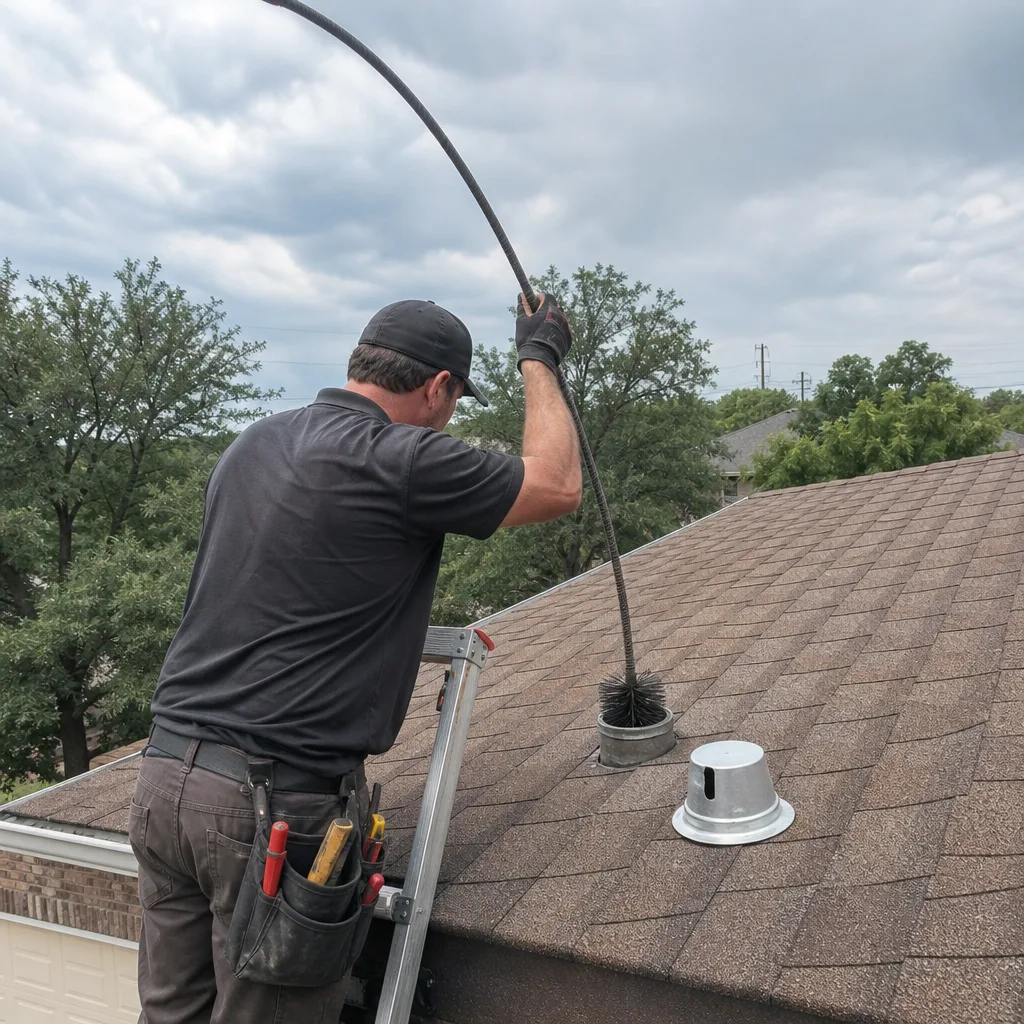
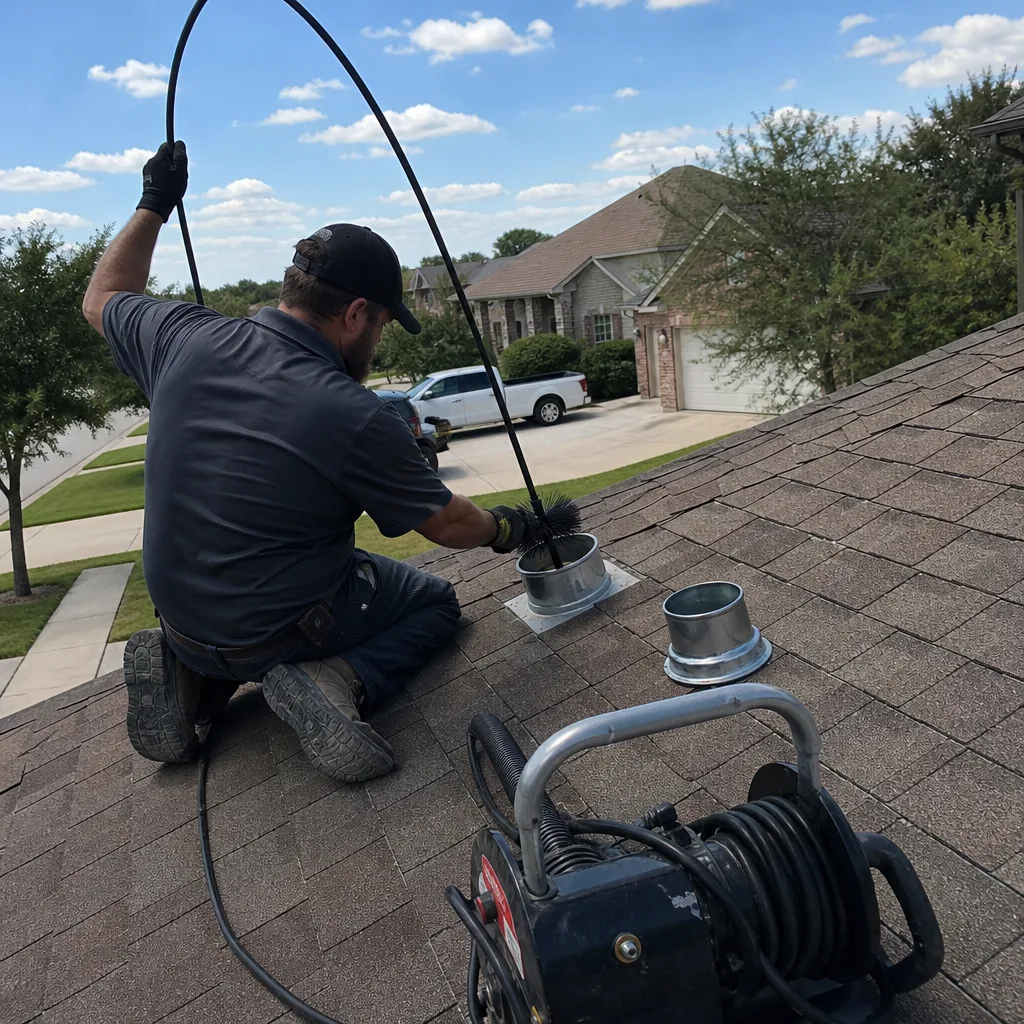
Homeowner-accessible maintenance includes filter replacement, register vacuuming, and visual inspection of accessible duct sections. Full-system cleaning requires negative-pressure extraction equipment, rotary brushes sized to duct diameter, and containment protocols that prevent contamination release into the home. The Rotobrush and Nikro equipment we use is professional-grade and not available for consumer rental in configurations adequate for complete cleaning. For safety and effectiveness, professional service is the appropriate choice for whole-system work.
Cleaning removes accumulated pollen reservoirs from ductwork, which reduces recirculation exposure. It does not eliminate outdoor infiltration or replace filtration. The most effective approach for Round Rock homeowners is pre-season MERV-11+ filter installation, combined with duct cleaning timed before cedar season to remove prior accumulation. Cleaning during peak season, without filtration upgrade, provides limited benefit because new pollen enters continuously.
The Bottom Line
Round Rock’s climate creates four distinct duct contamination windows that generic national advice cannot address. Cedar pollen, construction silica, summer humidity, and seasonal transitions each require specific timing and specific preventive action. The homeowners who manage duct systems well in this market document conditions photographically, upgrade filtration before high-exposure seasons, and schedule professional cleaning to align with the calendar of actual contamination, not an arbitrary interval. The written price, the photo record, and the seasonal strategy together replace guesswork with evidence. Explore more guides & resources for year-round duct care.
Written by Tomas Reyes, Owner at CleanRun Air Duct Cleaning Round Rock, serving Round Rock since 2013.