
Last updated September 23, 2026
Whole-system duct and dryer vent check with before-and-after photos - you see exactly what came out of your vents
That "$99 whole-house special" is a bait ad - the real number appears once they are in your hallway, or the "clean" is a shop-vac at the register. We photograph the inside of your ducts before and after instead.
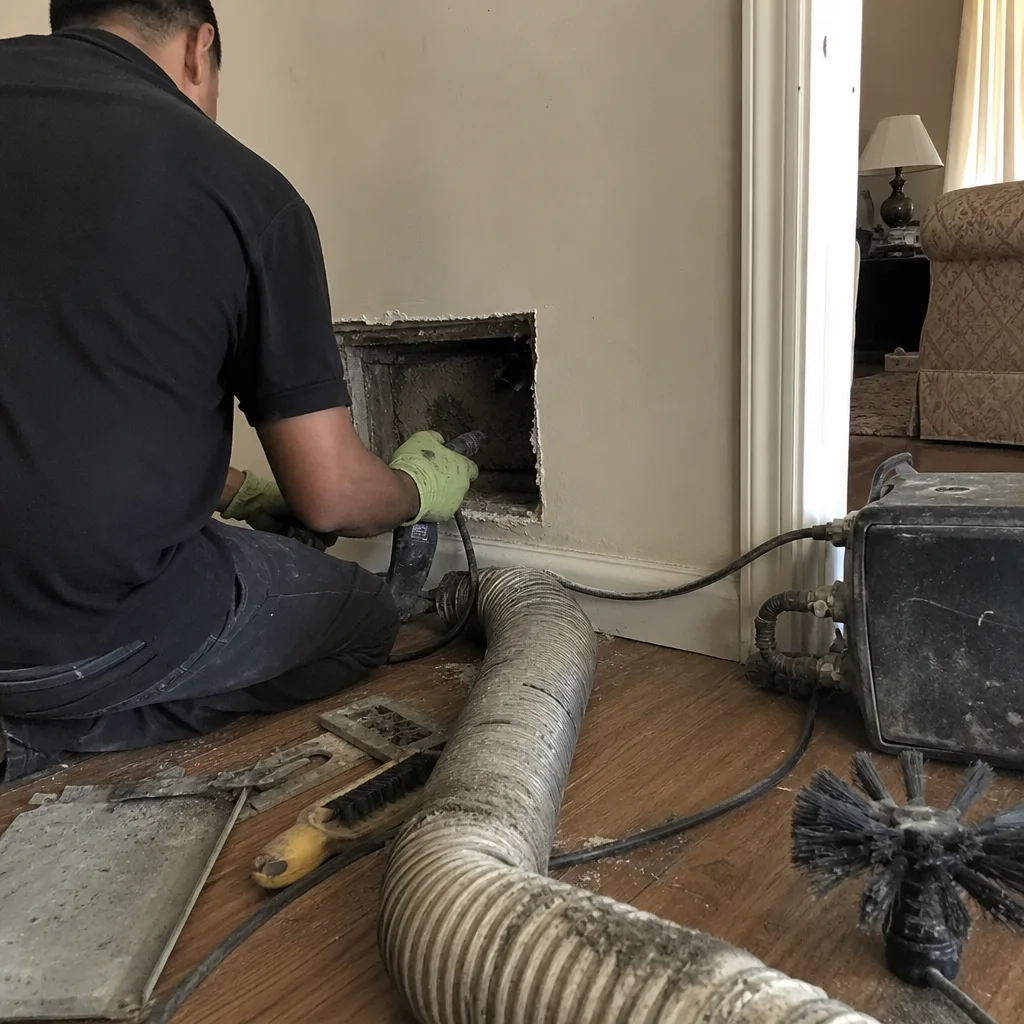 Before
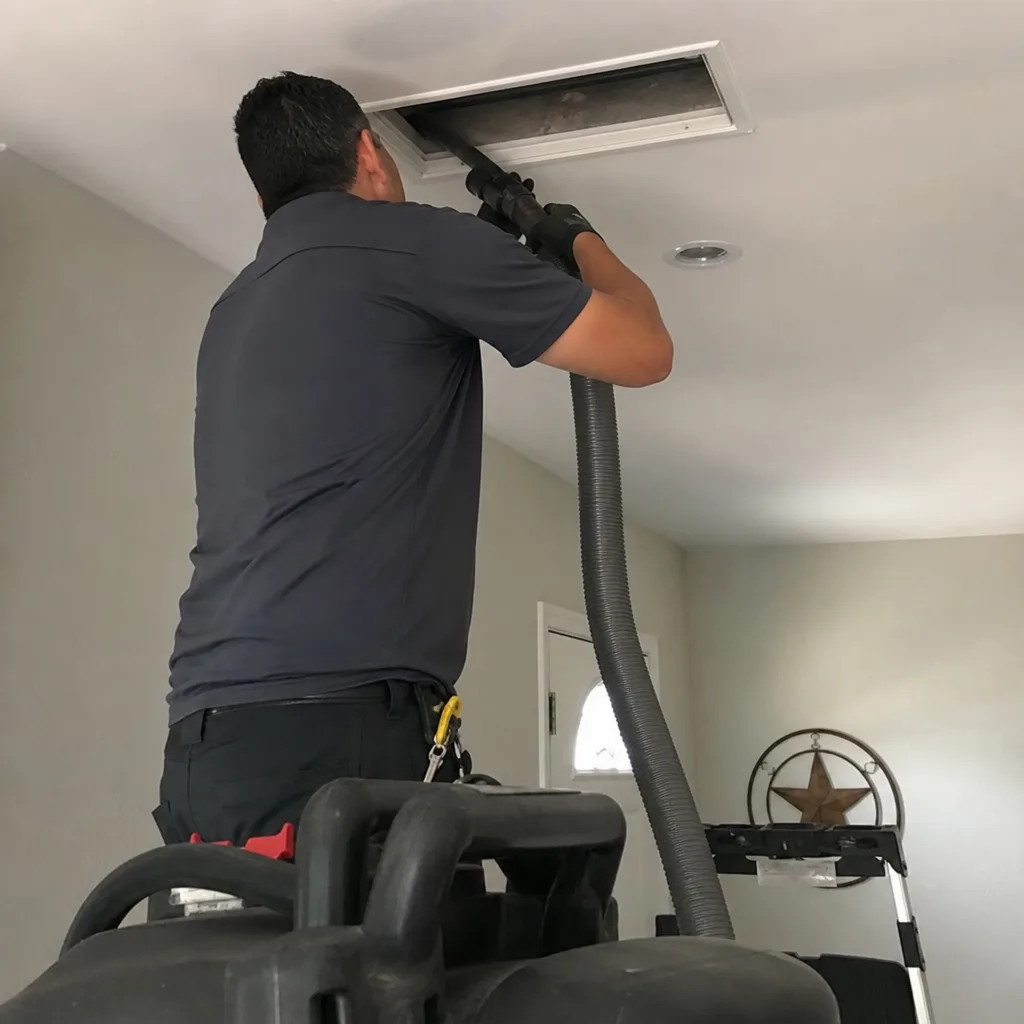 After
After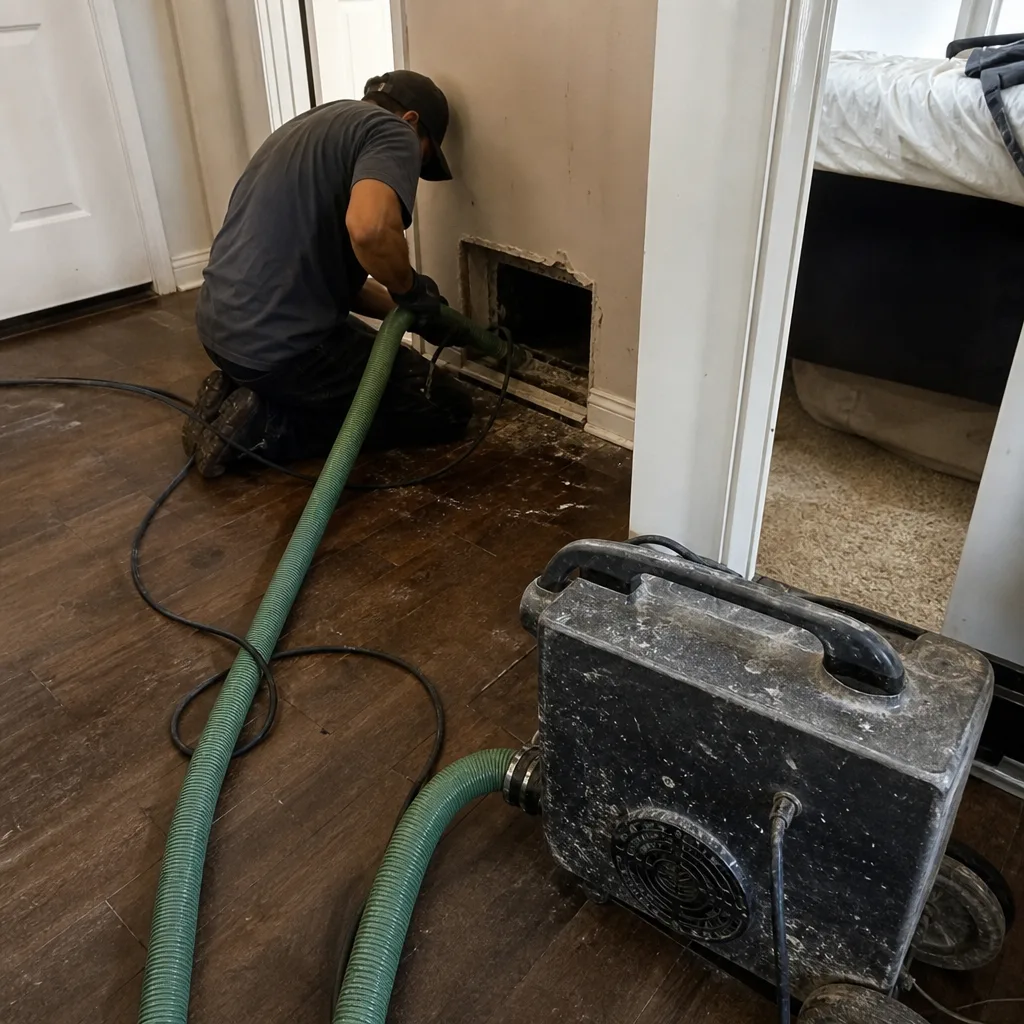 Before
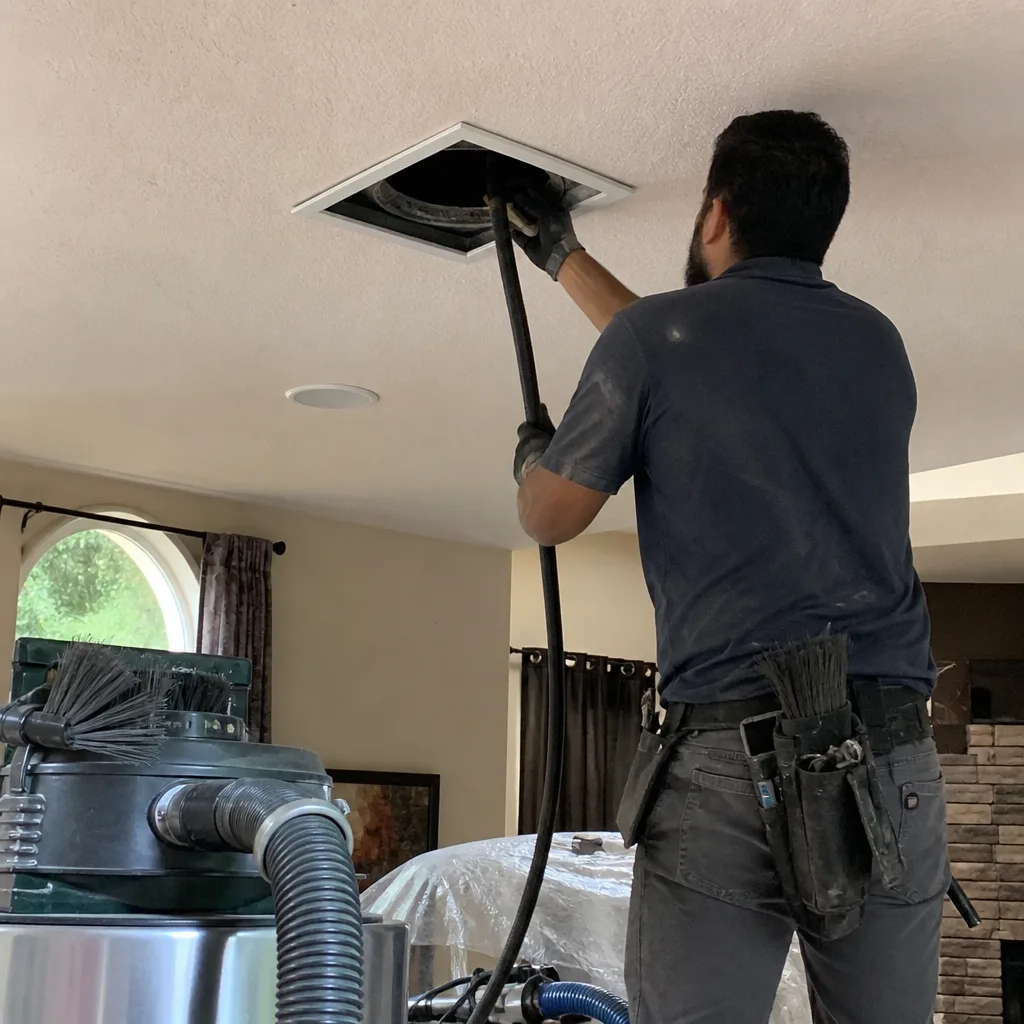 After
After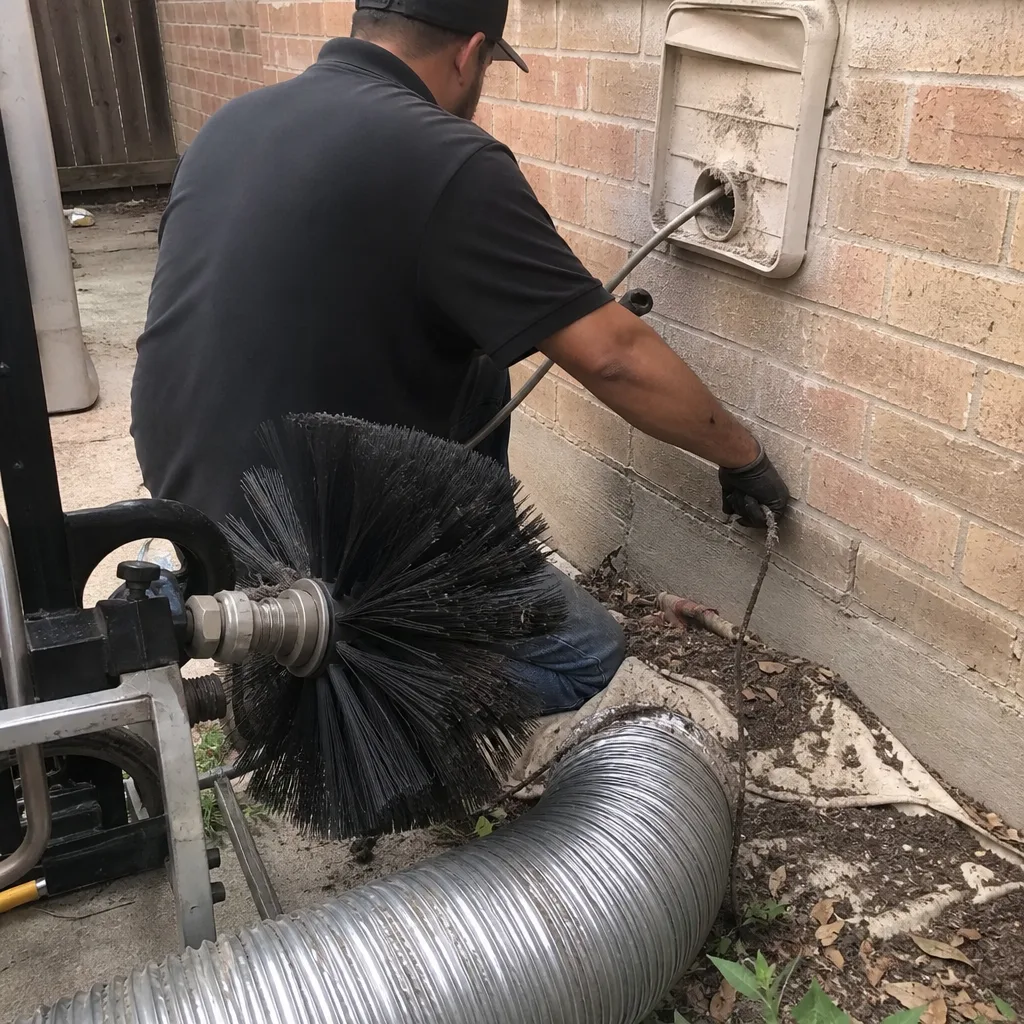 Before
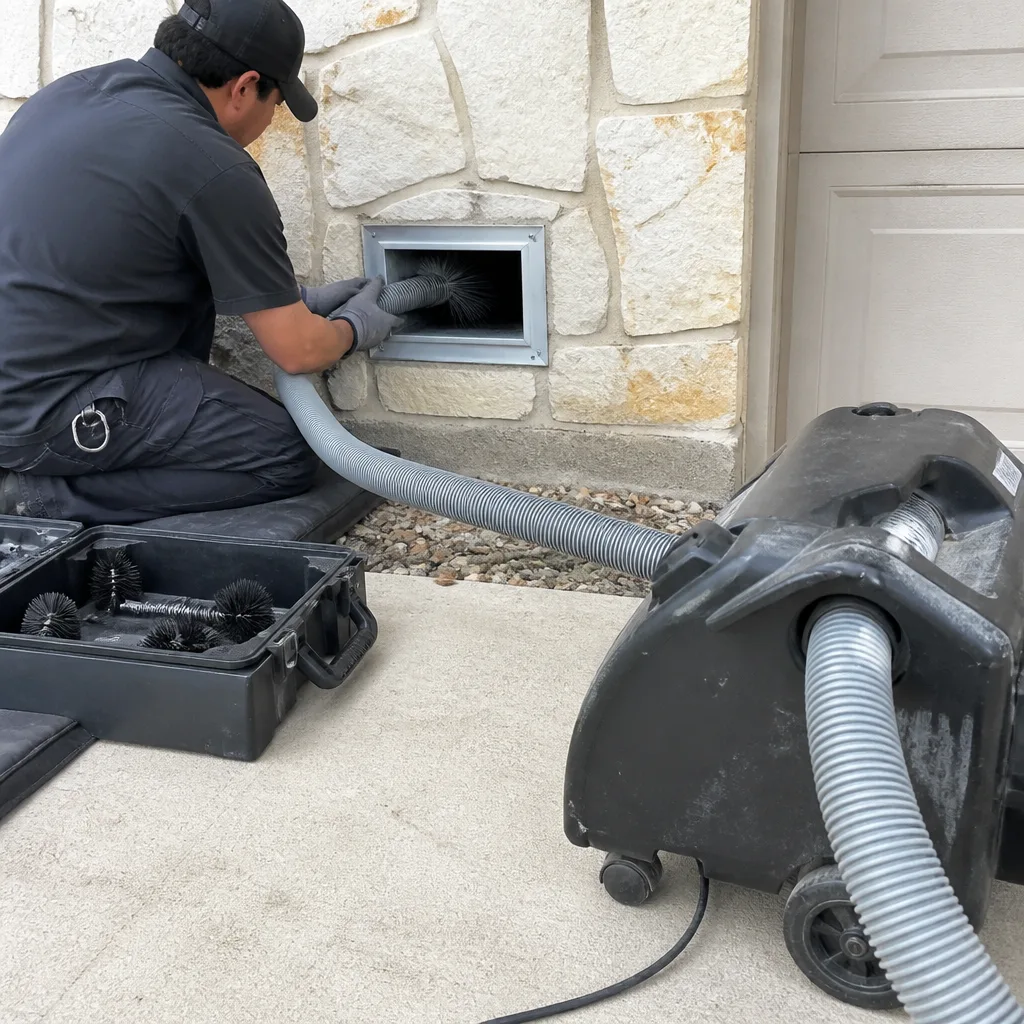 After
AfterAir Duct Cleaning Maintenance Checklist for Round Rock Homeowners
The most common item on every duct maintenance checklist - “check your filter” - has nothing to do with what’s already inside the ductwork. By the time a dirty filter is obvious to the eye, contamination has typically advanced six feet past the plenum and into the main trunk line. In Round Rock, where cedar season runs December through February and construction dust from the 183A corridor resettles in attics year-round, the gap between filter maintenance and duct interior maintenance is where most homeowners lose control of their air quality. This guide is built around what our technicians actually photograph during every Air Duct Cleaning job: specific measurements, visible markers, and dates that trigger action, not generic reminders you already know.
Quick Answer
A useful air duct cleaning maintenance checklist for Round Rock homeowners includes monthly register inspections with a flashlight and phone camera, quarterly filter changes matched to MERV rating and local pollen load, annual static pressure testing, and professional camera documentation of every duct run every 2-3 years. For Air Duct Cleaning Warning Signs: A Round Rock Homeowner’s Reference Guide, see our detailed breakdown. The critical distinction: filter maintenance and duct interior maintenance operate on separate schedules, and Round Rock’s cedar pollen, construction dust, and post-flood humidity events accelerate the latter independently of the former.
Table of Contents
- The Room-by-Room Register Inspection Method
- Round Rock-Specific Contamination Triggers
- Static Pressure: The Measurable Indicator Most Homeowners Miss
- Filter MERV Schedules vs. Duct Interior Schedules
- 12-Month Maintenance Calendar: Owner vs. Contractor Tasks
- What Professional-Grade Equipment Actually Does
- What Documentation You Should Receive and Keep
- Common Mistakes to Avoid
- When to Call a Professional
- Frequently Asked Questions
BeforeAfterThe Room-by-Room Register Inspection Method
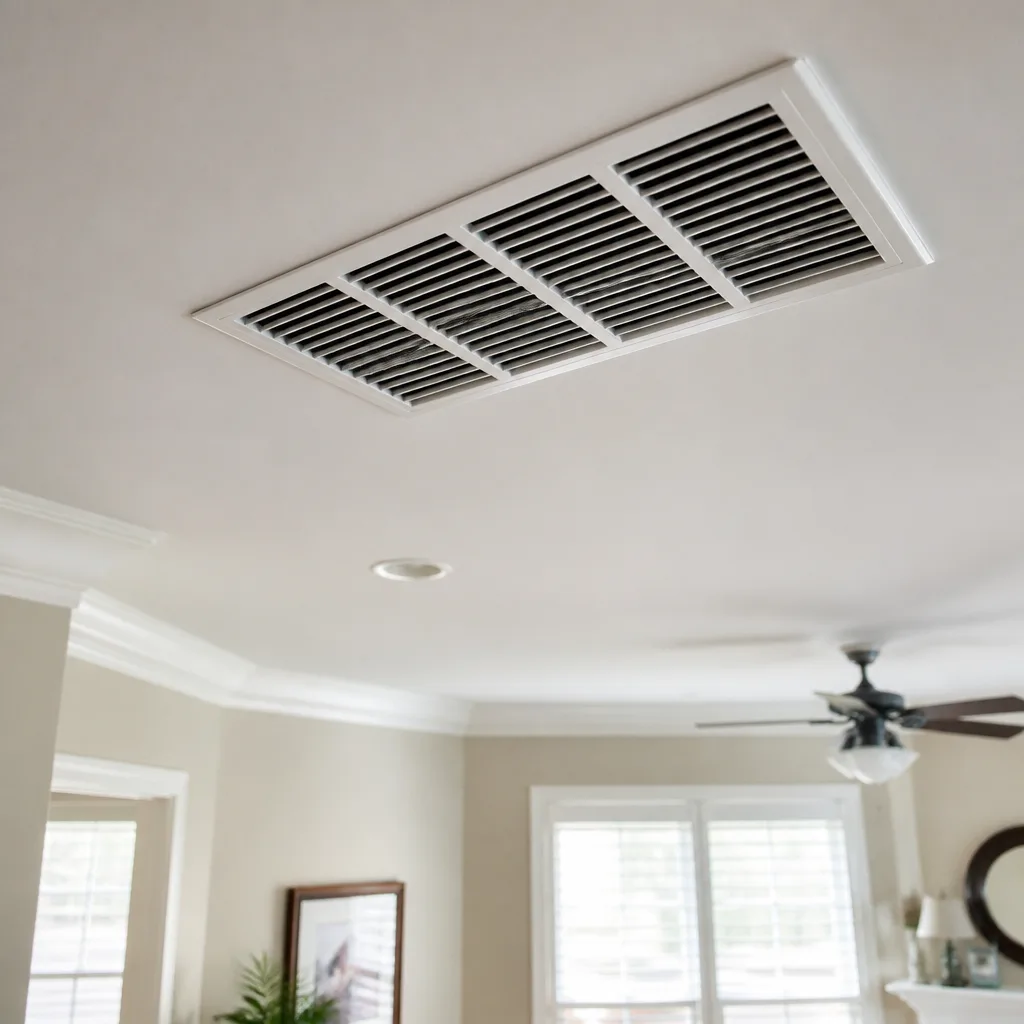
Every air duct cleaning in Round Rock we perform begins with a register inspection, and homeowners can replicate the core of this process without tools beyond a flashlight and phone camera. The goal is not to clean - that requires negative-pressure extraction equipment - but to document visible conditions that indicate whether contamination has advanced past the point where homeowner maintenance suffices.
Here’s the method we teach customers who want to monitor between professional visits:
- Remove the register grille. Most Round Rock homes built 2015-2025 use spring-clip or screw-mounted grilles. Note the fastener type; stripped screws in ceiling mounts are common in homes with textured ceilings.
- Photograph straight into the duct boot. The boot is the sheet-metal transition between the register opening and the flex or hard duct. You’re looking for three specific markers: dark accumulation on the boot walls, visible debris beyond the first elbow, and any flex duct sagging or compression.
- Check for moisture or discoloration. In Round Rock, where summer attic temperatures exceed 140°F and winter humidity spikes follow cold fronts, condensation at the boot connection is common. White or gray powdery deposits indicate prior moisture events.
- Document the date and room. Name the photo file with date and room - “2025-01-15_MasterBed_NE” - so you can compare year-over-year.
- Look for pest evidence. Rodent trails in flex duct leave distinct grease marks and compressed insulation. In Round Rock’s established neighborhoods like Old Town and Behrens Ranch, where mature tree canopy supports squirrel populations, this is more common than new construction areas.
What you’re documenting matters. A thin coating of dust on the boot walls is normal. A debris build-up of 3 millimeters or more - roughly the thickness of a credit card edge - indicates the main trunk line likely needs professional attention. If you can see past the first elbow and the flex duct interior is discolored or has visible accumulation, the contamination has advanced beyond register-level maintenance.
We deliver before-and-after photos of every duct run on every job, and the register photo a homeowner takes in January should look like our “before” photo if two years have passed since professional cleaning. If it looks worse, the timeline has accelerated.
Round Rock-Specific Contamination Triggers
Generic duct maintenance advice ignores geography. Round Rock has three contamination accelerators that shorten standard maintenance intervals for many homeowners.
Cedar season (December-February). Ashe juniper pollen is microscopic and oil-based, meaning it adheres to duct walls rather than passing through. Homes west of I-35, closer to the cedar breaks of the Hill Country, experience heavier loads. We’ve photographed cedar pollen accumulation 2 inches deep at plenum entries in January, particularly in homes with fresh air intake systems that lack adequate pre-filtration.
Construction dust from the 183A and toll corridor. Round Rock’s growth corridor along 183A, East Palm Valley, and the toll road extension generates silica-based particulate that infiltrates attic spaces through soffit vents and recessed light penetrations. This dust is abrasive and heavier than household dust, so it settles in low-velocity duct sections - the last 10 feet of long runs, typically the master bedroom or far guest room. Homeowners in Paloma Lake, Forest Creek, and other development-adjacent neighborhoods should inspect these terminal runs annually, not biennially.
Post-flood humidity events. Round Rock sits at the edge of Flash Flood Alley. When water enters a home, even marginally, humidity spikes in wall cavities and attic spaces. Flex duct with any existing organic loading - skin cells, pollen, pet dander - becomes a mold substrate within 48-72 hours of sustained 70% relative humidity. After any water intrusion event, even if the living space appears dry, the attic duct system needs inspection. We use moisture meters and borescope cameras to check flex duct interiors after flood events; visual inspection from the register is insufficient.
These three triggers mean a standard “every 3-5 years” duct cleaning interval may be inadequate for Round Rock homes. The correct interval is event-driven and inspection-driven, not calendar-driven.
Static Pressure: The Measurable Indicator Most Homeowners Miss
Static pressure is the resistance your HVAC system works against to move air. It’s measured in inches of water column (in. w.c.) with a manometer, and it’s the single most useful diagnostic for duct restriction - more precise than visual inspection, more immediate than air quality testing.
Normal total external static pressure for a residential system is 0.5 in. w.c. Most equipment ratings specify a maximum of 0.5; exceeding this means the blower motor works harder, airflow drops, and energy consumption rises. In Round Rock, where cooling dominates utility bills six months annually, elevated static pressure has direct cost consequences.
Here’s what static pressure readings indicate about duct condition:
- 0.3-0.5 in. w.c.: Normal range. Duct system is reasonably clean and unobstructed.
- 0.5-0.7 in. w.c.: Elevated. Likely causes: dirty filter, partially closed dampers, or moderate duct accumulation. Check filter first; if new filter doesn’t reduce reading, duct inspection warranted.
- 0.7-0.9 in. w.c.: Significant restriction. Duct contamination advanced, possible flex duct collapse or disconnected runs. Professional cleaning and inspection needed.
- Above 0.9 in. w.c.: Critical. Equipment stress, potential coil freeze-up in cooling mode, safety shut-down risk. Immediate professional attention.
Homeowners can purchase a digital manometer for $80-$150 and learn to measure static pressure at the filter slot and blower compartment. The measurement points are standardized; any HVAC technician can show you the test ports on your specific unit. We measure static pressure on every HVAC cleaning in Round Rock and include the reading in the written job record.
A static pressure increase of 0.1 in. w.c. year-over-year indicates accumulating restriction even if registers look clean. The contamination is likely in the trunk line or plenum, invisible from room-level inspection.
Filter MERV Schedules vs. Duct Interior Schedules
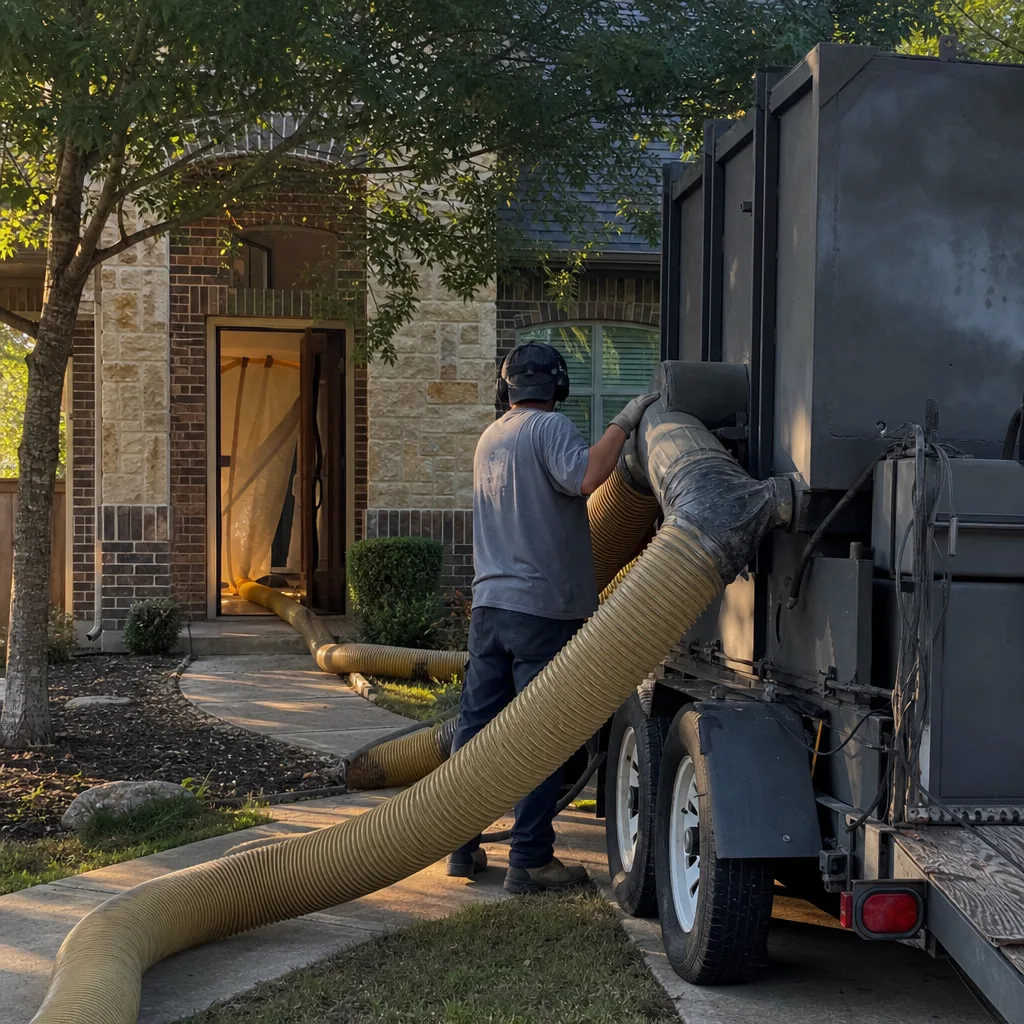
This distinction is where most maintenance checklists fail. Filter replacement and duct interior cleaning are related but independent maintenance streams with different triggers, different intervals, and different indicators.
Filter maintenance is a MERV-rated schedule. MERV (Minimum Efficiency Reporting Value) indicates particle capture size. MERV 8 captures pollen and dust mites; MERV 11 captures pet dander and auto emissions; MERV 13 captures bacteria and smoke particles. Higher MERV means finer filtration but also faster loading and more frequent replacement. In Round Rock, during cedar season, a MERV 11 filter may load in 3 weeks rather than the standard 90-day interval.
The filter schedule depends on: MERV rating, household occupancy, pet presence, local pollen load, and system runtime hours. It’s a consumption item, like oil in a car.
Duct interior maintenance is a contamination-driven schedule. The duct walls themselves accumulate material that bypasses or embeds in filters: skin cells, cooking oils, candle soot, construction dust, and microbial growth. This accumulation occurs regardless of filter diligence. We’ve cleaned ducts in Round Rock homes with religious 30-day filter changes where the trunk line still held 15 years of embedded debris.
The filter protects the equipment and reduces particle circulation. It does not clean the duct walls. A maintenance checklist that conflates these two schedules - “change your filter regularly and you’ll never need duct cleaning” - is incorrect and potentially costly. We’ve replaced heat exchangers cracked by restricted airflow in homes with pristine filters and filthy ducts.
Practical separation: mark filter changes on a calendar with the MERV rating and replacement date. Mark duct inspections separately, with photo documentation, static pressure readings, and professional camera assessment dates. One schedule does not substitute for the other.
12-Month Maintenance Calendar: Owner vs. Contractor Tasks
This calendar assigns every task to either the homeowner or a qualified contractor. Tasks requiring negative-pressure extraction equipment, borescope cameras, or manometer testing are contractor tasks. Tasks requiring observation and documentation are owner tasks.
| Month | Owner Task | Contractor Task |
|---|---|---|
| January | Register photo documentation, all rooms; note cedar pollen accumulation | - |
| February | Filter change (MERV rating noted); inspect filter loading vs. prior year | - |
| March | - | Static pressure test if reading history shows elevation; professional camera inspection if register photos show advancement |
| April | Register photo documentation, focus on terminal runs (master bedroom, far guest room) | - |
| May | Filter change; pre-summer HVAC system visual inspection | - |
| June | - | Full system inspection before peak cooling load; static pressure verification |
| July | Monitor cooling performance; note rooms with temperature differential >3°F from thermostat | - |
| August | Filter change; inspect condensate drain line (visible portion) | - |
| September | Register photo documentation; compare to January baseline | - |
| October | - | Post-summer static pressure test; duct camera inspection if cooling season showed performance decline |
| November | Filter change; winter prep visual inspection | - |
| December | Register photo documentation; document any water intrusion events for contractor follow-up | - |
Contractor tasks in this calendar assume a baseline of professional duct cleaning within the prior 2-3 years. If no professional cleaning has occurred, or if Round Rock-specific triggers (cedar season, construction dust, flood event) have intervened, contractor tasks should be accelerated.
Every CleanRun Air Duct Cleaning Round Rock home visit includes a written scope of work with pricing before any equipment is activated, per Haven Standard Clause 1. The calendar above lets homeowners know when to request that scope.
What Professional-Grade Equipment Actually Does
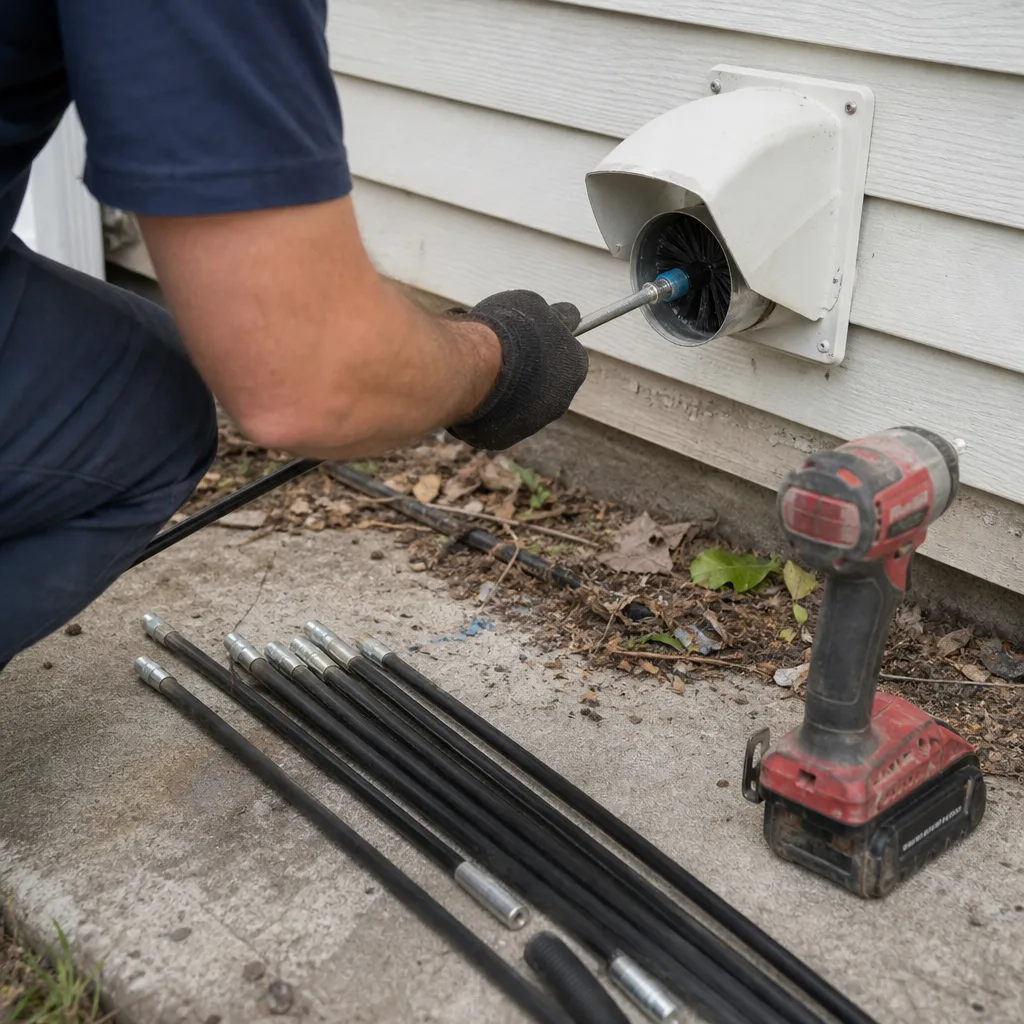
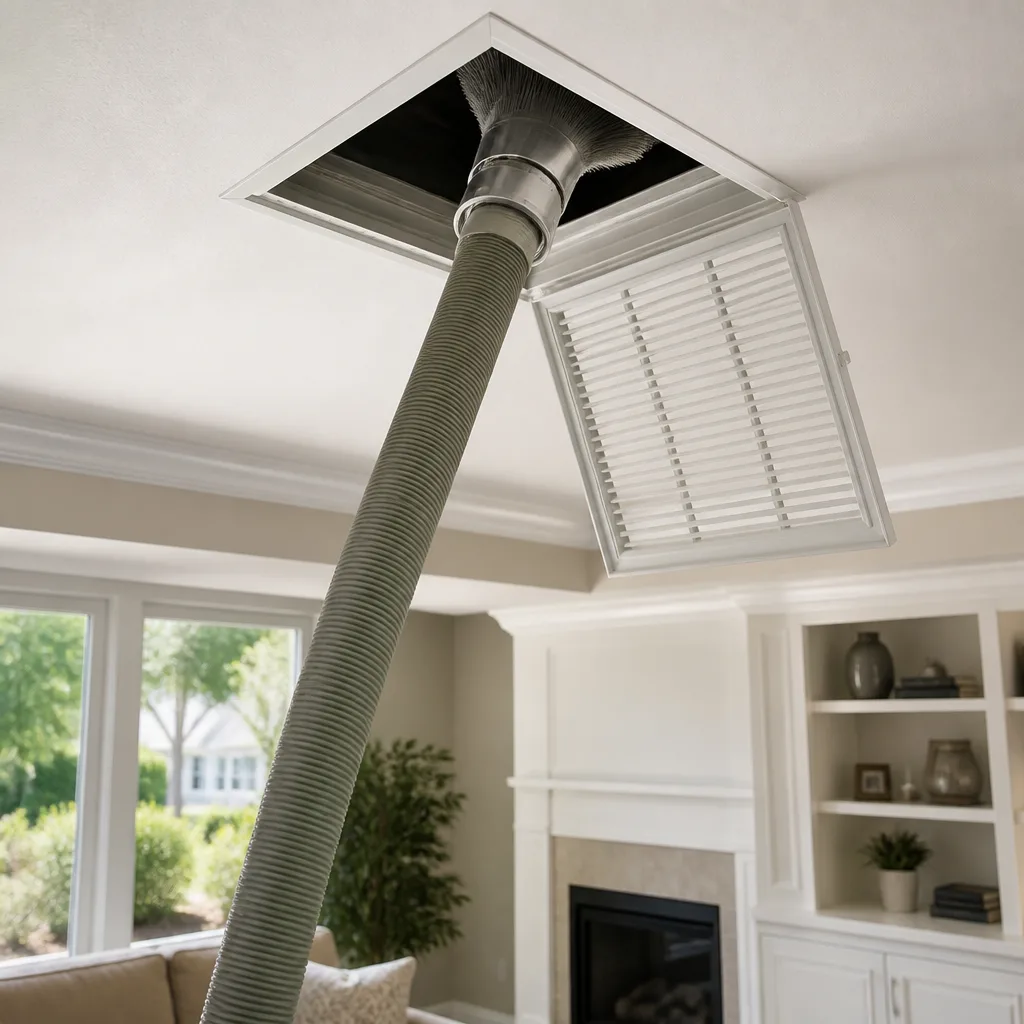
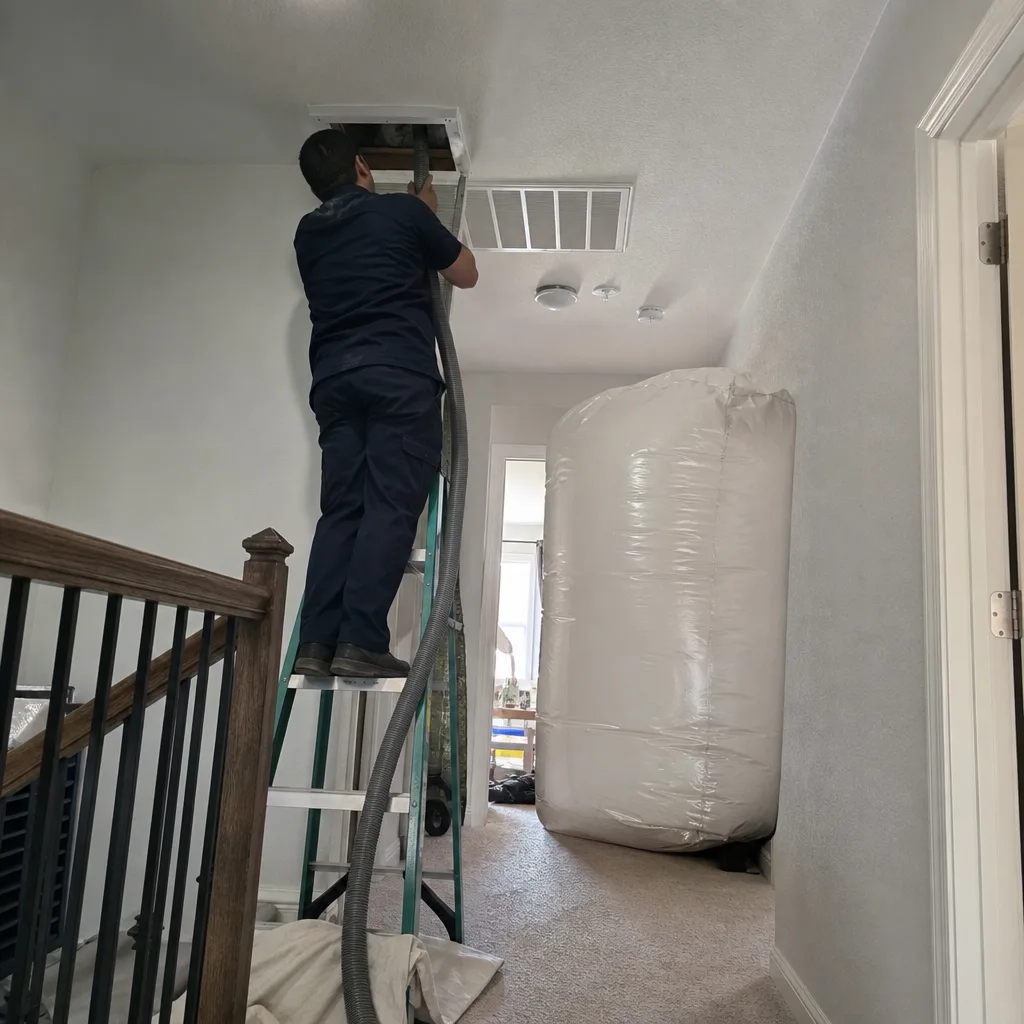
Homeowner maintenance has limits. Register inspection and filter changes address visible, accessible components. The duct interior - particularly the trunk line, plenum, and flex duct runs - requires equipment that generates sufficient negative pressure to dislodge embedded debris and sufficient agitation to break surface-bound contamination loose.
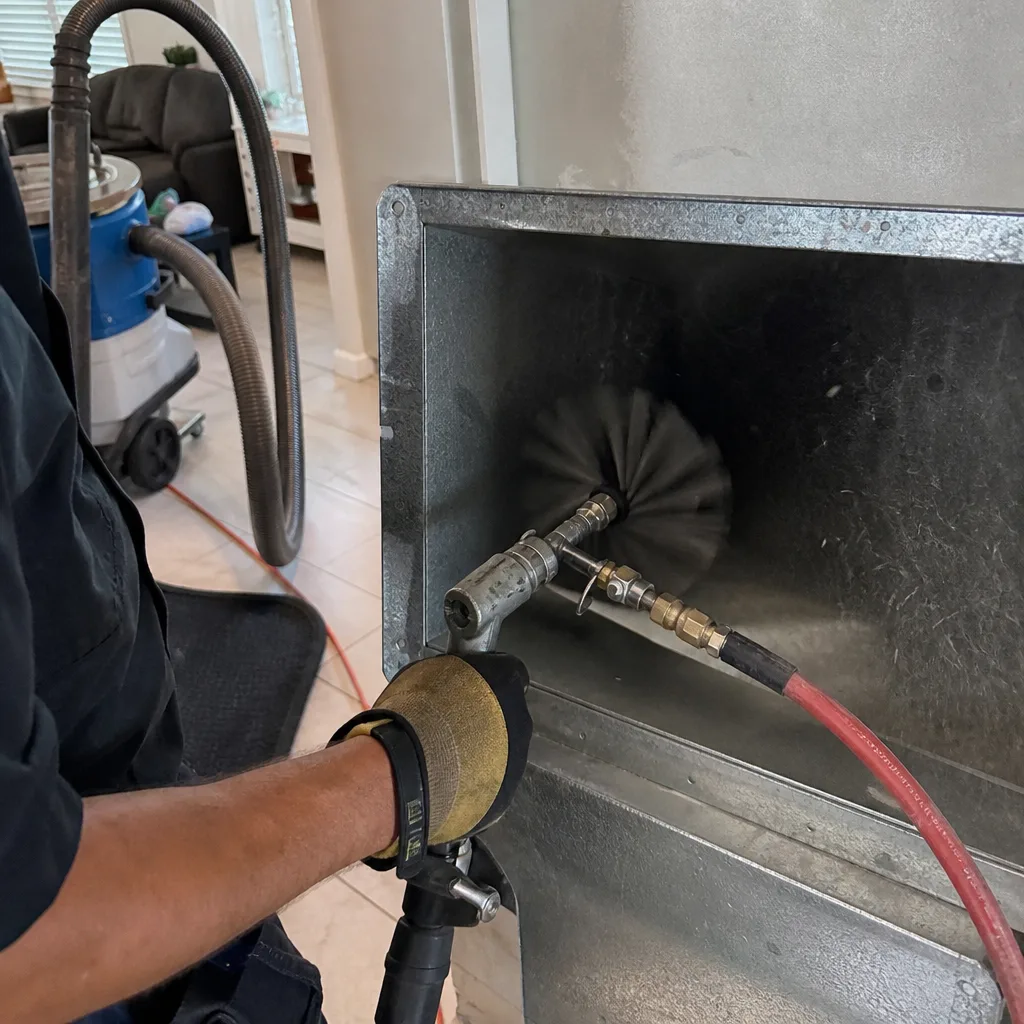
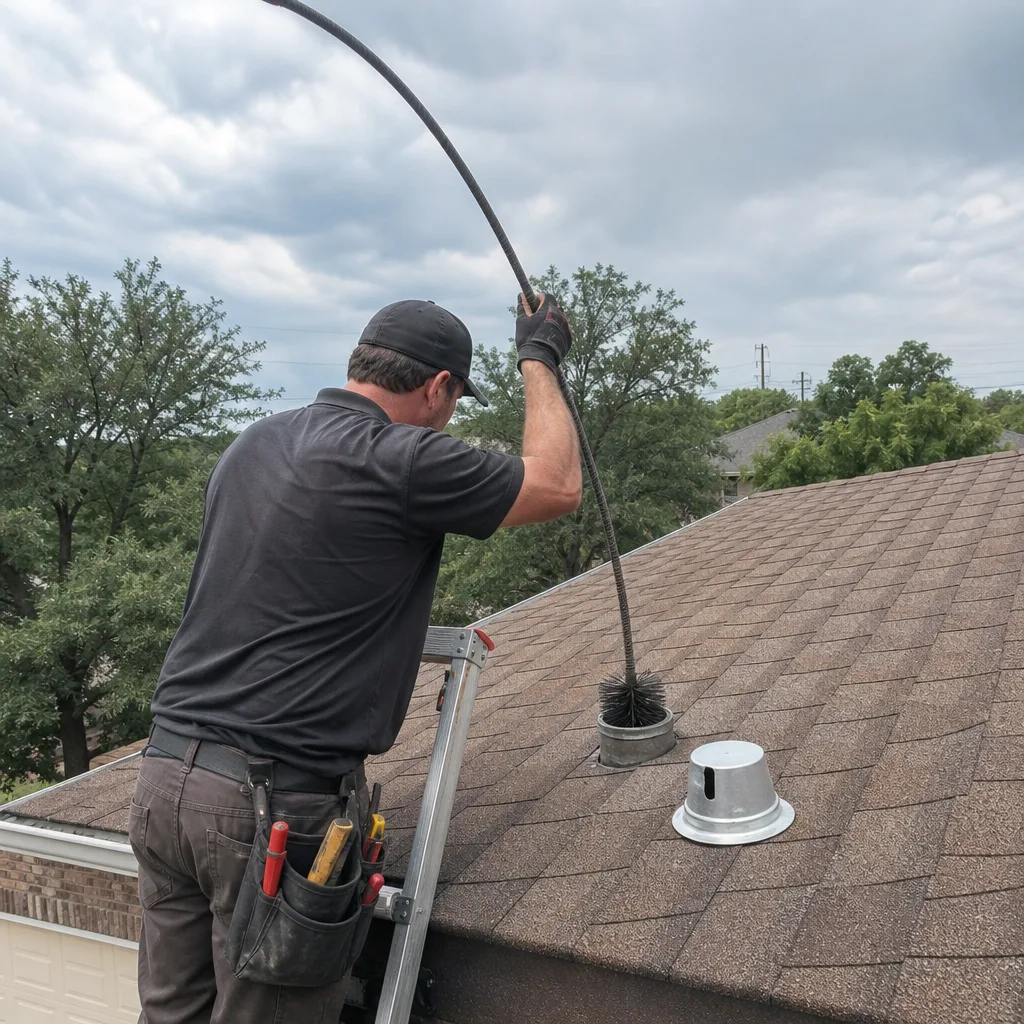
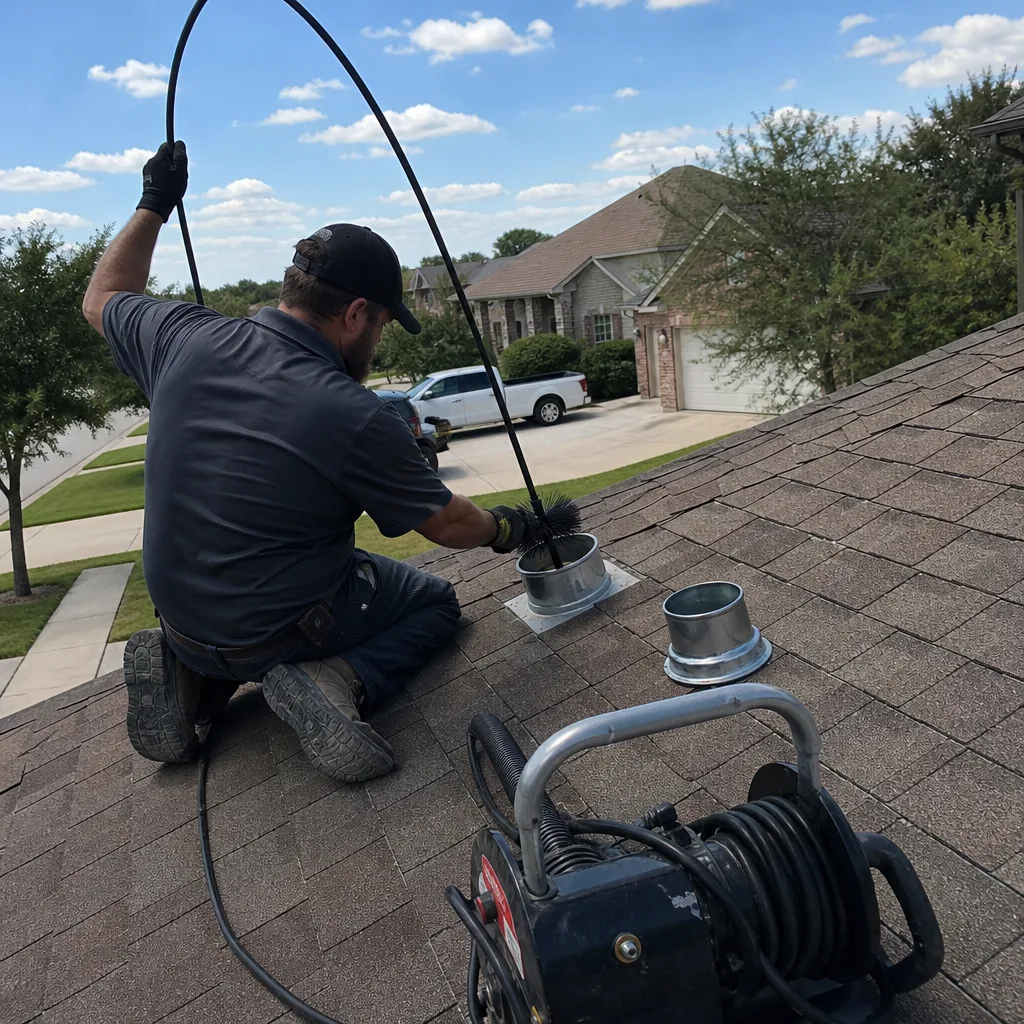
We use Rotobrush systems for select residential applications where duct configuration permits brush contact with all surfaces. The rotating brush loosens material; simultaneous vacuum extraction removes it before it resettles. For larger systems and commercial applications, Nikro and Abatement Technologies negative-pressure machines provide higher CFM (cubic feet per minute) extraction capacity. The equipment selection depends on duct material, configuration, and contamination type - hard duct with welded seams tolerates brush agitation that flex duct does not.
Guardsman antimicrobial treatments are applied only after mechanical cleaning, and only where moisture history or customer health considerations warrant it. We do not apply chemical treatments to dirty ducts; that encapsulates rather than removes contamination.
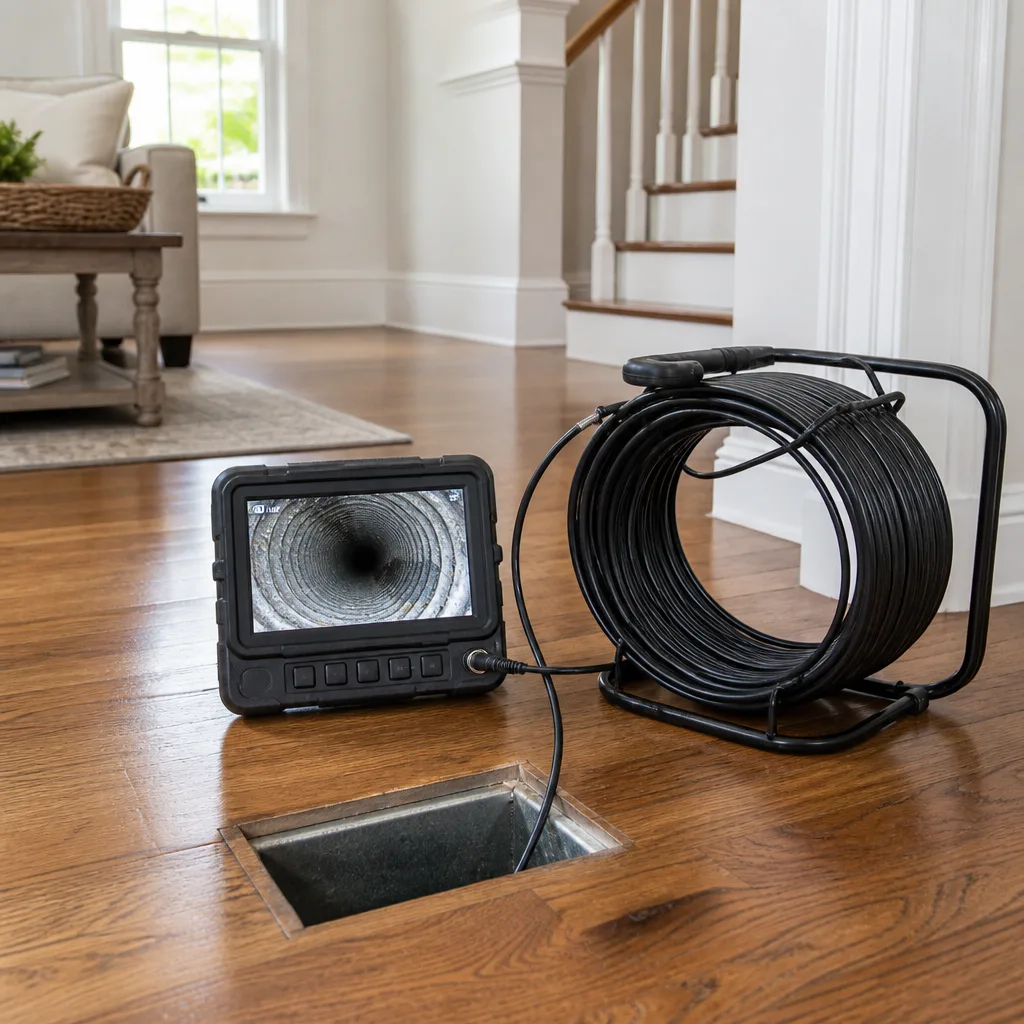
The critical specification for any equipment is not brand name but documented performance: CFM at the hose end, HEPA filtration efficiency (99.97% at 0.3 microns minimum), and before-and-after verification method. We photograph every duct run with a borescope camera before equipment activation and after completion. The photo record is delivered as a standard job deliverable, not an upsell.
Homeowners evaluating contractors should ask three equipment questions: What CFM does your vacuum generate at the duct entry? What filtration standard does it meet? How do you verify results? Answers should be specific and documented, not “commercial-grade” or “heavy-duty.”
What Documentation You Should Receive and Keep
A maintenance checklist is only as good as the records it generates. We structure every job deliverable as a documented record that serves the homeowner for future maintenance decisions and warranty claims.
The written scope and price. Haven Standard Clause 1 requires a written price before work begins, every job, no exceptions. This document specifies: number of duct runs to be cleaned, access points, equipment to be used, and total price. It is signed by the homeowner and technician before work starts. Keep this with your home maintenance records; it establishes the baseline for future service intervals.
The photo record. Every duct run, before and after, photographed with a borescope camera and delivered digitally. In Round Rock, where home resale activity is high, this documentation transfers to buyers as evidence of system condition. We’ve had customers use five-year-old photo records to dispute home inspection findings; the dated, geotagged images proved the duct system had been professionally maintained.
The static pressure reading. Recorded pre-cleaning and post-cleaning, with equipment model and test port locations noted. A meaningful static pressure reduction - typically 0.1-0.3 in. w.c. - confirms mechanical improvement, not just visual cleaning.
The 365-Day Done Right Promise. Written on every invoice, not stated in marketing copy. If the work is not right, we make it right. The promise is backed by the documented record; we can return to the specific duct run and compare current condition to the post-cleaning photo.
Homeowners should maintain a single file - digital or physical - with all duct maintenance documentation: their own register photos, filter change dates with MERV ratings, professional service records with photo deliverables, and static pressure history. This file becomes the evidence base for maintenance decisions and, if needed, equipment warranty claims or home sale negotiations.
Common Mistakes to Avoid
- Using the filter change date as the duct cleaning date. These are independent schedules. A January filter change does not mean January duct inspection; the latter requires separate documentation and different indicators.
- Ignoring terminal runs in new construction-adjacent neighborhoods. Homes near active development in Round Rock - along 1431, East Palm Valley, or the toll corridor - experience heavier construction dust loading in the last duct runs, not the first. Inspect the master bedroom and far guest room registers first.
- Skipping post-flood inspection because the living space dried. Attic humidity persists 48-72 hours longer than living space humidity. Flex duct with any organic loading becomes a mold substrate in that window. Professional camera inspection is warranted after any water intrusion.
- Accepting “call for a quote” as a pricing method. The price should be written and agreed before work begins. Verbal estimates that change after inspection are a known pattern in this industry. Haven Standard Clause 1 exists specifically to prevent this.
- Confusing register cleaning with duct cleaning. Removing and washing register grilles improves appearance but does not address the duct boot, flex duct, or trunk line. Grime on the grille often means accumulation deeper in the system.
- Neglecting static pressure history. A single static pressure reading is less useful than a three-year trend. Rising pressure with consistent filter maintenance indicates duct-side restriction, not filter loading.
- Assuming “newer home” means “clean ducts.” Round Rock’s 2015-2025 construction boom produced homes with flex duct installed before final construction cleanup. We’ve photographed sawdust, drywall fragments, and beverage containers in duct systems of homes less than two years old.
When to Call a Professional
Call a qualified contractor when: static pressure exceeds 0.5 in. w.c. with a clean filter; register photos show debris build-up beyond 3mm or discoloration past the first elbow; any room maintains a temperature differential greater than 3°F from the thermostat setpoint; you’ve experienced water intrusion, even minor; or it’s been more than 3 years since professional camera documentation of every duct run.
CleanRun Air Duct Cleaning Round Rock offers free estimates in Round Rock. Explore more guides & resources on maintaining your home’s air quality. Every estimate includes a written price before work begins, every job is backed by the 365-Day Done Right Promise, and every visit produces a Documented Photo Record of every duct run. Call (737) 259-5752 to schedule.
Frequently Asked Questions
Whole-system air duct cleaning in Round Rock typically ranges from $450 to $850 for a standard 2,000-3,500 square foot home, depending on duct configuration, number of runs, and contamination level. CleanRun provides a written price before any work begins, with no per-vent add-ons or post-inspection price changes. Call (737) 259-5752 for a specific estimate - estimates are free and include a written scope.
Low quotes typically reflect limited scope: register vacuuming only, not full duct run cleaning; shop-vac equipment without negative-pressure containment; or bait-and-switch pricing where the initial quote excludes “additional vents” or “heavy contamination” surcharges. A legitimate whole-system cleaning requires HEPA-filtered negative-pressure extraction, borescope verification, and 2-4 hours of technician time. Quotes below $300 for a full system should be scrutinized for scope limitations.
Demand a photo record. CleanRun photographs the interior of every duct run before and after, with date stamps, and delivers these as a standard job record. Without photographic evidence, you’re trusting a verbal claim. The photo record is your verification; keep it with your home maintenance files.
Every 2-3 years for baseline maintenance, but event-driven acceleration is common in Round Rock. Cedar season, nearby construction, water intrusion, or home renovation should trigger inspection regardless of calendar interval. The correct frequency is determined by register photo documentation and static pressure trends, not a fixed schedule.
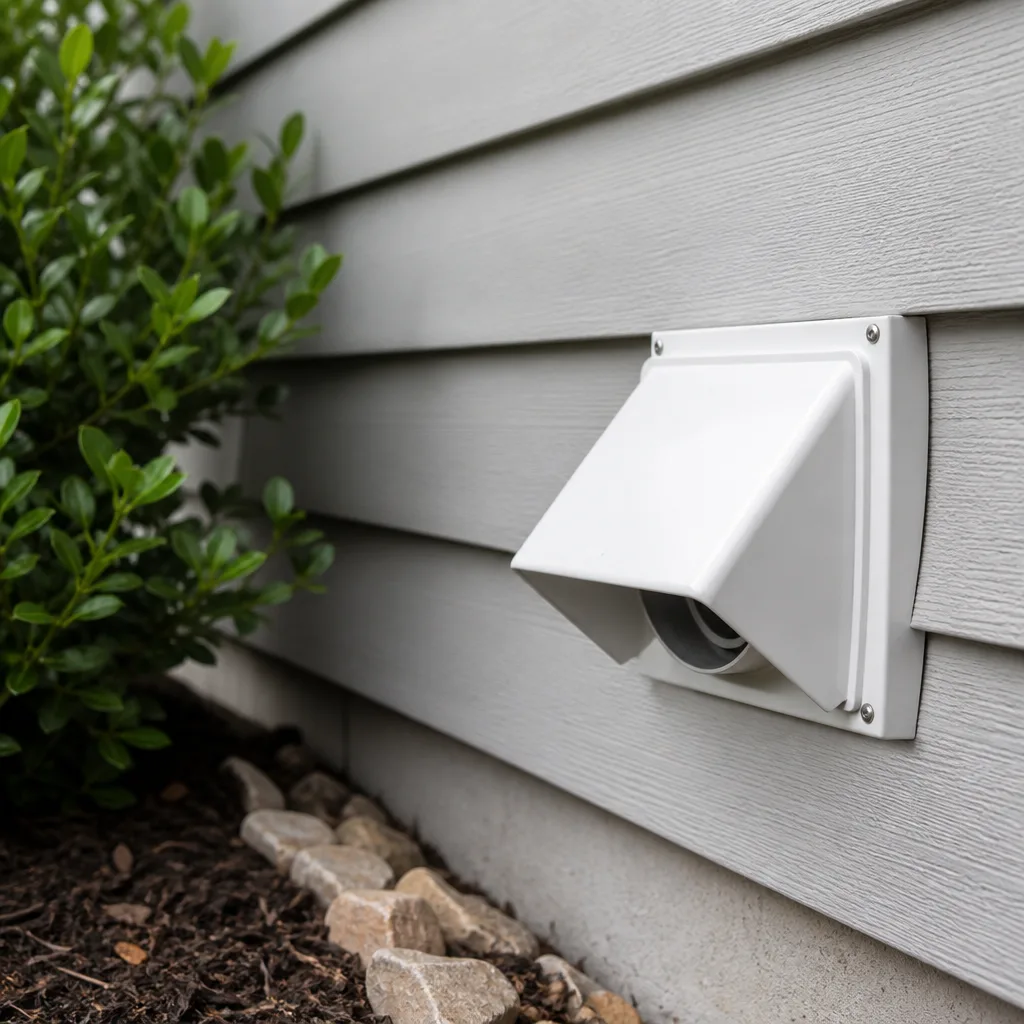
Air duct cleaning addresses the distribution system: trunk lines, branch ducts, boots, and registers. HVAC cleaning in Round Rock addresses the equipment: evaporator coil, blower assembly, condensate pan, and heat exchanger. They are distinct services with distinct scopes, though both affect system performance and air quality. Some contractors bundle them; CleanRun specifies each separately in writing so homeowners know exactly what they’re purchasing.
Register grilles and visible boot surfaces, yes - with a damp cloth and household cleaner. The duct interior beyond the boot, no. Negative-pressure extraction requires equipment that generates 2,000+ CFM with HEPA filtration, and flex duct damage from improper agitation is a common DIY outcome. We document DIY-damaged ducts regularly in Round Rock attics. For safety and system integrity, the duct interior is a contractor task.
The Bottom Line
A useful air duct maintenance checklist distinguishes between what you can observe and what requires professional documentation. In Round Rock, that means monthly register photos with dated file names, quarterly filter changes matched to MERV rating and local pollen load, annual static pressure tracking, and professional borescope documentation every 2-3 years - accelerated by cedar season, construction dust, or any water intrusion event. The filter schedule and duct interior schedule are independent. Documentation - photos, pressure readings, written scopes - is the evidence base for every maintenance decision. CleanRun has produced documented photo records on every job since 2013; the practice is not marketing language but standard deliverable.
Written by Tomas Reyes, Owner at CleanRun Air Duct Cleaning Round Rock, serving Round Rock since 2013.