
Last updated September 23, 2026
Whole-system duct and dryer vent check with before-and-after photos - you see exactly what came out of your vents
That "$99 whole-house special" is a bait ad - the real number appears once they are in your hallway, or the "clean" is a shop-vac at the register. We photograph the inside of your ducts before and after instead.
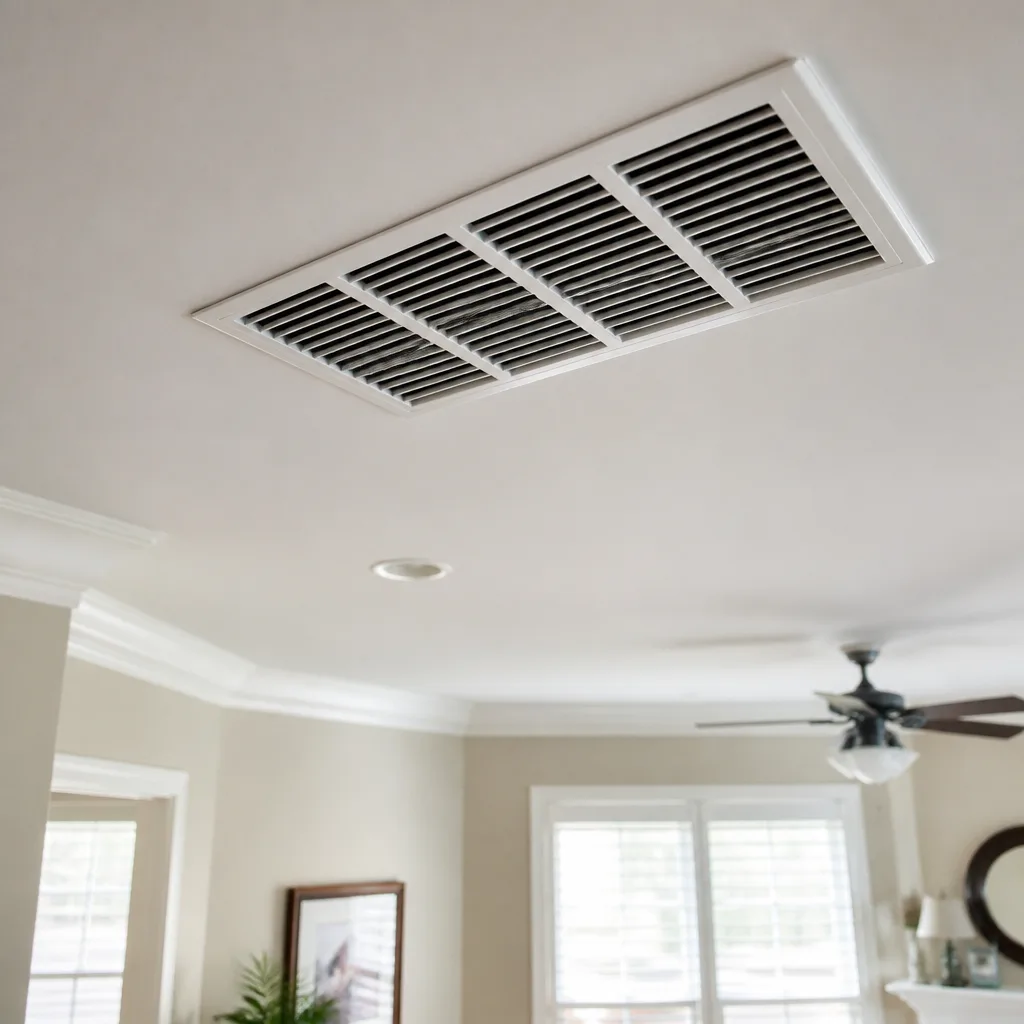
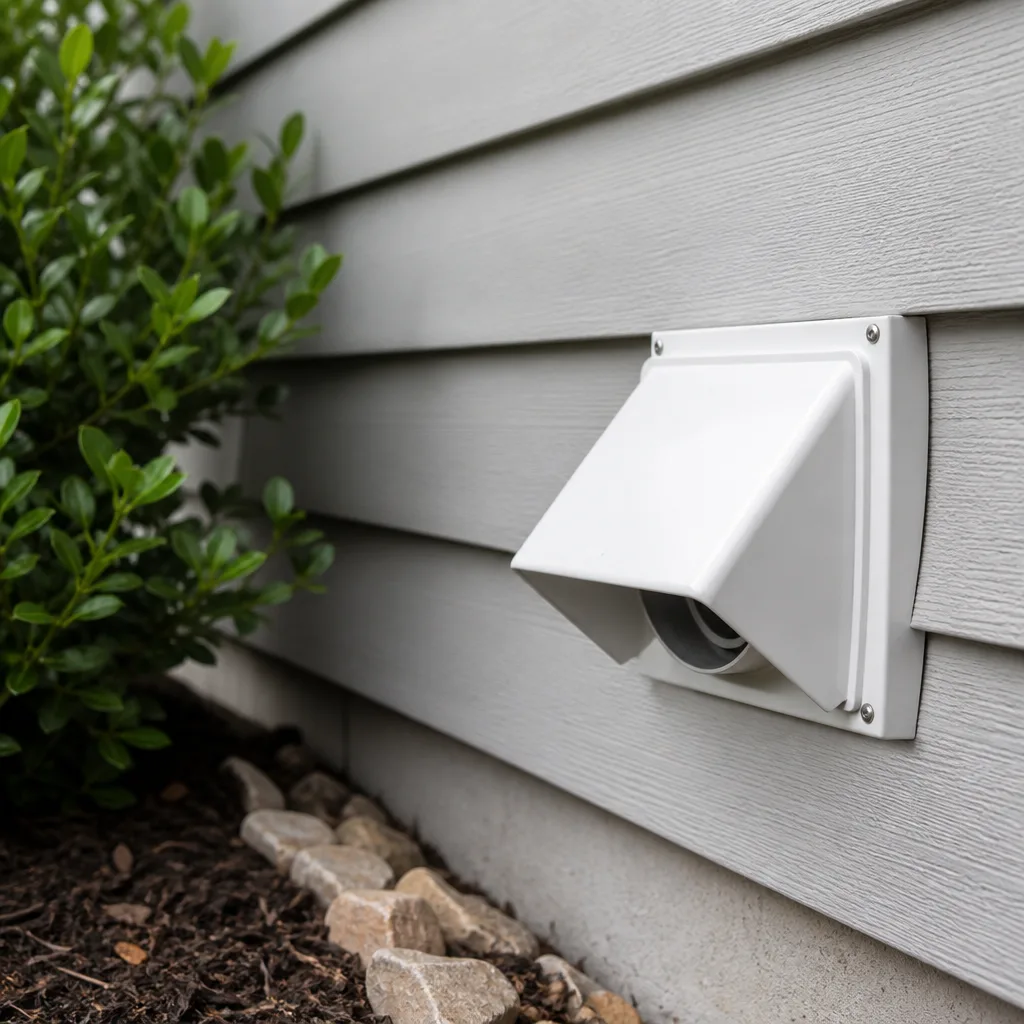
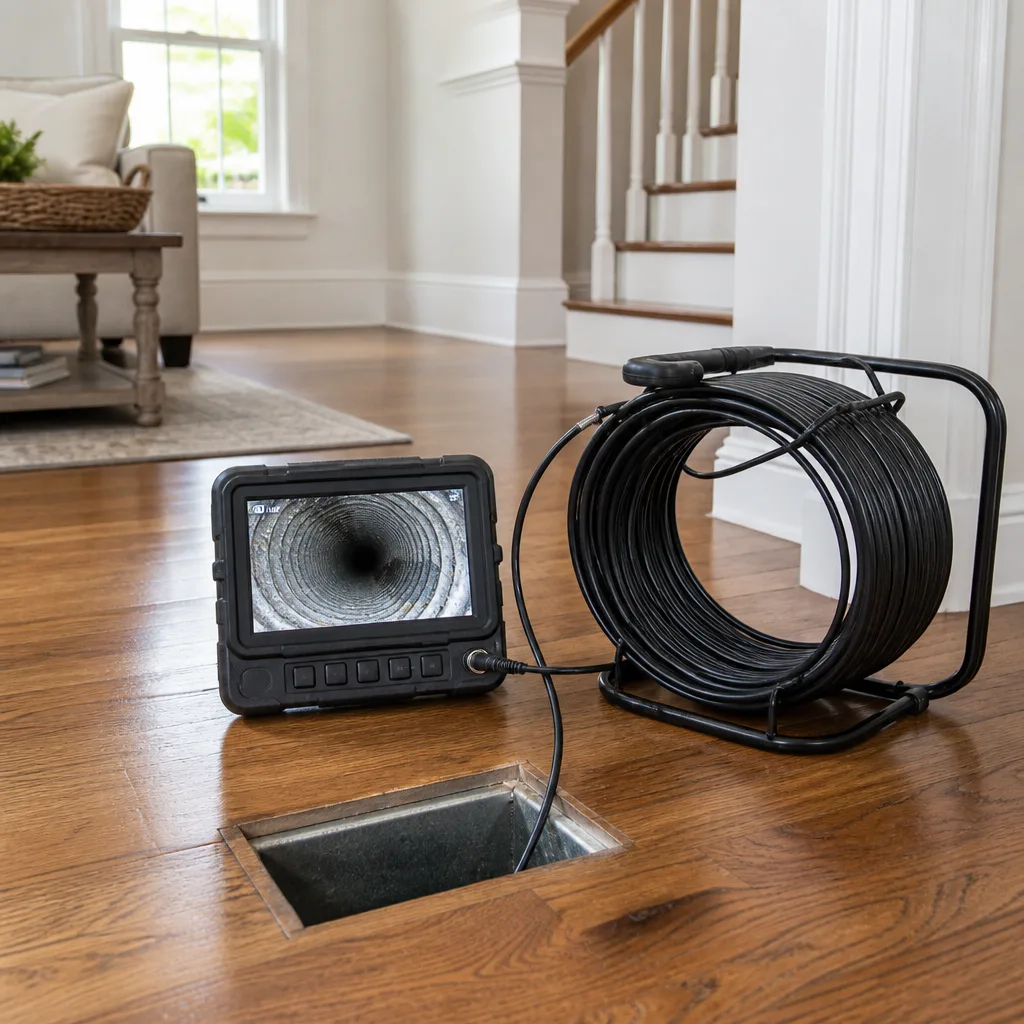
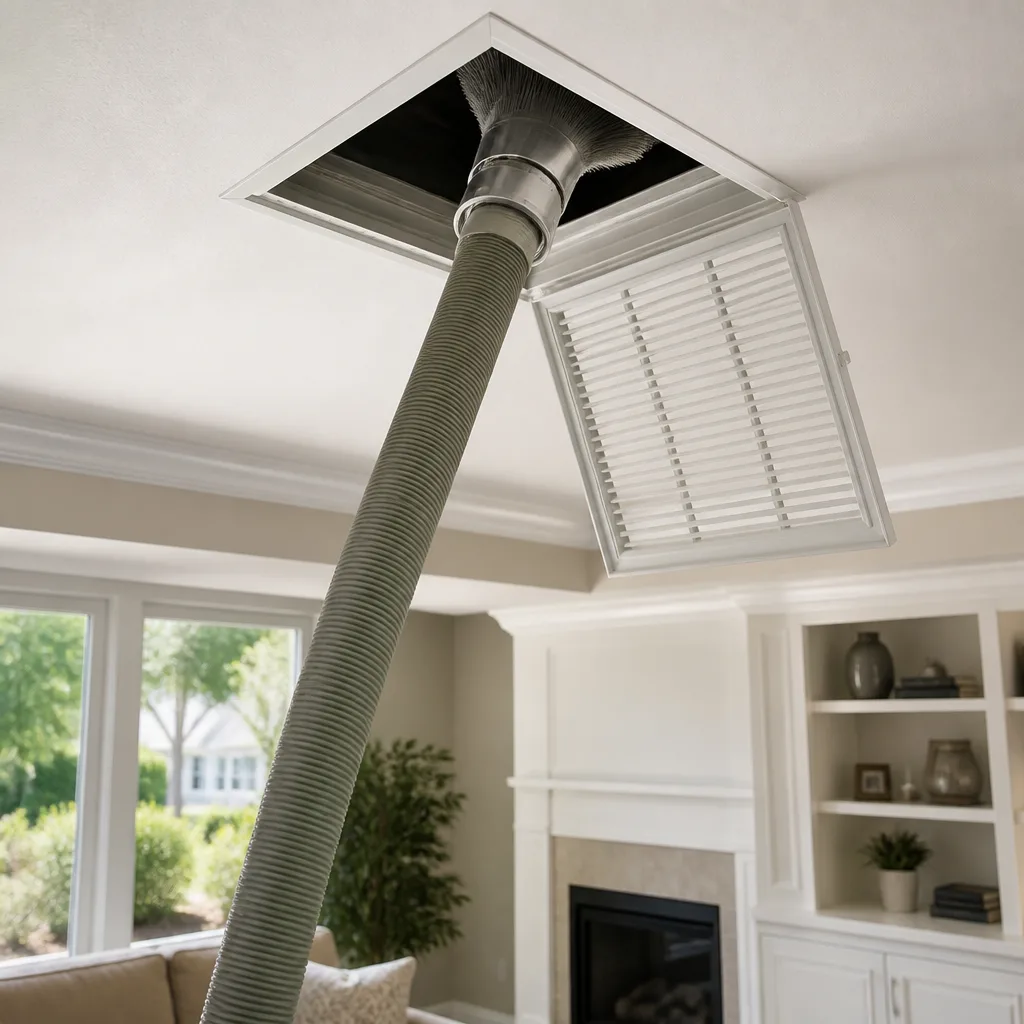
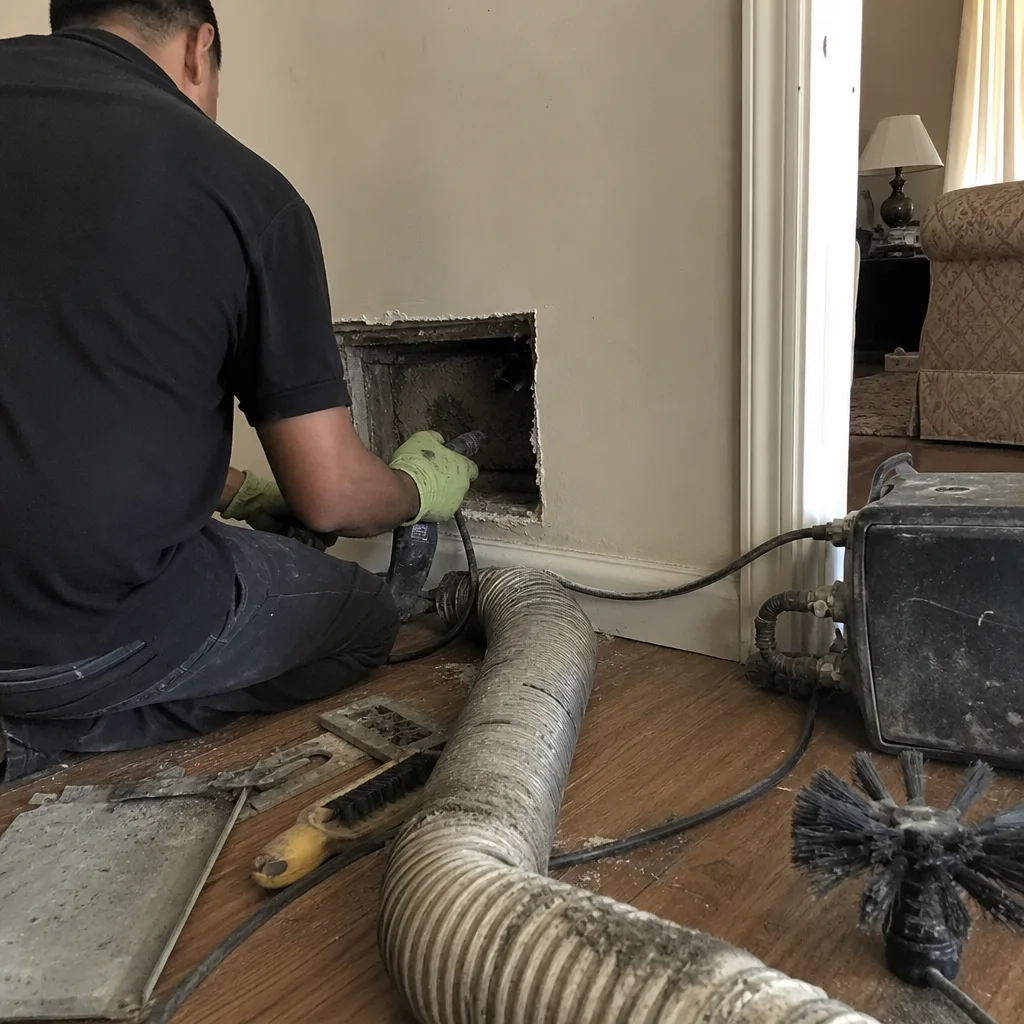 Before
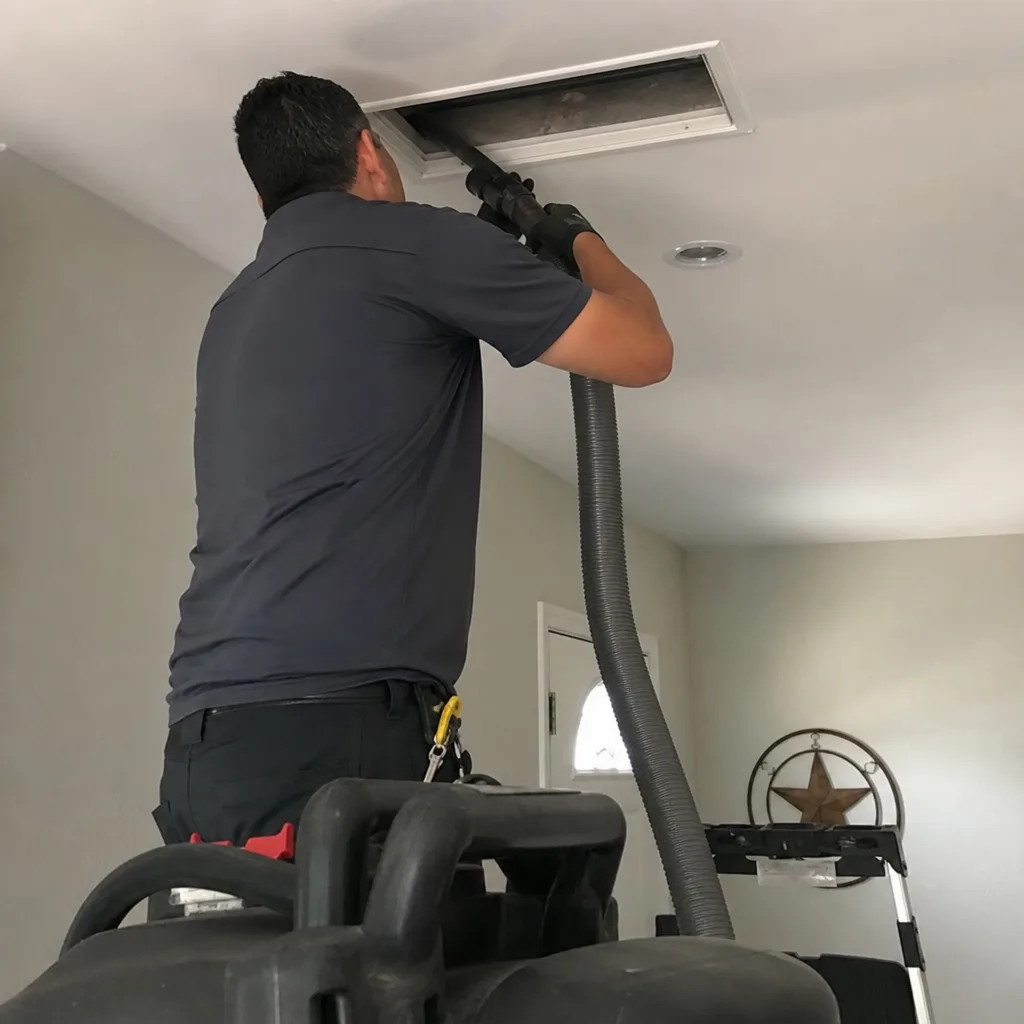 After
After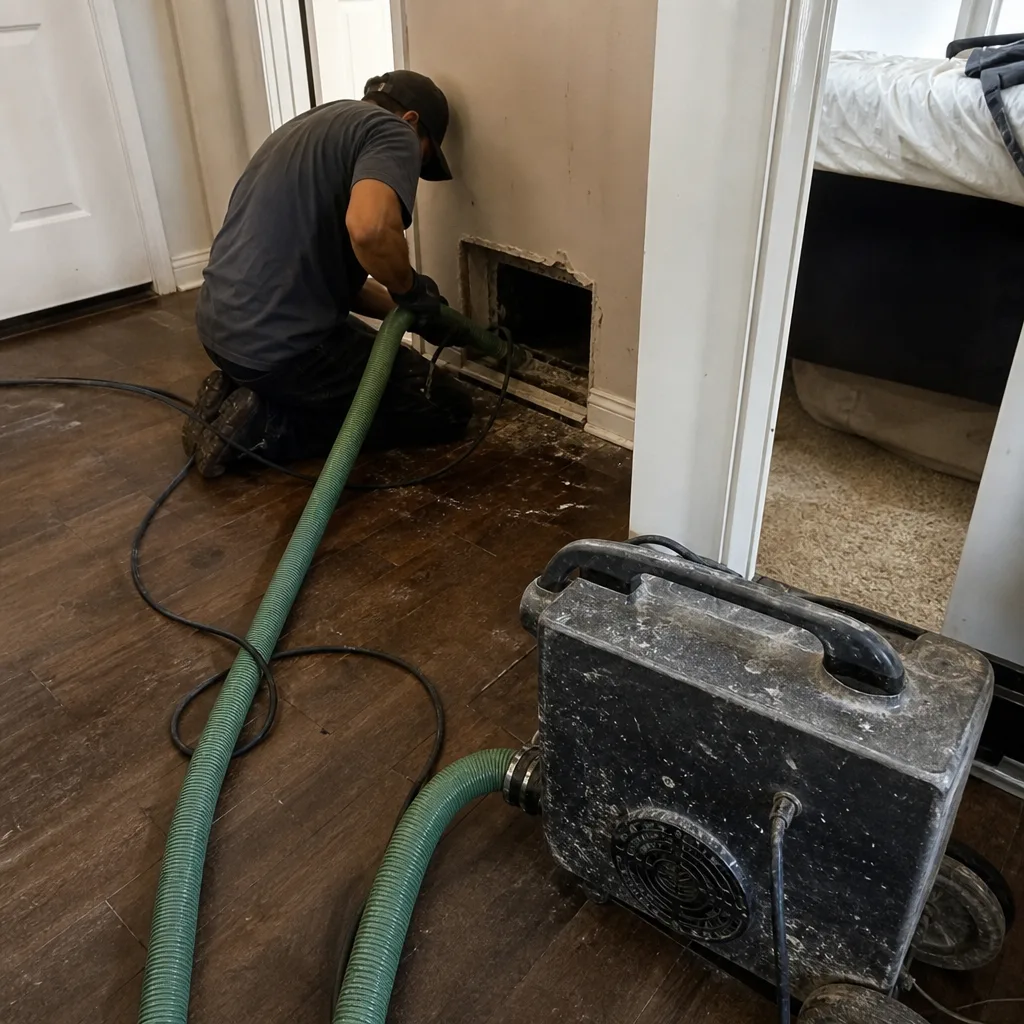 Before
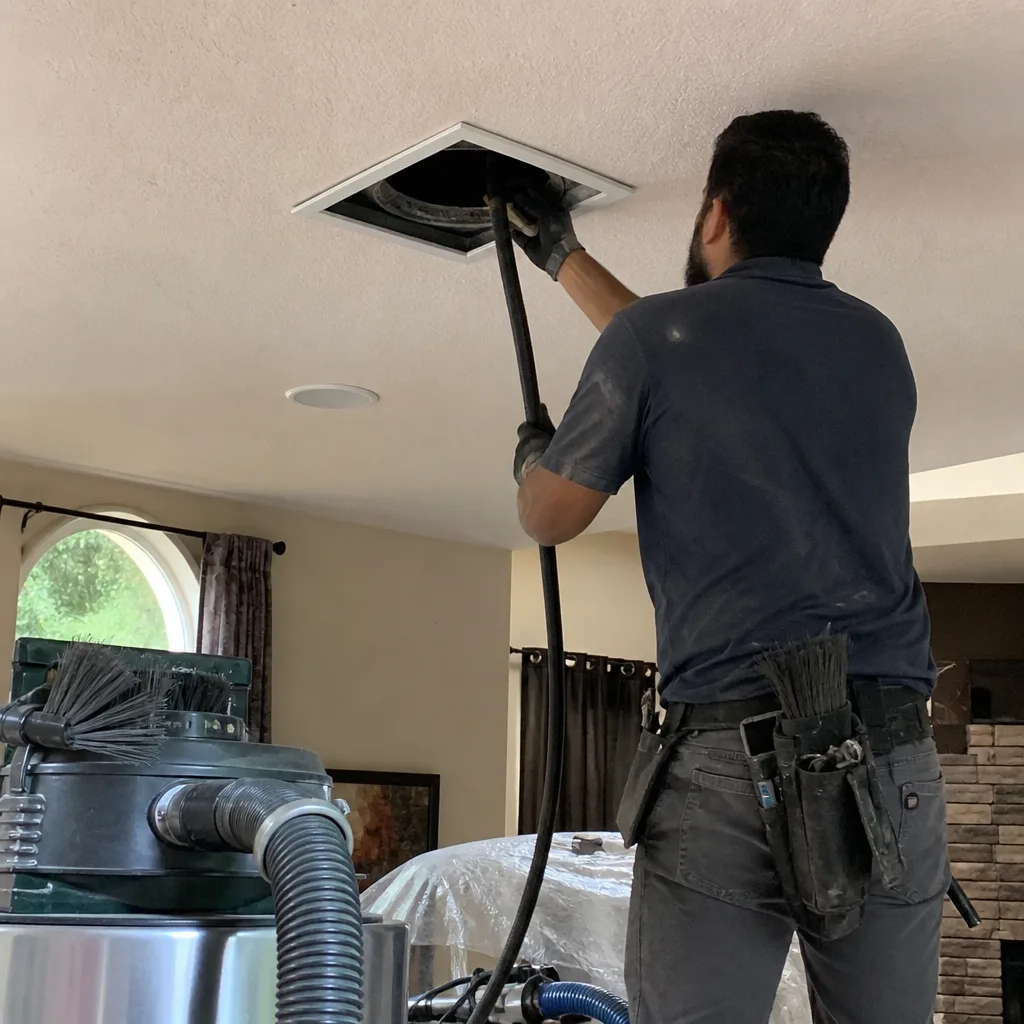 After
After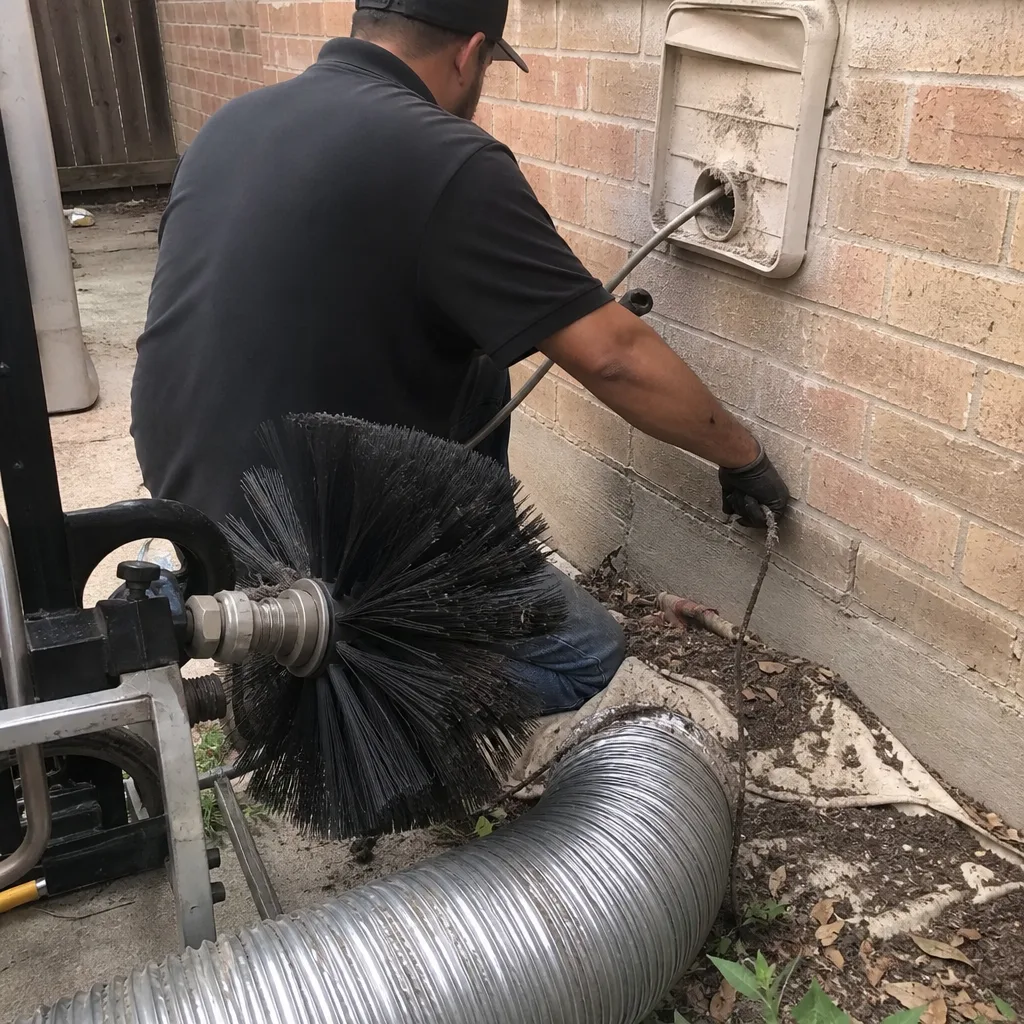 Before
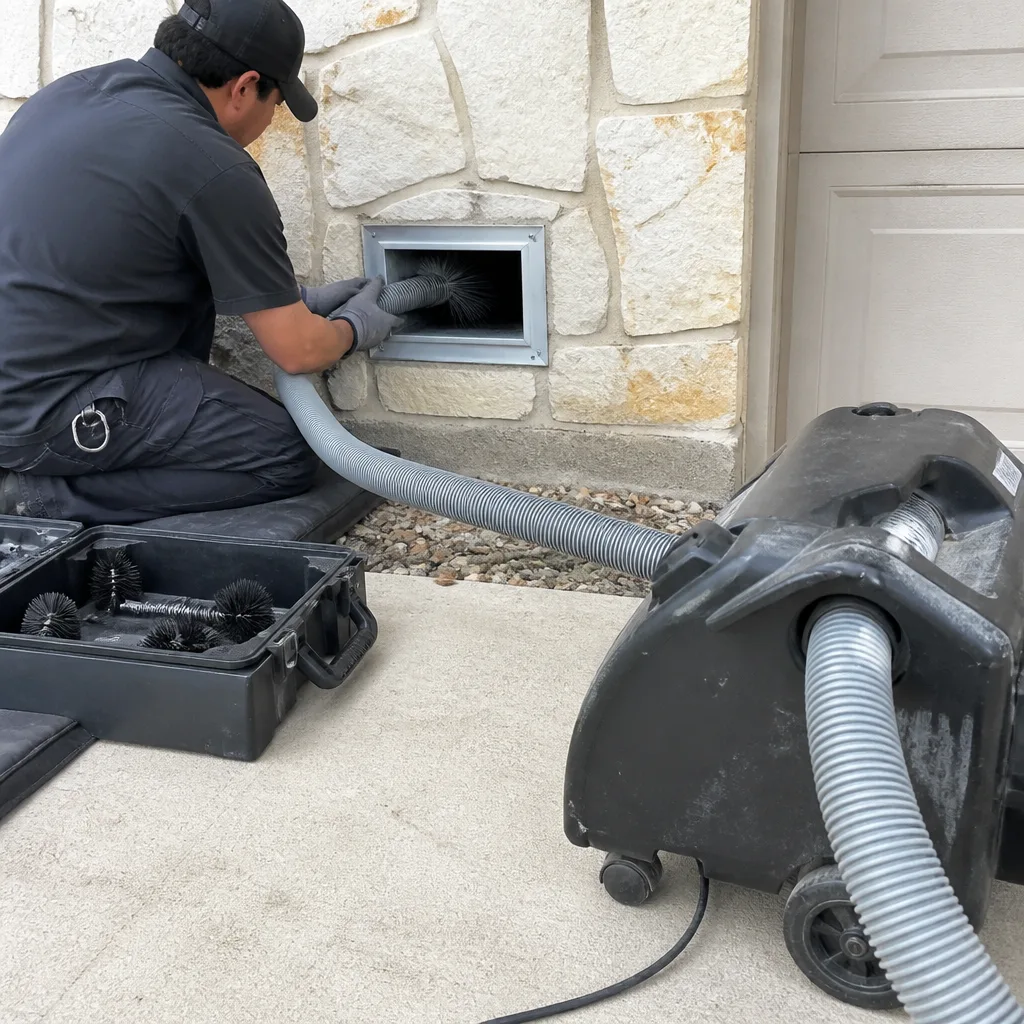 After
AfterThe Complete Guide to Air Duct Cleaning in Round Rock
A shop vac makes the same noise as a $2,000 negative-pressure extraction system. Without a camera inside the ductwork, you cannot tell which one was used on your home. In Round Rock, where clay-heavy soil and cedar pollen season push contaminants deep into HVAC systems, this distinction matters more than most homeowners realize. This guide explains what legitimate air duct cleaning actually produces - not a receipt, but a documented photographic record of every duct run, a written scope agreed before work starts, and equipment you can verify independently. You’ll learn how to read a before/after photo, what NADCA-standard source removal requires, and how to spot the difference between real work and a truck that made noise and left.
Quick Answer
Professional Air Duct Cleaning services in Round Rock remove built-up debris from your entire HVAC duct system using negative-pressure extraction and rotary brush agitation, producing a documented photo record of every duct run before and after. A legitimate job for a typical single-family home in Round Rock’s market runs $400-$900 depending on system size and accessibility, with the full scope and written price agreed before any work begins. The finished deliverable should include dated photos from inside the ducts, not just a verbal assurance that “they look better now.”
Table of Contents
- What NADCA-Standard Source Removal Actually Requires
- What Round Rock’s Climate Deposits Inside Your Ducts
- How to Read a Before/After Duct Photo
- What a Written Scope of Work Should Contain
- The 365-Day Accountability Standard
- Equipment Names You Can Verify Yourself
- What Air Duct Cleaning Costs in Round Rock
- How to Choose a Contractor in Round Rock
BeforeAfterWhat NADCA-Standard Source Removal Actually Requires
The National Air Duct Cleaners Association (NADCA) defines source removal as the mechanical cleaning of HVAC system components to remove contaminants and debris. This sounds straightforward until you see what passes for “duct cleaning” in the Round Rock market.
A blow-and-go visit typically runs 45-90 minutes. The technician attaches a vacuum hose to one or two registers, runs a compressed-air whip through visible sections, and produces an invoice. No photos from inside the ducts. No inspection of the plenum (the central distribution box where all duct runs connect). No verification that debris was actually extracted rather than pushed deeper into the system.
NADCA-standard source removal requires four elements most Round Rock homeowners never see:
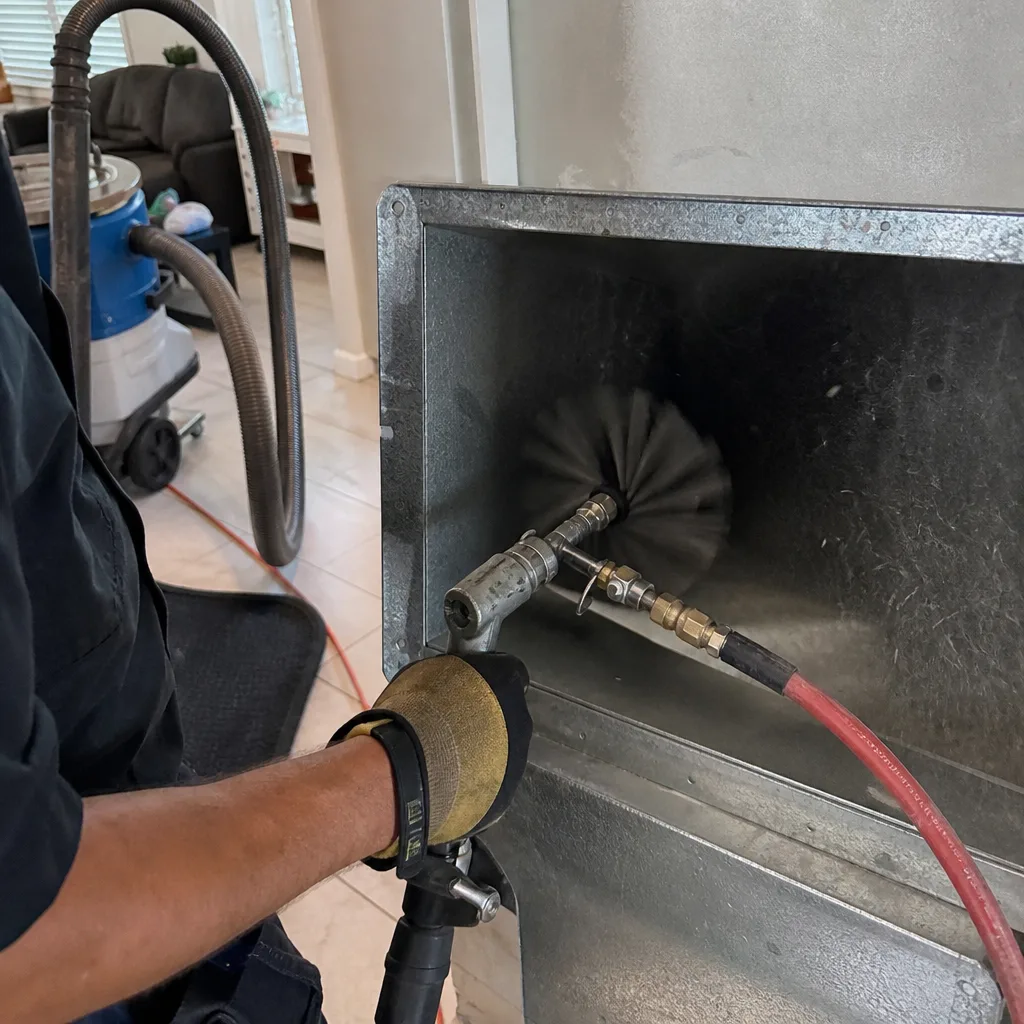
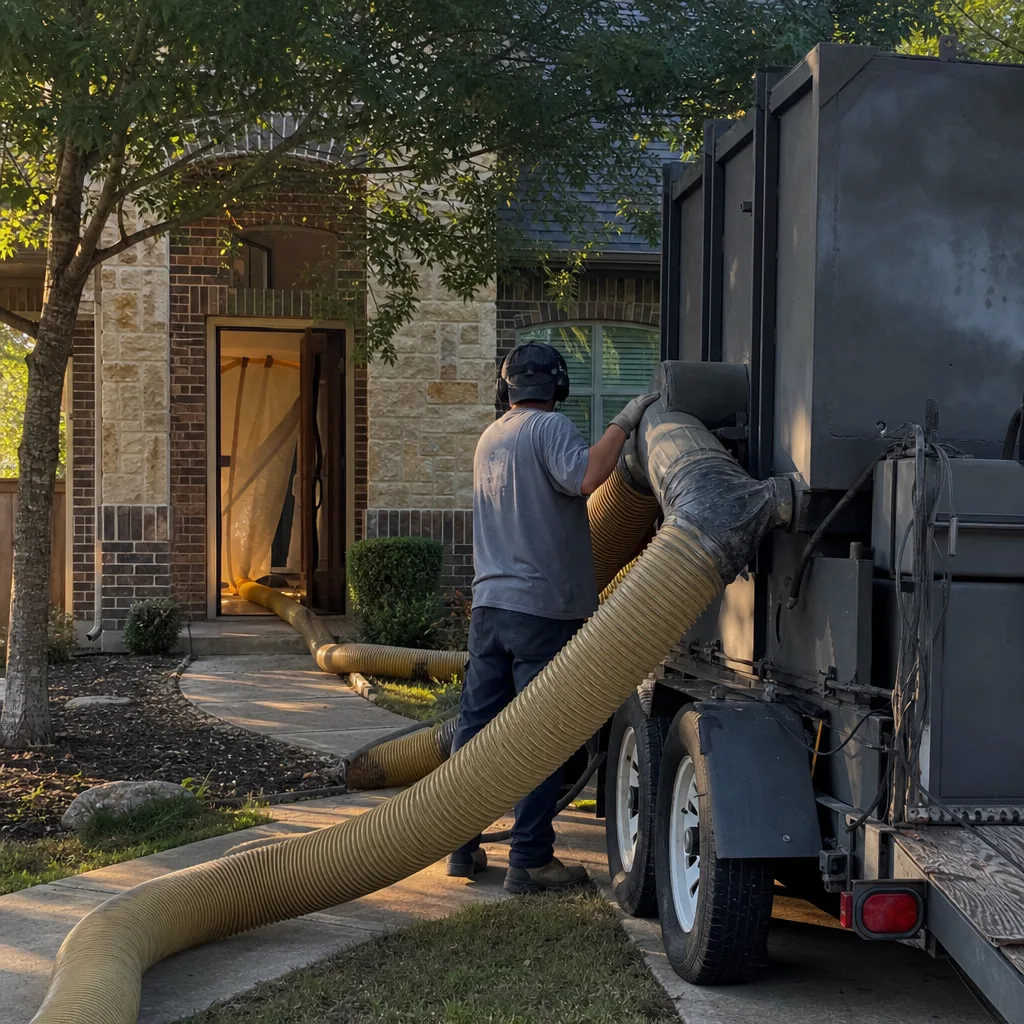
- Negative-pressure containment. The entire duct system is placed under sustained vacuum during cleaning, so dislodged debris is captured at the collection point rather than released into living spaces. This requires a portable HEPA-filtered extraction unit, not a shop vac with a long hose.
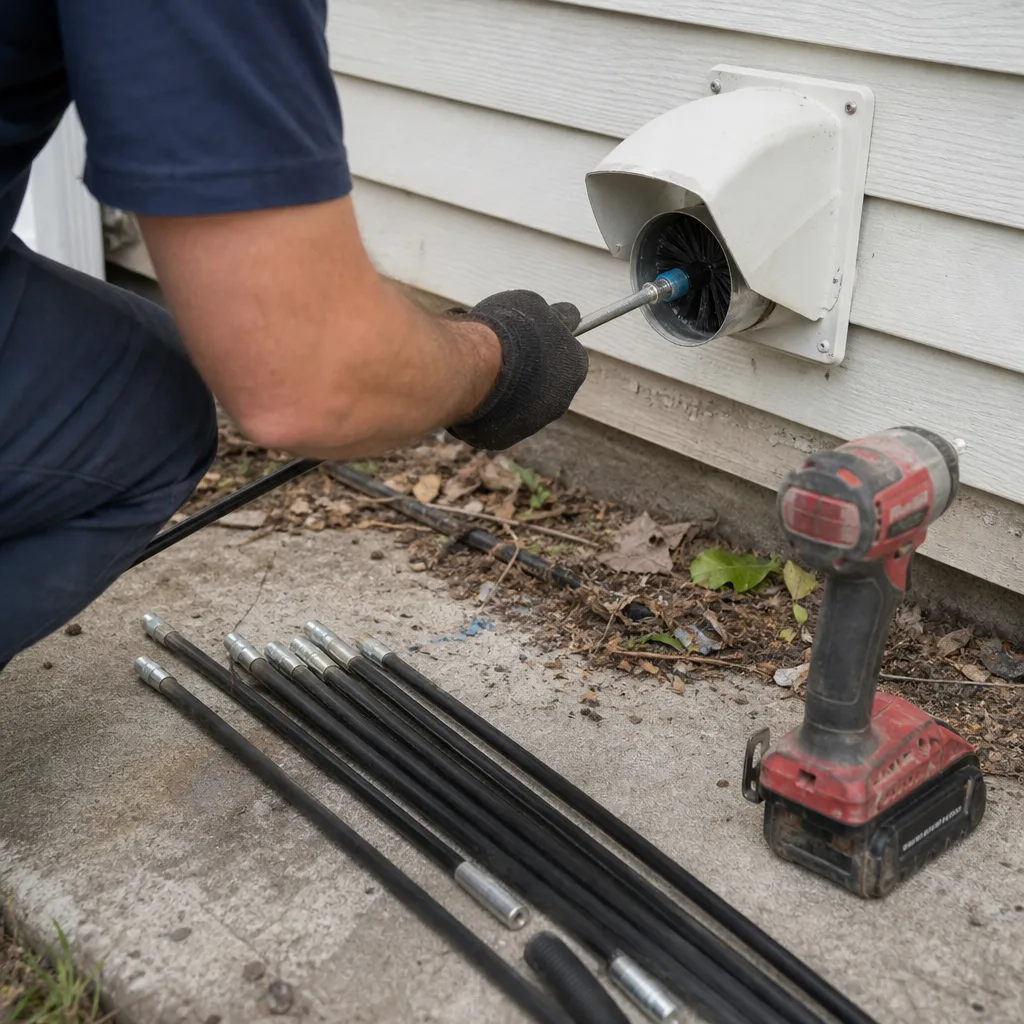
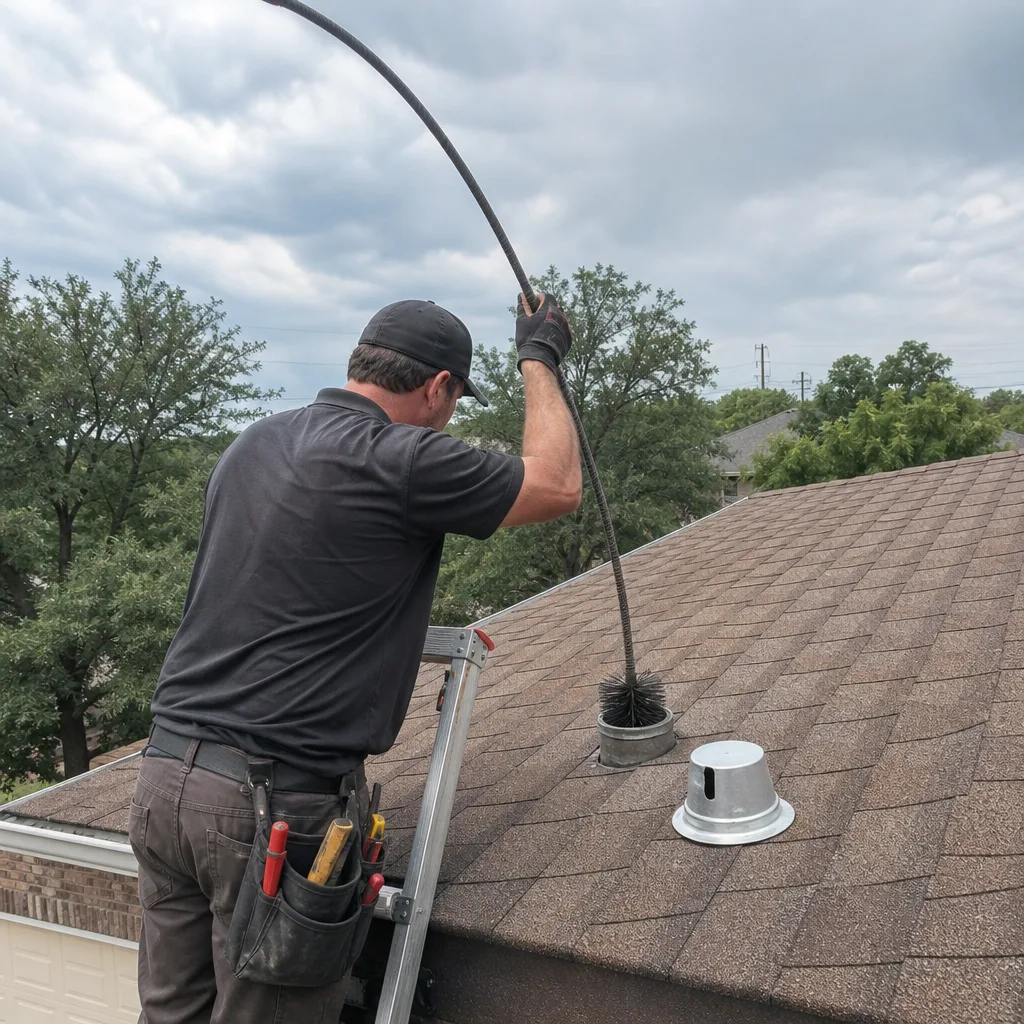
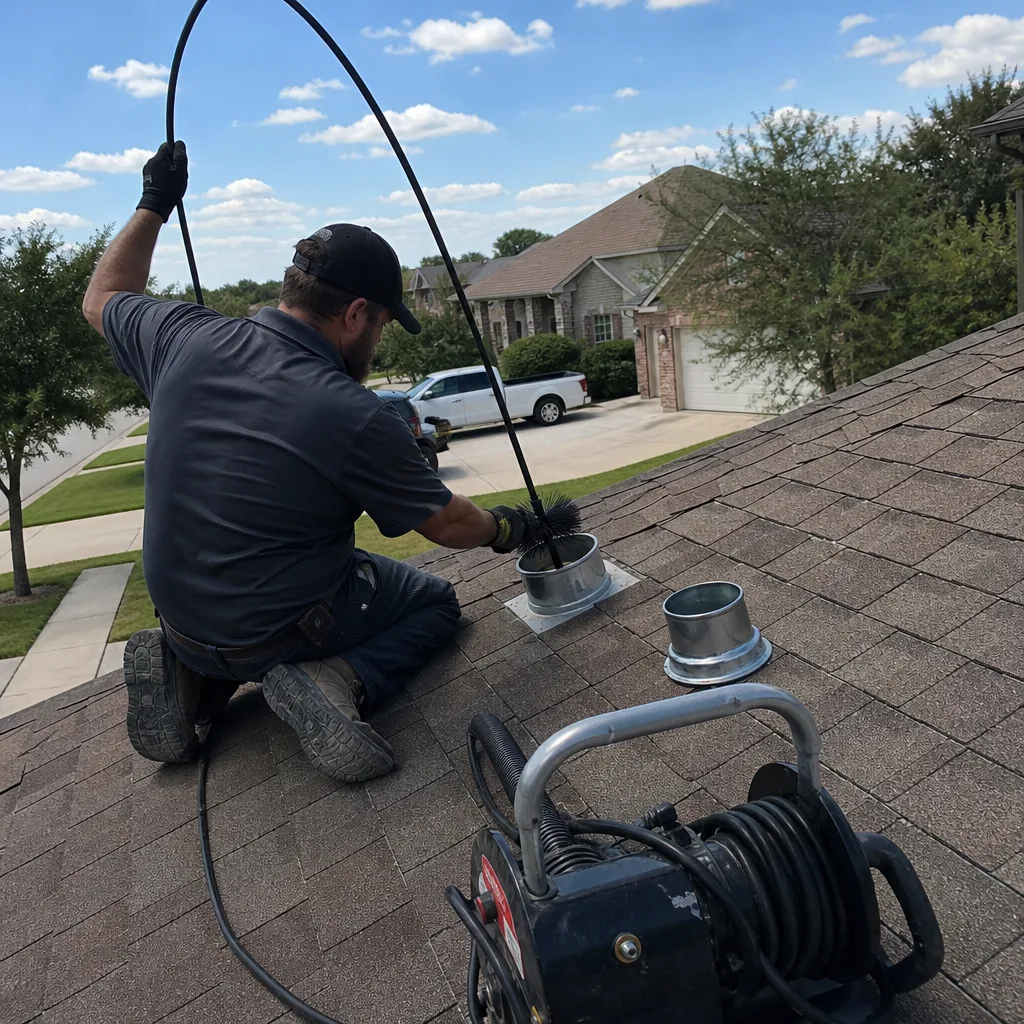
- Mechanical agitation at the point of contact. Rotary brushes or compressed-air tools must physically contact interior duct surfaces to break debris free. Air-only whips without agitation leave adhered material in place.
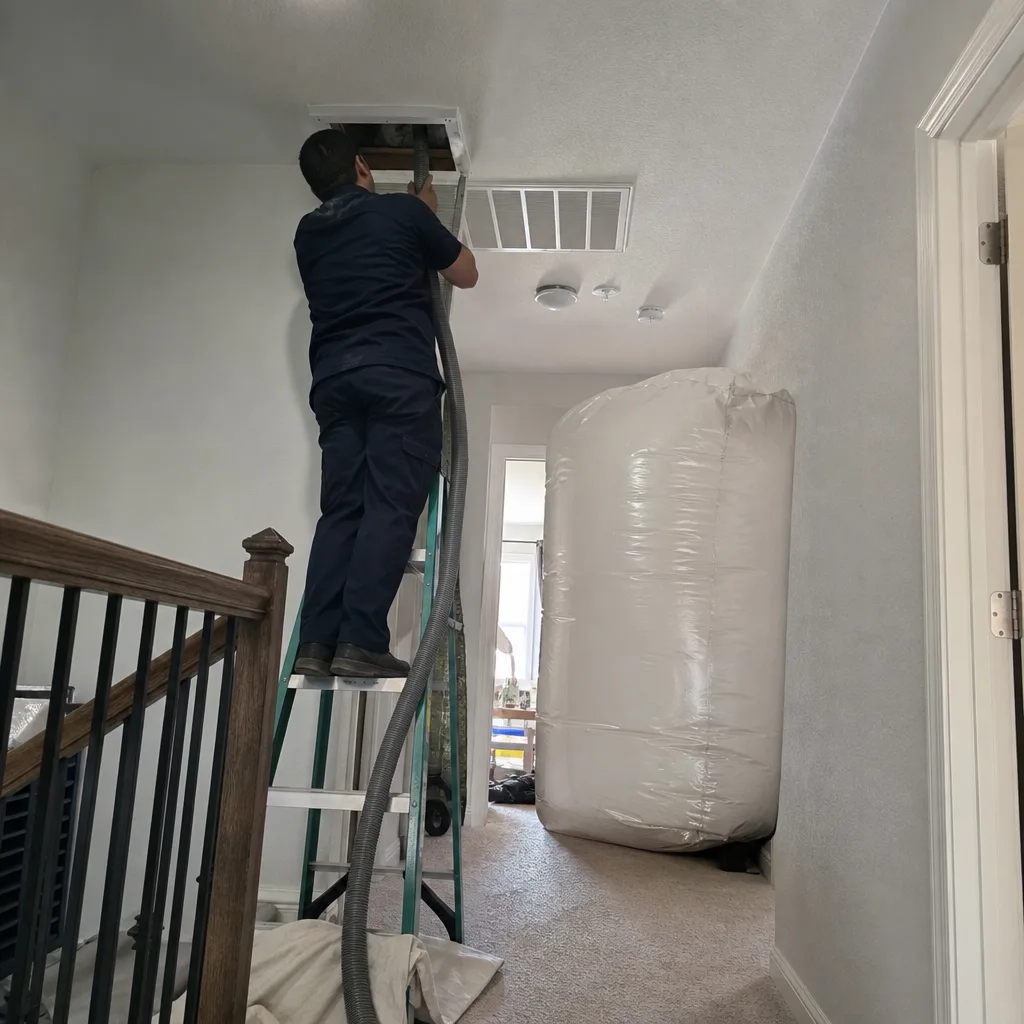
- Complete system access. Every duct run, the plenum, the evaporator coil housing, and the blower compartment must be accessible for inspection and cleaning. In Round Rock’s 2015-2025 construction, this often requires cutting access panels in finished drywall - a step many low-price operators skip.
- Post-cleaning verification. The system is inspected after cleaning to confirm debris removal. The only reliable verification is photographic documentation from inside the ducts, dated and delivered to the customer.
We’ve documented jobs in Round Rock’s Forest Creek and Behrens Ranch neighborhoods where a previous “cleaning” left 2-3 inches of compacted debris at duct elbows, visible only because our camera reached past the straight sections the prior technician had accessed. The homeowner had paid $199 for what amounted to a noisy visit.
The equipment difference matters. A Nikro HP20G or comparable negative-pressure portable requires 220V power, HEPA filtration rated at 99.97% efficiency at 0.3 microns, and sufficient airflow to maintain negative pressure across a 2,500-square-foot home’s duct network. A shop vac with a brush kit costs $300 at a hardware store and cannot maintain the pressure differential or filtration standard.
When we quote a job in Round Rock, we specify which equipment will be used, where access panels will be cut if needed, and how many duct runs will be photographed. This is Haven Standard Clause 1: Written Price Before Any Work Starts. No exceptions.
What Round Rock’s Climate Deposits Inside Your Ducts
Round Rock sits on the Blackland Prairie with soil composition heavy in expansive clay. This geography creates three contamination patterns that surface inspections miss entirely.
Fine clay particulate infiltration. During dry periods, clay dust penetrates through gaps in duct seams and return air pathways. The particles are sub-micron when airborne, electrostatically charged, and adhere to duct interior surfaces in layers that compressed air alone cannot remove. In homes near Brushy Creek or along the Williamson County clay belt, we’ve photographed clay buildup at return duct elbows that measured 4-6 millimeters thick - hard, layered, and requiring rotary brush contact to break free.
Cedar pollen and organic debris. Central Texas cedar season runs December through February, with pollen counts that regularly exceed 20,000 grains per cubic meter. Cedar pollen is particularly adhesive and lipid-rich, meaning it sticks to duct surfaces and attracts additional particulate accumulation. Homes in Round Rock’s windward exposures - notably Teravista and Paloma Lake areas facing open prairie - show heavier organic loading than sheltered neighborhoods. The pollen doesn’t remain pollen; it degrades into a sticky organic film that traps subsequent dust loads.
Humidity-driven microbial growth. Round Rock’s spring and fall humidity swings, combined with air conditioning condensation in ductwork, create microclimates where organic debris supports bacterial and fungal colonization. This isn’t visible at the register. It occurs at the evaporator coil plenum and in low-velocity sections of the return duct where condensation pools. Our cameras have documented this pattern repeatedly in Round Rock homes built 2016-2020 with high-efficiency systems that run longer cycles at lower airflow - great for efficiency, but prone to moisture retention in ductwork.
These three factors interact. Clay provides a mineral substrate. Cedar pollen adds organic adhesive. Humidity enables biological activity. The result is a contamination profile that looks like “dust” from the register but behaves like compacted, layered debris inside the duct. A shop vac or compressed-air whip addresses none of it effectively.
Homeowners in Round Rock’s newer developments - Sonoma, Siena, or the expanding east-side construction - should be particularly attentive. Tighter building envelopes reduce natural air exchange, concentrating whatever does enter. The 2018-2023 building boom in Round Rock produced thousands of homes with complex duct layouts, multiple zones, and long duct runs that are difficult to clean without proper equipment and access planning.
How to Read a Before/After Duct Photo
Documented photo records separate legitimate work from performance art. But a photo only proves what you know how to read. Here’s what to look for when any contractor shows you duct images.
Check the location metadata. A legitimate photo record identifies which duct run was photographed - “Master bedroom supply, second elbow” - not just “before” and “after.” If the contractor cannot tell you where the camera was positioned, the photos may be stock images or from a different job entirely. CleanRun’s photo records label every image with duct run, date, and technician ID as standard practice since 2013.
Look for consistent lighting and angle. Before and after photos should show the same duct section from the same camera position. If the “after” photo is brighter, wider-angle, or from a different direction, you’re not seeing a fair comparison. Professional duct inspection cameras have fixed focal lengths and LED arrays that produce consistent illumination.
Examine the duct surface texture. Fibrous duct liner, common in Round Rock homes built 2015-2020 for acoustic dampening, shows contamination differently than bare sheet metal. A clean fibrous surface should show individual fibers, not a matted, discolored mass. Sheet metal should show the original galvanized finish or coating, not a uniform gray film. If the “after” photo still shows dark staining on metal or matted fibers, the cleaning was incomplete.
Verify the debris was removed, not redistributed. This is the critical test. Look at the duct joints, seams, and elbows - the low-velocity zones where debris settles. A proper cleaning shows these areas clear. A superficial cleaning may show the straight duct sections improved while elbows and transitions remain loaded. We’ve reviewed competitor photo sets from Round Rock jobs where the “after” image was clearly from a straight section while the elbow visible in the “before” frame was never rephotographed.
Demand the full set, not selected highlights. A complete photo record includes every duct run that was cleaned, not a curated pair of the most dramatic before/after comparisons. If your home has 12 supply runs and 4 returns, you should receive 32 images minimum - before and after for each. Anything less is selective disclosure.
At Air Duct Cleaning in Round Rock, our standard deliverable includes all images, organized by duct run, with technician notes on any areas requiring repair or sealing. This is not an upgrade. It is the baseline documentation that makes accountability possible.
What a Written Scope of Work Should Contain
Verbal descriptions of “whole house duct cleaning” mean different things to different contractors. The written scope is your only protection against scope reduction after the price is agreed. Here’s what belongs in the document you sign before work begins.
System inventory. The scope should list every component to be cleaned: supply duct runs, return duct runs, plenum(s), evaporator coil housing (if accessible without refrigerant disturbance), blower compartment, and registers/grilles. If the contractor excludes the blower or coil, that exclusion should be stated, not implied.
Access plan. For systems without existing service openings, the scope must specify where access panels will be cut, how large, and who is responsible for closure. In Round Rock’s finished basements and media rooms, this matters significantly. CleanRun’s scopes include a simple diagram showing proposed cut locations.
Equipment specification. The document should name the extraction and agitation equipment to be used. “Negative-pressure HEPA extraction with rotary brush agitation” is the minimum standard. Brand names - Rotobrush, Nikro, Abatement Technologies - add verifiability. If the scope says only “professional equipment,” you have no basis to verify what arrives.
Photo documentation commitment. Specify the number of duct runs, the number of images per run, and delivery format. “Before/after photos of all cleaned components, delivered electronically within 24 hours” is a claim you can enforce.
Price and payment terms. One flat price for the agreed scope, with line-item costs for any optional add-ons (sanitizing, sealant application, access panel installation). The price should be fixed, not “starting at” or “estimated.” Haven Standard Clause 1 requires this explicitly: no work begins until the customer has a written price they can compare, question, or reject.
Guarantee terms. What happens if the work is deficient? A time-bounded guarantee with specific remedies - CleanRun’s 365-Day Done Right Promise - creates accountability. Vague “satisfaction guaranteed” language without defined process does not.
We provide this scope on every job in Round Rock, from modest ranch homes in Old Town to 4,000-square-foot builds in Walsh Ranch. See more guides & resources for related reading. The format doesn’t change because the accountability standard doesn’t change. If a contractor cannot or will not produce this document before starting, that is information about their business model.
The 365-Day Accountability Standard
Most service guarantees in the duct cleaning industry are marketing phrases without operational backing. “Satisfaction guaranteed” sounds reassuring until you try to invoke it and discover there’s no defined process, no time limit, and no specific remedy.
The 365-Day Done Right Promise operates differently. It is a written guarantee, delivered with the job documentation, with defined triggers and response commitments. If the work is not right - if a duct run was missed, if debris remains visible in the photo record, if access panels were not properly sealed - CleanRun makes it right within the guarantee period. This is not subject to manager discretion or case-by-case evaluation. It is a contractual obligation backed by the H.A.V.E.N. Standard.
This time-bounded structure changes contractor incentives in ways that benefit the customer. A 30-day guarantee encourages the contractor to hope problems don’t surface quickly. A 365-day guarantee requires workmanship that holds up to seasonal cycling, humidity variation, and the customer’s own inspection at whatever pace they choose. In Round Rock’s climate, where summer AC loads stress duct systems and winter heating cycles can dislodge residual debris, the extended period matters.
The guarantee also covers documentation integrity. If photo records are lost, incomplete, or mislabeled, that is a failure of the documented deliverable and is covered. We’ve revisited homes in Round Rock’s Mayfield Ranch and Cat Hollow where customers called six months post-service with questions about their documentation. The records were available, the work was verifiable, and any concerns were addressed under the guarantee terms.
A guarantee without documentation is unenforceable. A guarantee with documentation but no time bound is easily deferred indefinitely. The combination - written scope, photo record, and 365-day commitment - is what makes accountability real rather than theoretical.
Equipment Names You Can Verify Yourself
Professional-grade duct cleaning equipment is manufactured by identifiable companies with published specifications. When a contractor names their equipment, you can verify whether it meets NADCA standards and whether the claimed capabilities align with manufacturer documentation.
Negative-pressure extraction units. Nikro produces portable HEPA extraction systems specifically designed for HVAC cleaning, with airflow ratings and filtration efficiency certified to industry standards. These units weigh 200+ pounds, require dedicated power, and are not confused with shop vacuums.
Rotary brush systems. Rotobrush manufactures brush-and-vacuum combinations with camera integration, allowing simultaneous agitation and visual inspection. The brush head size must match duct diameter - a 6-inch brush in a 14-inch return duct is inadequate contact.
Air handling and filtration components. Honeywell and Aprilaire produce whole-house air cleaners and media filters that integrate with HVAC systems. These are not cleaning tools per se, but their inclusion in a contractor’s equipment roster indicates familiarity with complete system performance rather than isolated duct cleaning.
Containment and remediation equipment. Abatement Technologies manufactures negative-air machines and containment systems used in restoration and remediation contexts. Their inclusion suggests the contractor operates at standards appropriate for controlled environments, not just residential convenience.
When we specify equipment in a Round Rock quote, we name manufacturers and model ranges. Customers can search specifications independently. This transparency is intentional - it removes the information asymmetry that allows low-quality operators to obscure their actual methods.
Equipment naming also enables post-service verification. If the scope specifies a Nikro HP20G and a technician arrives with a wet/dry vac, the discrepancy is obvious and the work should not proceed. This is why CleanRun includes equipment specification in every written scope, not just in marketing materials.
What Air Duct Cleaning Costs in Round Rock
Price transparency is the central tension in this industry. The $79 coupon model survives because customers lack reference points for legitimate pricing. Here is what whole-system duct cleaning actually costs in the Round Rock market, based on system size and configuration.
| Home Size / System Type | Typical Range in Round Rock | Factors Affecting Price |
|---|---|---|
| Under 2,000 sq ft, single system, accessible attic | $400-$600 | Number of duct runs, register accessibility |
| 2,000-3,500 sq ft, single or zoned system | $550-$800 | Zone dampers, plenum configuration, access panel needs |
| 3,500+ sq ft, multi-system or complex layout | $750-$1,200 | Multiple air handlers, finished basement ducts, remote equipment locations |
| New construction / post-renovation cleaning | $350-$550 | Debris type (construction dust vs. accumulated residential), system accessibility during build |
These ranges reflect complete source removal with negative-pressure extraction, rotary brush agitation, and documented photo records. Prices below this range typically indicate partial scope, inadequate equipment, or undisclosed add-on pricing.
The per-vent pricing model - “$X per register” - is specifically designed to obscure total cost until the technician counts vents in your home. CleanRun does not use this structure. Our pricing is flat per system, agreed in writing before work begins, with no variance based on vent count discovered on arrival. This is Haven Standard Clause 1 in practice.
Additional services that may be appropriate but are never required:
- Dryer vent cleaning: typically $120-$250 when bundled with duct cleaning, or as a standalone service at Dryer Vent Cleaning in Round Rock
- HVAC component cleaning (coil, blower): $150-$350 depending on accessibility, detailed at HVAC Cleaning in Round Rock
- Duct sealing with mastic or aerosol sealant: priced by linear footage of accessible ductwork
We offer free second opinions on any written estimate from another contractor. Bring the scope document; we’ll review equipment specifications, coverage claims, and pricing structure against market standards. No obligation.
How to Choose a Contractor in Round Rock
The Round Rock market includes national booking platforms, independent operators, HVAC companies adding duct cleaning as a sideline, and specialists like CleanRun. Here’s how to evaluate them without relying on review scores alone.
Verify the license and insurance status independently. Texas requires HVAC contractors to hold a TDLR license for work affecting mechanical systems. Ask for the license number and confirm it at tdlr.texas.gov. CleanRun publishes its license number on every proposal and on our CleanRun Air Duct Cleaning Round Rock home page. Insurance and bonding status should be verifiable on request, not merely claimed.
Request a sample photo record from a recent job. Any contractor with a genuine documentation practice can produce anonymized examples. Examine them using the criteria in the “How to Read a Before/After Duct Photo” section above. If the contractor cannot or will not provide samples, their “photo documentation” claim is unverified.
Ask about crew verification. Haven Standard Clause 3: Verified Crews requires background-checked, uniformed technicians identified by name before arrival. In Round Rock’s family-oriented neighborhoods - Brushy Creek, Fern Bluff, Forest Creek - this matters for security and accountability. The technician who arrives should match the name you were given.
Test the pricing process. Request a written scope for your specific home before scheduling. If the response is “we need to see it first” or “call for a quote,” you are not dealing with a fixed-price operator. This doesn’t mean the price will be wrong; it means you cannot compare it under equal conditions with competitors.
Check for local operational presence. Contractors dispatched from Austin or San Antonio may serve Round Rock, but their response to callback requests, documentation questions, or guarantee claims depends on routing through a central call center. CleanRun operates with local crews and local accountability. Our 52,000+ jobs since 2013 include thousands in Williamson County specifically.
Evaluate the guarantee specificity. Ask what “done right” means, what process triggers a return visit, and what the timeline is. Vague assurances indicate marketing language. Specific terms - 365 days, written, with defined remedy - indicate operational commitment.
Common Mistakes to Avoid
- Equating noise with work. A loud machine running for two hours proves nothing about debris removal. Demand the photo record that verifies what the noise accomplished inside the ducts.
- Accepting “whole house” without definition. This phrase typically excludes the blower, coil, and plenum unless explicitly included. Get the component list in writing.
- Ignoring access panel responsibility. If cutting is required, who patches and finishes? In Round Rock’s finished homes, an unpainted drywall patch is a visible defect. Clarify before work starts.
- Booking based on coupon price alone. The $199 special becomes $600+ on arrival through vent-count adjustments, “required” sanitizing, and upsold services. Written upfront pricing prevents this.
- Neglecting dryer vent cleaning. In Round Rock’s lint-prone clay dust environment, dryer vents clog faster than ducts and present genuine fire risk. Bundle it or schedule it separately, but don’t ignore it.
- Failing to review photo records promptly. Documentation delivered 24 hours post-service should be examined while the work is fresh. Delayed review delays any necessary callback under guarantee.
- Assuming new construction means clean ducts. Construction debris - drywall dust, insulation fragments, fastener droppings - often exceeds residential accumulation. New Round Rock homes frequently need post-construction cleaning before occupancy.
When to Call a Professional
Schedule professional duct cleaning when you can see debris at registers, when airflow is visibly reduced from specific vents, when your HVAC filter loads faster than manufacturer specifications suggest, or when you’ve completed renovation work that generated construction dust. In Round Rock, we also recommend inspection after any water intrusion event - the clay-heavy soil and rapid humidity shifts create conditions where moisture in ductwork leads to contamination faster than in drier climates.
If you’re purchasing a home in Round Rock’s 2015-2025 construction cohort, request the seller’s duct cleaning documentation. Absent records, assume the system has accumulated two or more seasons of Central Texas pollen and clay dust without proper extraction.
CleanRun Air Duct Cleaning Round Rock offers free estimates in Round Rock - call (737) 259-5752. Every estimate includes a written scope, equipment specification, and flat price before any commitment. We also provide free second opinions on any competitor’s written estimate.
Frequently Asked Questions
Complete whole-system duct cleaning for a typical Round Rock home runs $400-$900 depending on square footage, system complexity, and access requirements. Homes under 2,000 square feet with straightforward attic access fall at the lower end; multi-zone systems in larger homes or those requiring access panel cutting fall higher. CleanRun provides a flat written price before work begins - no per-vent surprises. Call (737) 259-5752 for a specific quote; estimates are free.
Low quotes typically reflect reduced scope, inadequate equipment, or bait-and-switch pricing. A $199 service often covers only visible register areas with a shop vac, excludes the plenum and blower, and adds charges for “extra vents” on arrival. The legitimate cost of negative-pressure extraction, HEPA filtration, rotary brush agitation, and documented photo records cannot be delivered at coupon pricing. Compare written scopes line by line, not headline prices.
Require dated, labeled before/after photos from inside every duct run, not just verbal assurance or a receipt. The photo record should show specific locations - “Master bedroom supply, second elbow” - with consistent lighting and angle between before and after images. Review these promptly and compare against the written scope to verify all listed components were addressed.
For typical Round Rock homes without special risk factors, every 3-5 years is reasonable. Homes with pets, allergy-sensitive occupants, recent construction, or location in high-exposure areas - near open prairie in Teravista or Paloma Lake, for example - may need more frequent service. The correct interval depends on what the photo record shows, not calendar dogma. We assess accumulation rates during initial cleaning and advise accordingly.
Moderately, in specific conditions. Significant debris buildup restricts airflow, forcing the blower to work harder. Cleaning restores design airflow, which can reduce runtime and energy use. The effect is most pronounced in systems with visible accumulation - 1/4 inch or more - and less dramatic in lightly loaded systems. We photograph and measure so you can see whether your system falls in the range where efficiency gains are likely.
Air duct cleaning addresses the distribution network - supply and return ducts, plenum, registers. HVAC cleaning includes the air handler components: evaporator coil, blower assembly, and sometimes the condensate management system. In Round Rock’s humidity, coil cleaning often matters as much as duct cleaning for air quality and system performance. We offer both, scoped separately or together, at HVAC Cleaning in Round Rock.
Not routinely. Source removal - physical extraction of debris - is the NADCA standard and sufficient for most residential systems. Sanitizing may be appropriate after water damage, visible microbial growth, or specific health concerns, but it is not a default add-on. We recommend it only when photo documentation or customer circumstances justify the additional step, priced separately with the scope.
Partially, with limited effectiveness. A homeowner with a shop vac and brush kit can remove surface debris from accessible registers. However, negative-pressure containment of the entire system, mechanical agitation at duct elbows, and photographic verification require equipment and training that are not cost-effective for one-time DIY use. More importantly, ductwork in Round Rock’s newer homes often runs through finished spaces where improper access cutting creates repair costs exceeding professional service. We document and guarantee our work; DIY offers neither.
The Bottom Line
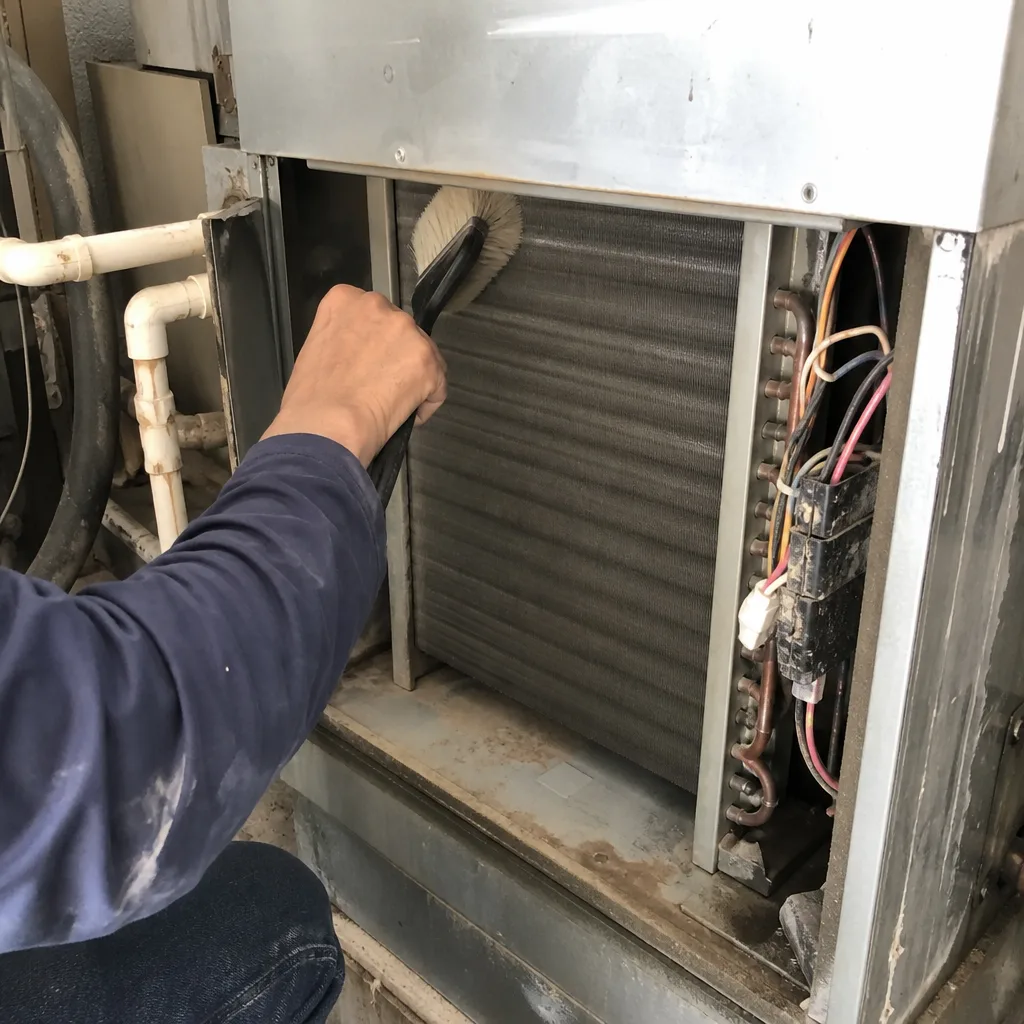
Legitimate air duct cleaning in Round Rock produces documentation, not just a receipt. The finished job includes a written scope agreed before work began, a flat price with no post-arrival adjustments, dated before/after photos from inside every duct run, and a 365-day guarantee with defined remedies. Equipment matters - negative-pressure HEPA extraction and rotary brush agitation are verifiable standards, not marketing claims. Round Rock’s clay-heavy soil, cedar pollen, and humidity patterns create specific contamination profiles that require proper equipment and complete system access to address. Anything less is noise and a truck pulling away.
Written by Tomas Reyes, Owner at CleanRun Air Duct Cleaning Round Rock, serving Round Rock since 2013.