
Whole-system duct and dryer vent check with before-and-after photos - you see exactly what came out of your vents
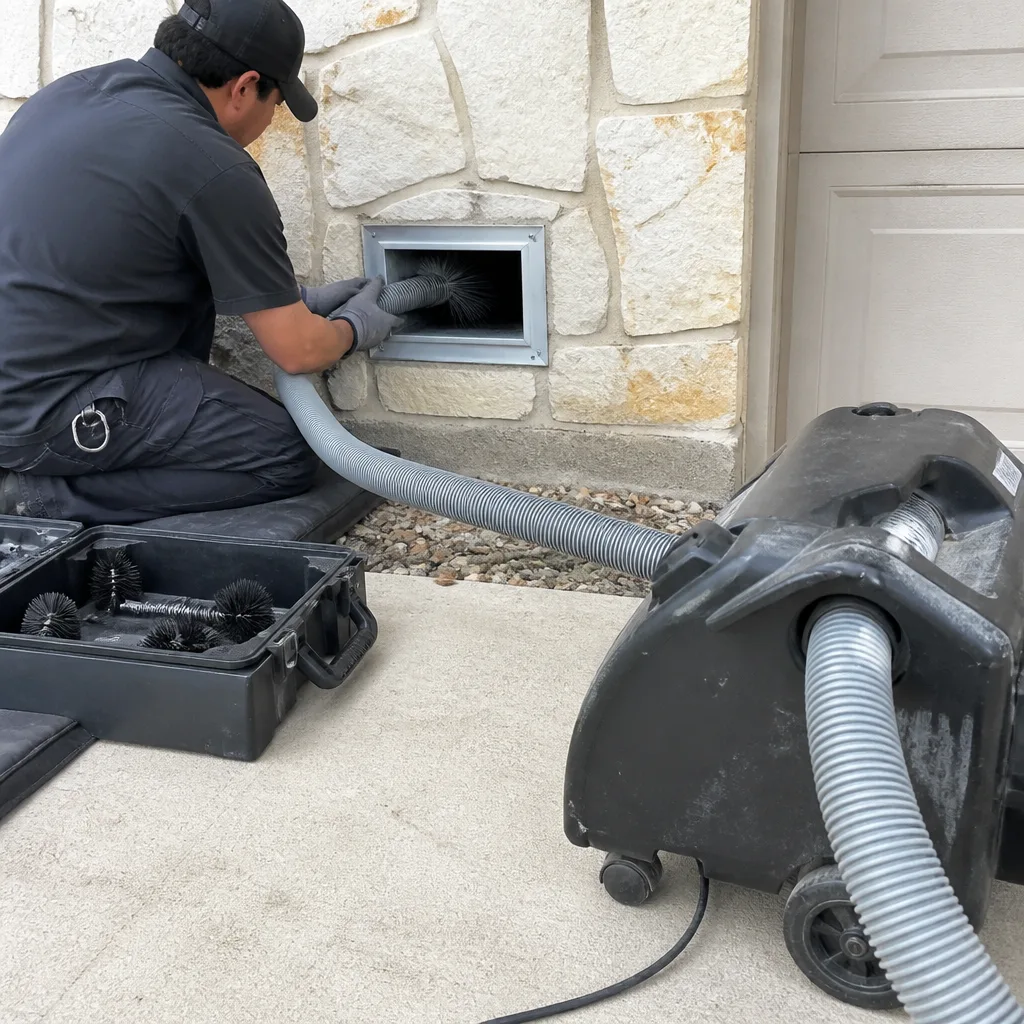
That "$99 whole-house special" is a bait ad - the real number appears once they are in your hallway, or the "clean" is a shop-vac at the register. We photograph the inside of your ducts before and after instead.
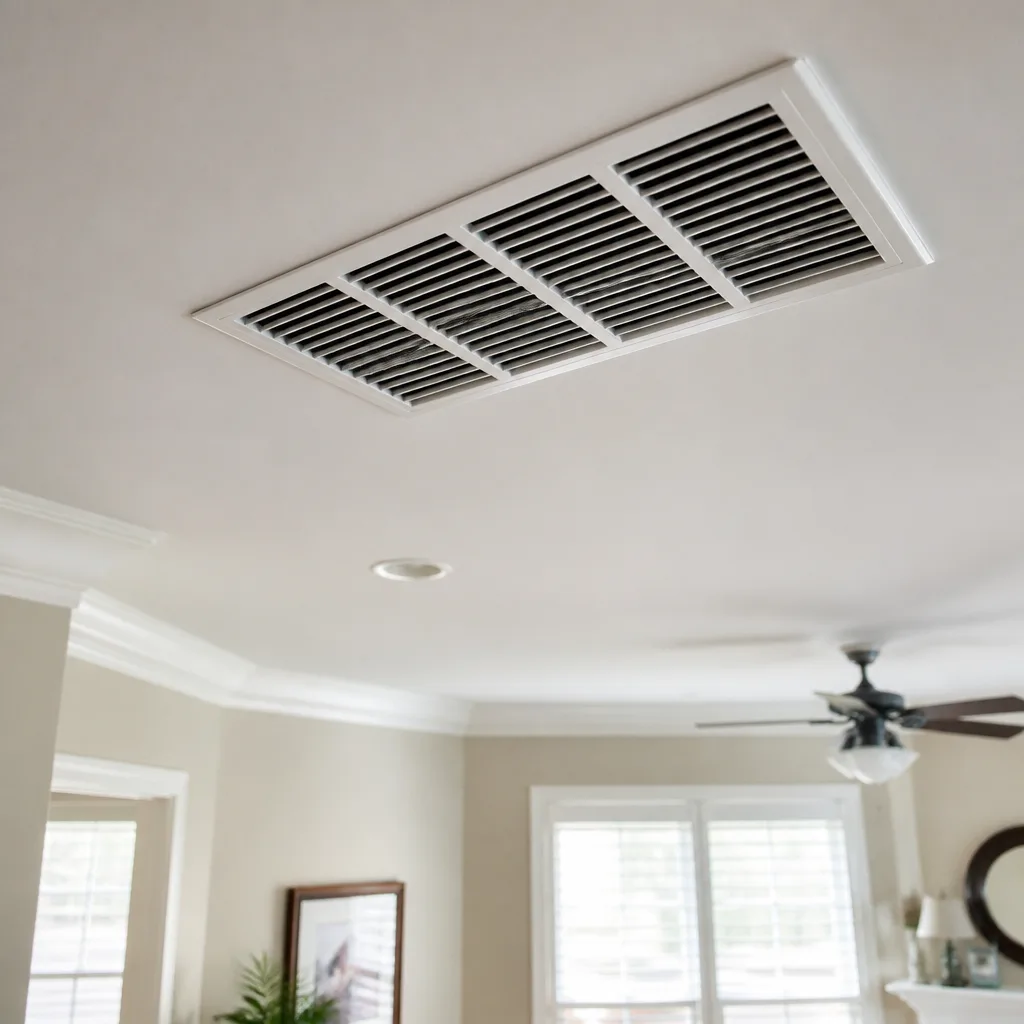
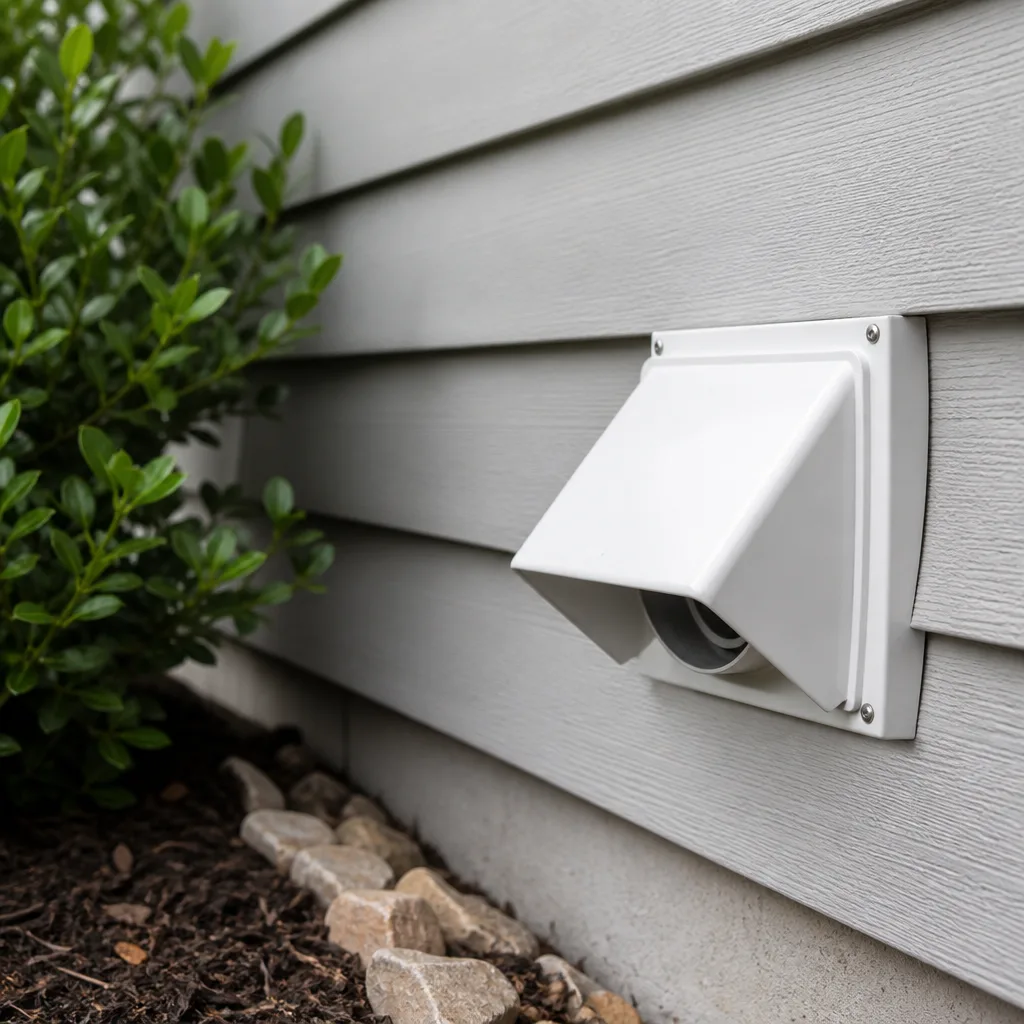
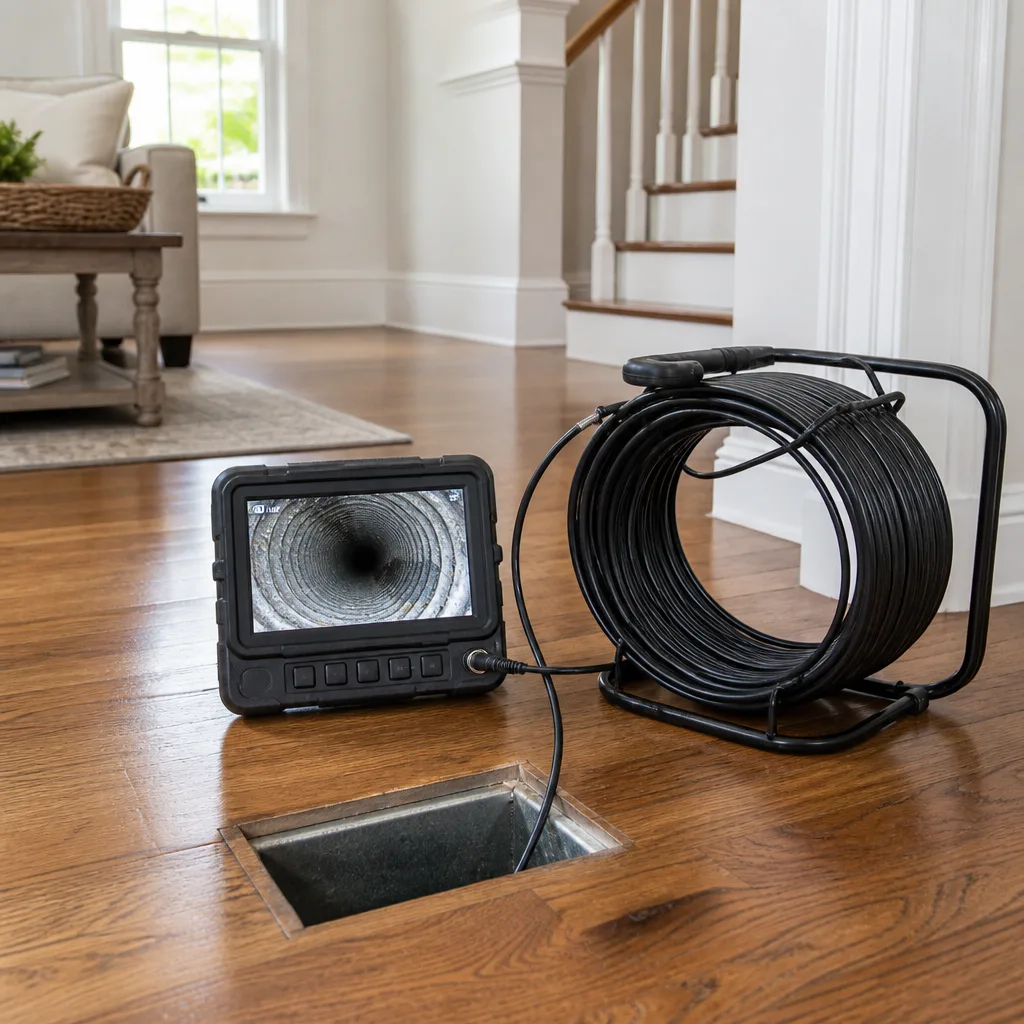
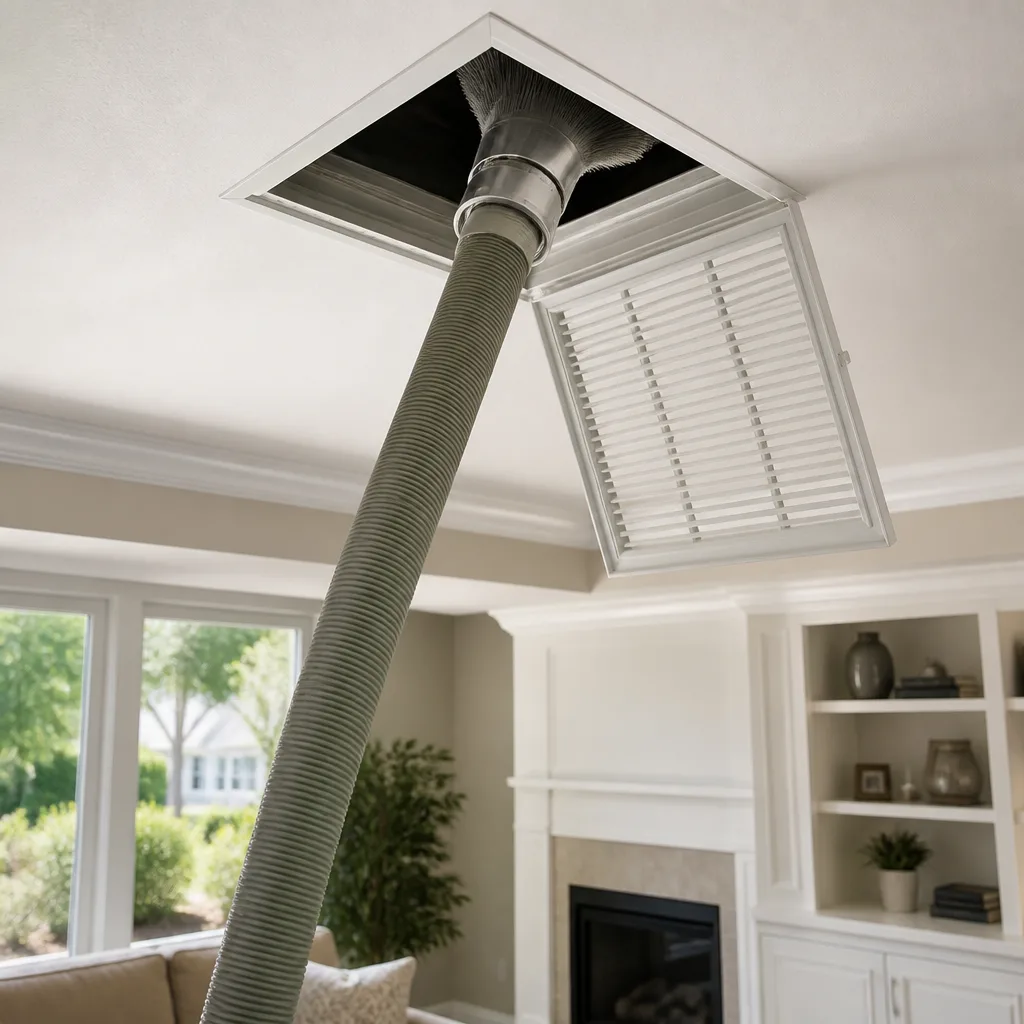
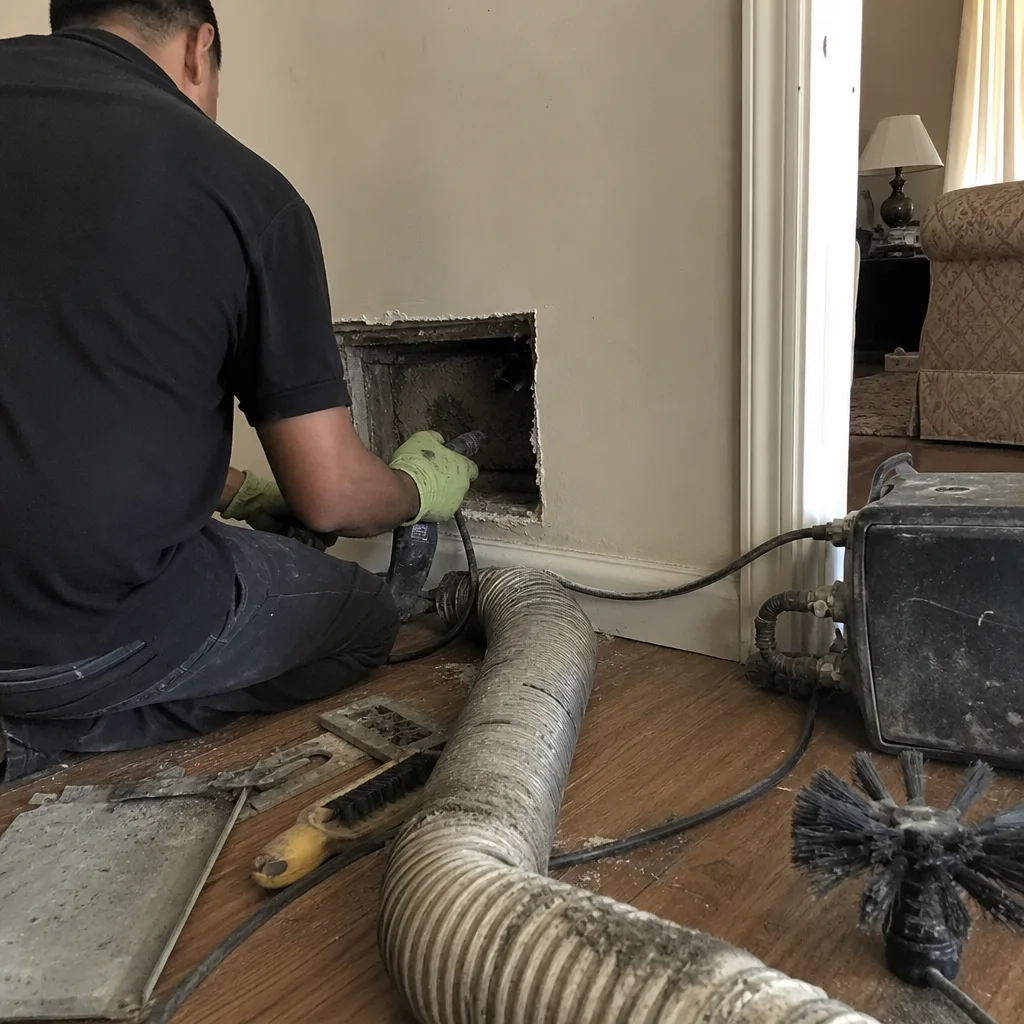 Before
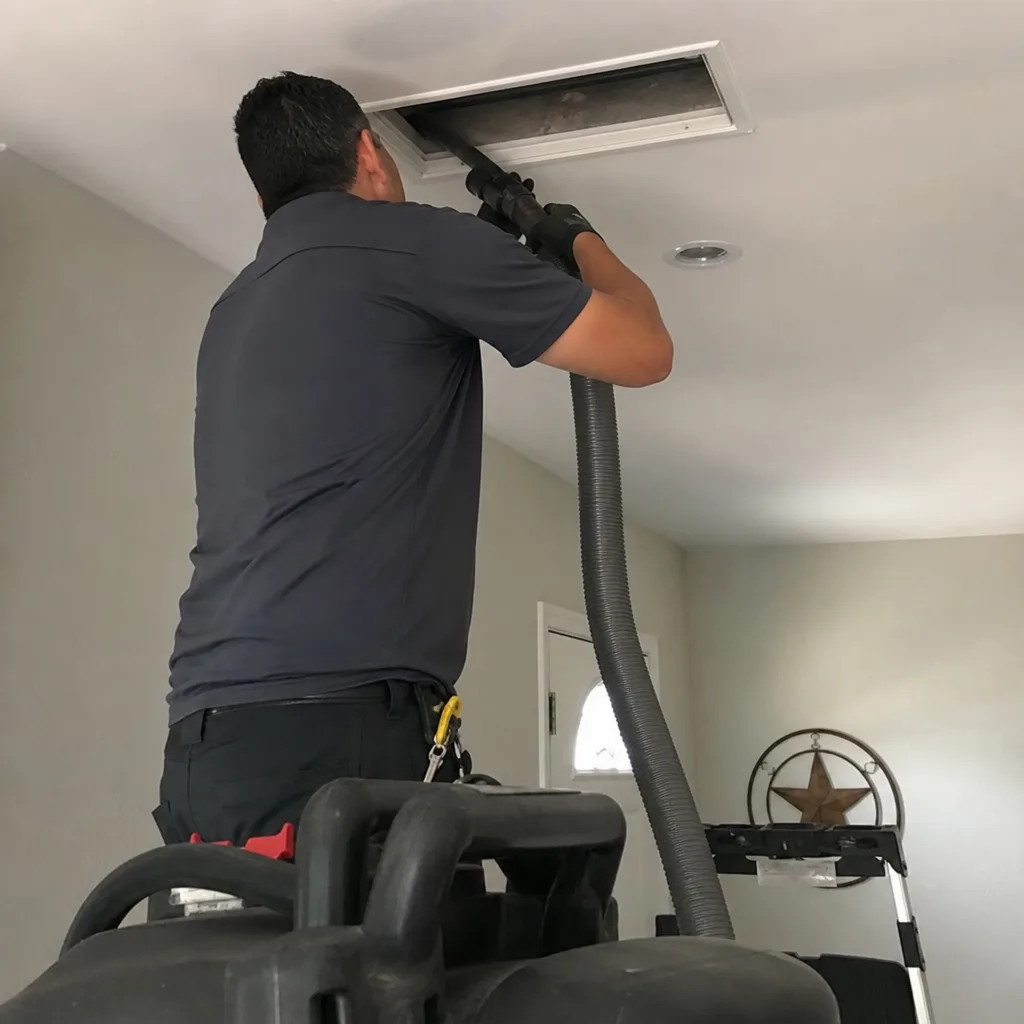 After
After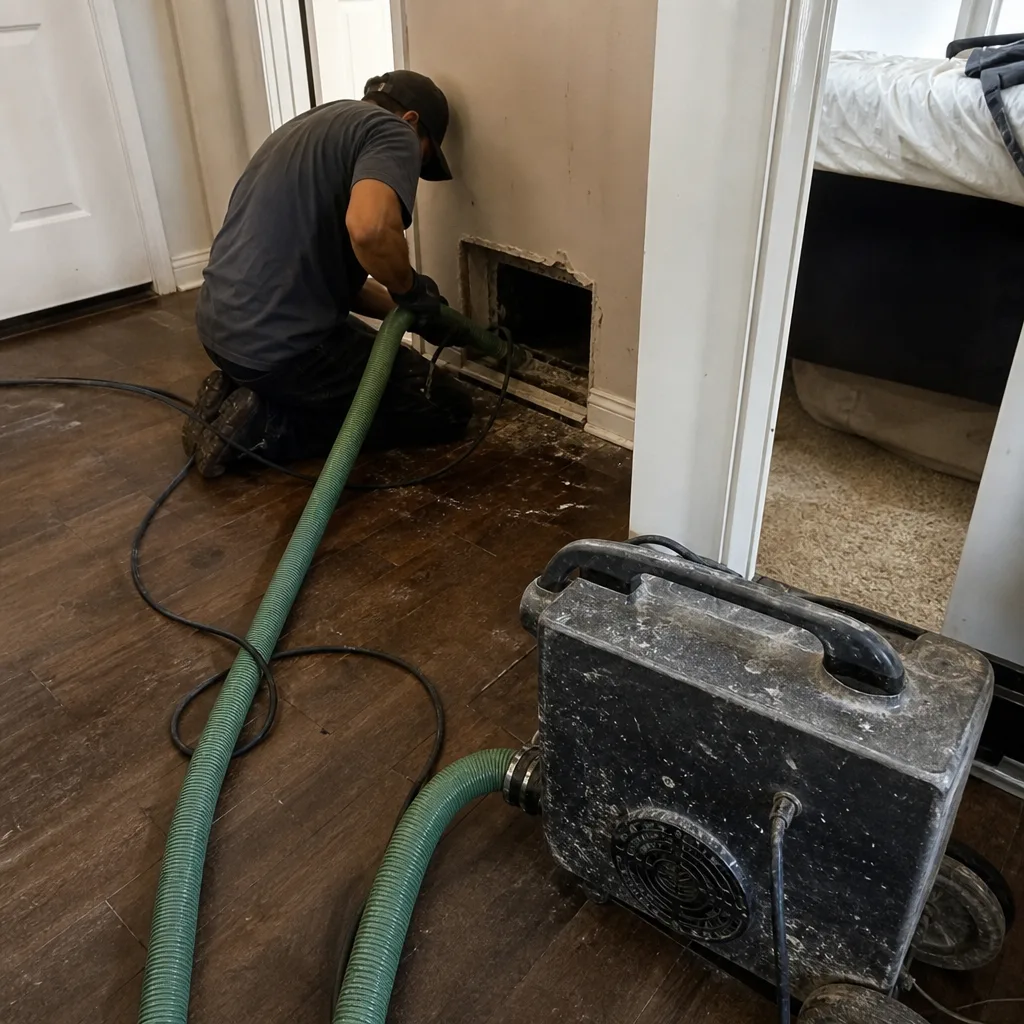 Before
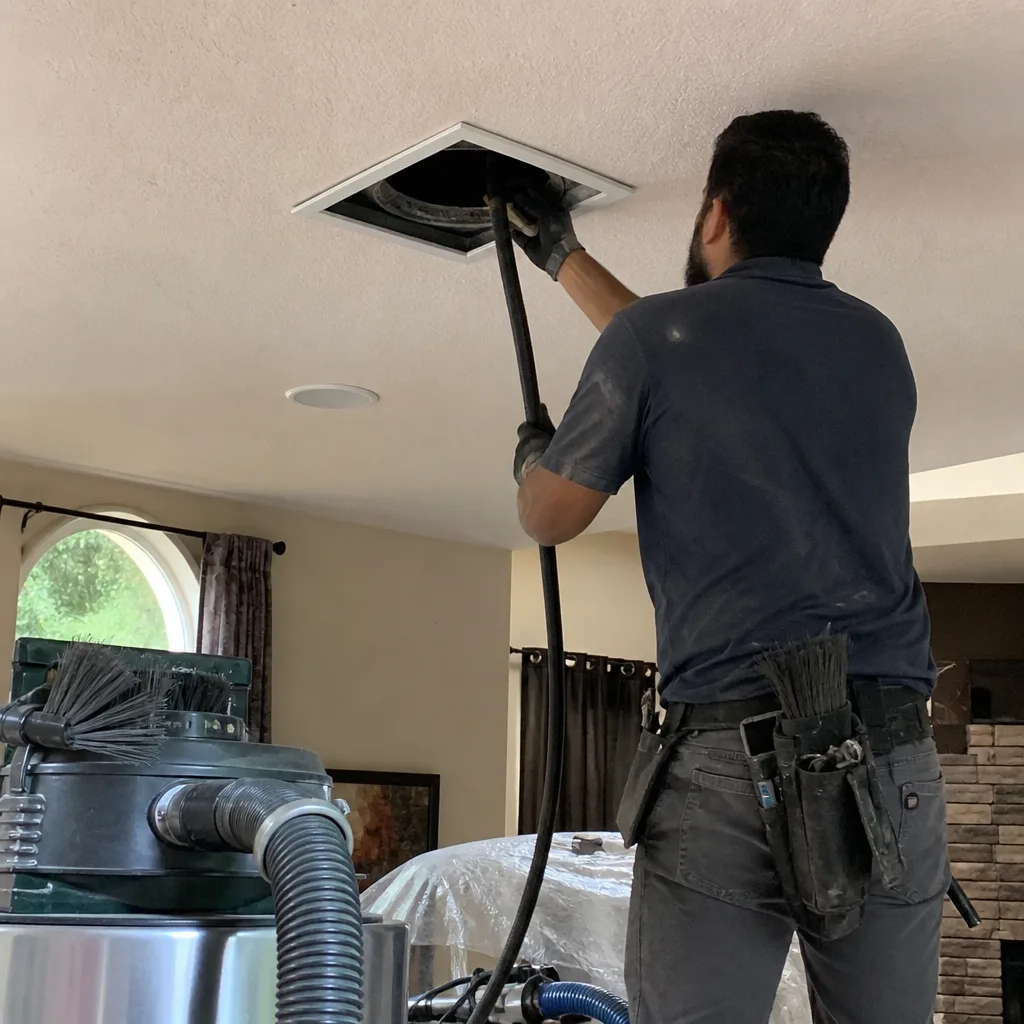 After
After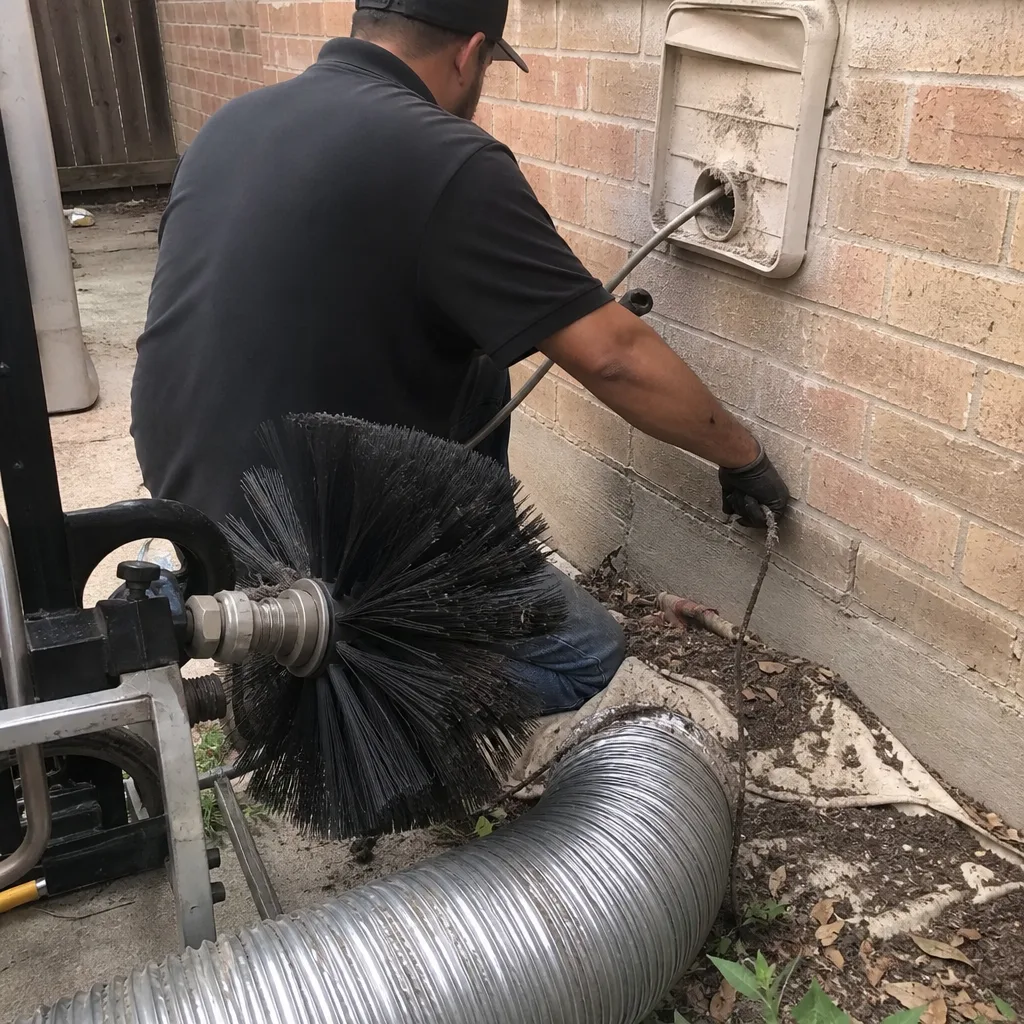 Before
 After
AfterHoneywell Coil Cleaning: The Round Rock Owner’s Guide
We stock and install Honeywell-compatible evaporator and condenser coil cleaning for most residential systems in Round Rock, with typical whole-system service ranging from $340 to $620 depending on accessibility and contamination level. Most Honeywell coil jobs we book are completed same-day, and we carry Rotobrush and Nikro agitation tools sized for Honeywell’s common 17.5-inch to 21-inch cabinet widths on every truck. Homeowners usually realize something’s wrong when their Honeywell system runs constantly in July but the house won’t drop below 78 degrees, or when they notice a musty, locker-room smell every time the compressor kicks on. The camera goes in first. Then we talk.
Which Honeywell Models This Applies To
Honeywell coils aren’t always labeled clearly from the outside, so we look for the model sticker on the indoor air handler cabinet or the outdoor condenser nameplate. In Round Rock, we most often clean coils in Honeywell systems paired with Goodman, Carrier, or Lennox air handlers from the 2015-2022 installation wave in neighborhoods like Teravista and Paloma Lake. The critical compatibility gotcha: Honeywell’s electronic air cleaners and media cabinets (like the F100 and F200 series) mount upstream of the coil, and if that filter housing was installed crooked or without a proper seal, unfiltered air bypasses and cakes the coil fins in a layer that standard vacuuming won’t touch.
We check the A-number on the coil itself, A-coils versus N-coils versus slab coils, because Honeywell’s matched systems use different fin densities. OEM Honeywell coils run 8-14 fins per inch depending on the series; aftermarket equivalents from Aspen or C&D can match that spec but we verify before quoting. The H.A.V.E.N. Standard requires us to photograph the existing coil and measure fin density before recommending any replacement, so the homeowner sees exactly why one part fits and another doesn’t.
Signs Your Honeywell Coil Cleaning Is Failing
- Uneven cooling room to room. When the evaporator coil’s fins are clogged with pollen and construction dust, airflow drops unevenly across the A-frame. The rooms at the end of long duct runs in Round Rock’s older Stone Oak Ranch builds get hit first, because they were already at the margin for static pressure.
- Ice formation on the refrigerant lines. A dirty coil can’t transfer heat, so the refrigerant stays cold enough to freeze condensation on the suction line. We’ve pulled the panel on Honeywell systems in May to find a solid block of ice where the coil should be, and the homeowner had no idea until the fan started making a helicopter noise.
- Musty or sour smell from registers. The biofilm that grows on a contaminated coil doesn’t smell immediately; it builds through the spring and hits full strength when humidity climbs in June. Honeywell’s F200 media filters catch a lot, but if the bypass gap is even a quarter-inch, that coil becomes a petri dish.
- System runs long cycles but never satisfies the thermostat. The compressor works harder, the electric bill climbs, and the house still won’t cool. In Round Rock’s 100-degree stretches, a coil with 30% airflow restriction can add 40% to runtime without ever hitting setpoint.
- Water staining below the air handler. When the condensate pan overflows because algae from the coil has clogged the drain, the damage shows in the ceiling or closet floor. We’ve seen this in second-floor units over garages in Teravista, where the pan is shallow and the coil is crammed into a tight closet with no working light.
BeforeAfterReplacement Cost & What’s Included
Whole-system Honeywell coil cleaning in Round Rock runs $340 to $620, with most single-system residential jobs falling between $420 and $520. The lower end covers accessible evaporator coils in open basements or large utility closets with light contamination; the upper end applies to rooftop condensers, coils requiring panel removal in tight attic spaces, or systems with heavy buildup from years of neglected filter changes.
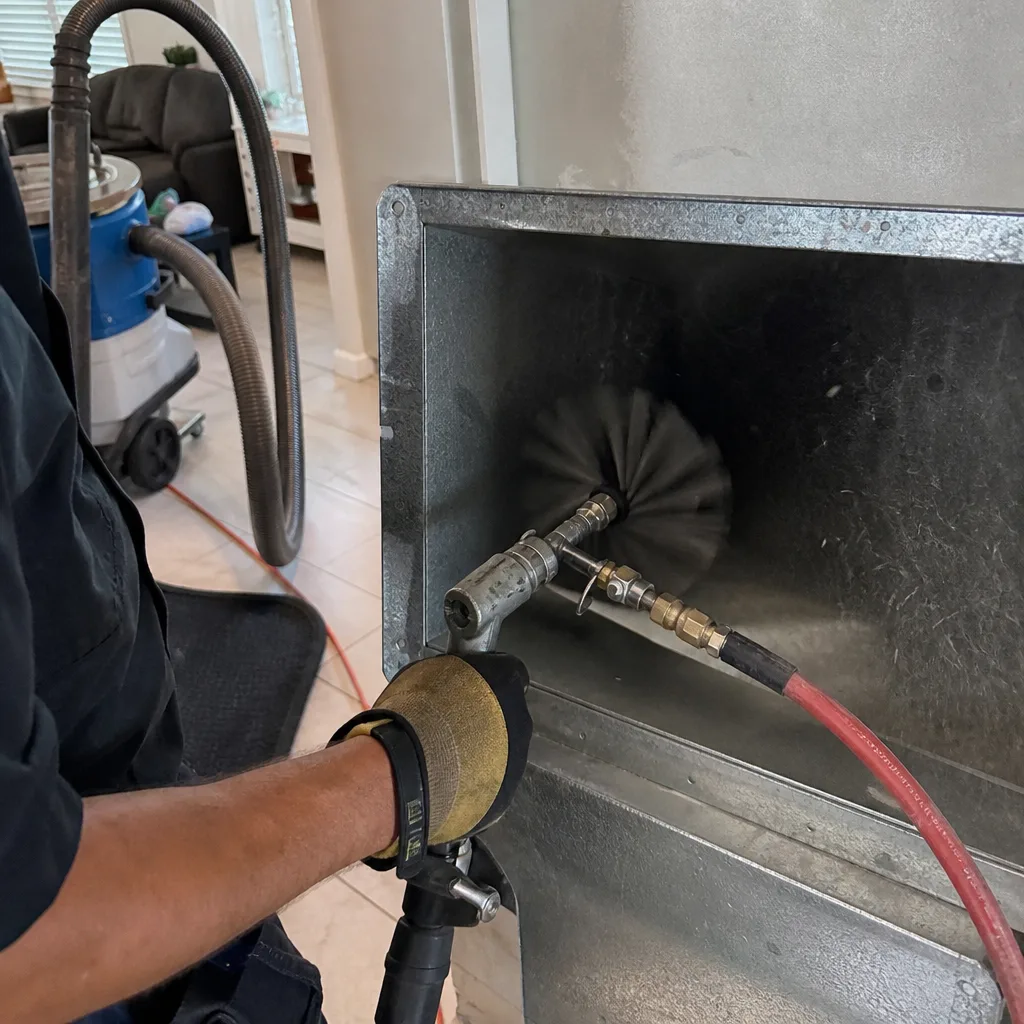
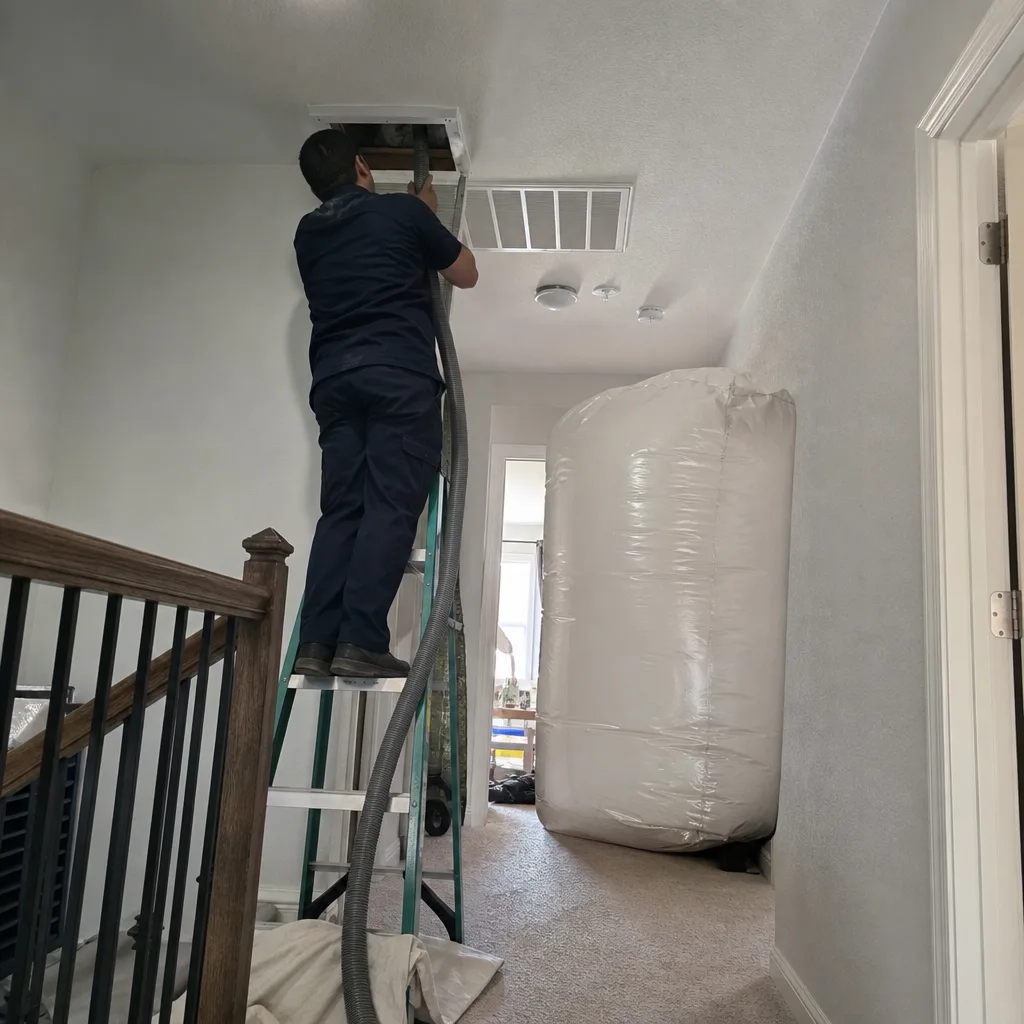
Every quote is written and delivered before work starts, Haven Standard Clause 1. What’s included: negative-pressure extraction with a Nikro HEPA collector, Rotobrush agitation for the coil face and between fins, foaming cleaner rated for aluminum-copper bimetal coils, condensate pan and drain line flush, and a Documented Photo Record of every stage, delivered as part of the standard job record. The 365-Day Done Right Promise applies in writing. We don’t quote per-vent or per-fin; one flat price per system, agreed before we touch a panel.
DIY or Call Us?
An owner can safely check three things: whether the Honeywell filter is seated properly with no bypass gap, whether the condensate drain line outside is dripping when the AC runs, and whether the outdoor condenser has visible debris on the fins. Beyond that, coil cleaning goes wrong fast. The fins are aluminum, 8-14 per inch, and bend permanently if you look at them wrong. Foaming cleaners that aren’t rated for bimetal coils corrode the copper tubing. And every year we get calls from Round Rock homeowners who sprayed water into the coil cabinet and shorted the control board.
We’re not affiliated with Honeywell; we’re an independent service provider who works on their equipment daily. If your system is under warranty, DIY coil damage isn’t covered. Call (737) 259-5752 and we’ll run the camera, show you what the coil actually looks like, and put a written price next to it before you decide.
FAQs
Most residential jobs take 90 minutes to 2.5 hours from truck arrival to final photo review. Condenser coils in open yards are faster; attic evaporators with tight access take longer. We’ll tell you the expected duration in writing with the price, before we start.
No. Once the fins are corroded or the copper tubing is compromised, cleaning won’t restore heat transfer. We photograph the coil first; if it’s damaged beyond cleaning, we’ll show you and quote replacement separately, with no pressure to proceed. Call (737) 259-5752 for an exact assessment - estimates are free.
Every 3 to 5 years for homes with proper filtration, sooner if you have pets, recent construction, or live downwind of the limestone quarries west of town. Cedar pollen season in March and April loads the coil fast; we’ve cleaned coils in Teravista that were spotless two years prior and already restricted 40% by May.
Yes. We carry Rotobrush and Nikro equipment sized for Honeywell’s standard cabinet dimensions, plus foaming cleaner rated for their bimetal coils. For coil replacement rather than cleaning, we stock common Honeywell-compatible coils and can source same-day for less common sizes through our Round Rock supplier. Call (737) 259-5752 and we’ll confirm compatibility against your model number before scheduling.
Written by Tomas Reyes, Owner, CleanRun Air Duct Cleaning Round Rock at CleanRun Air Duct Cleaning Round Rock, serving Round Rock and nearby areas.