
Whole-system duct and dryer vent check with before-and-after photos - you see exactly what came out of your vents
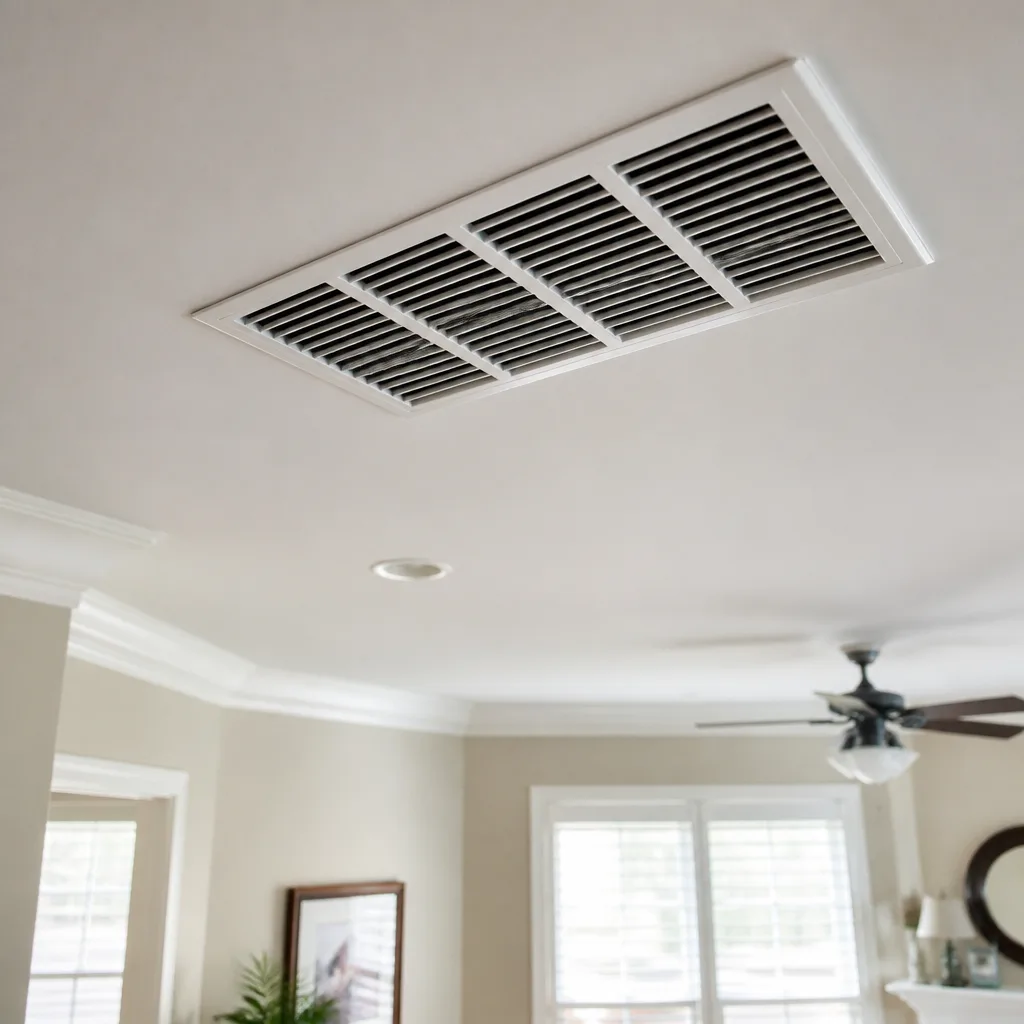
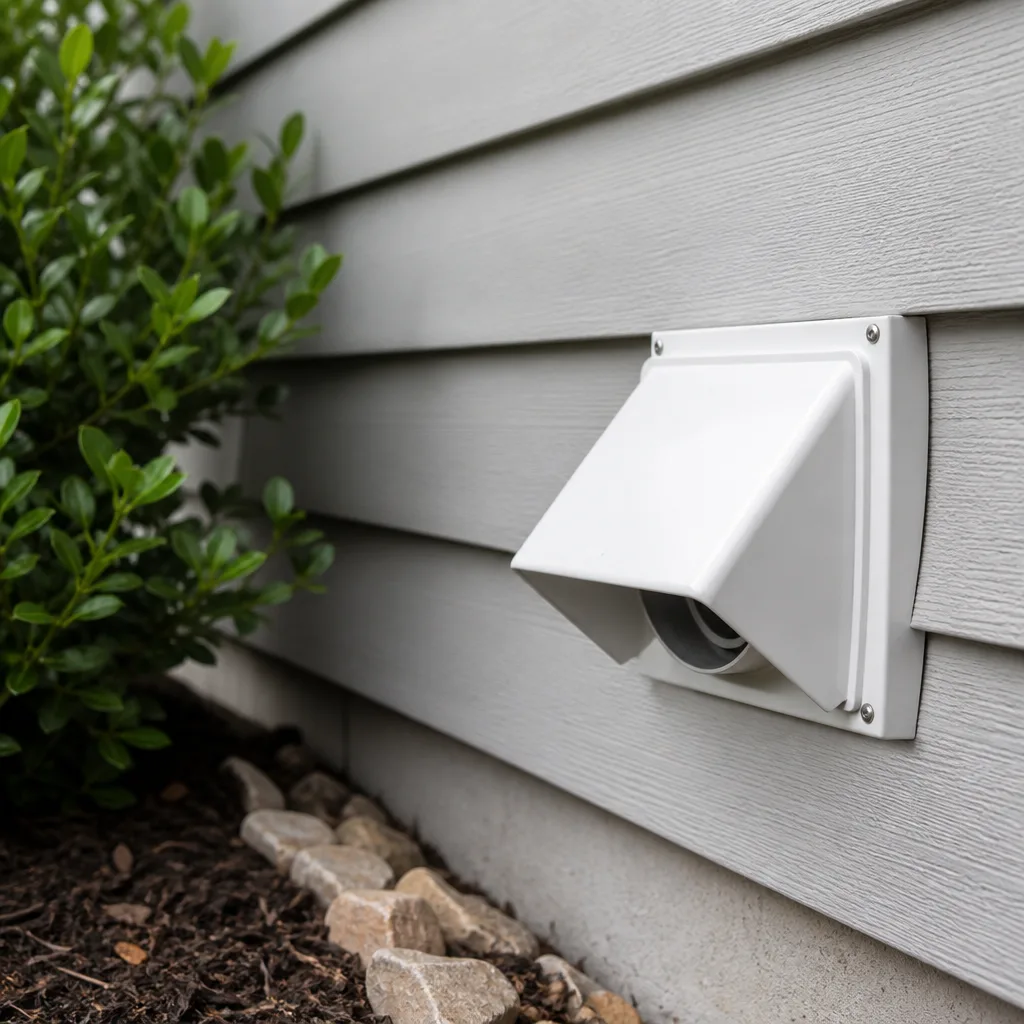
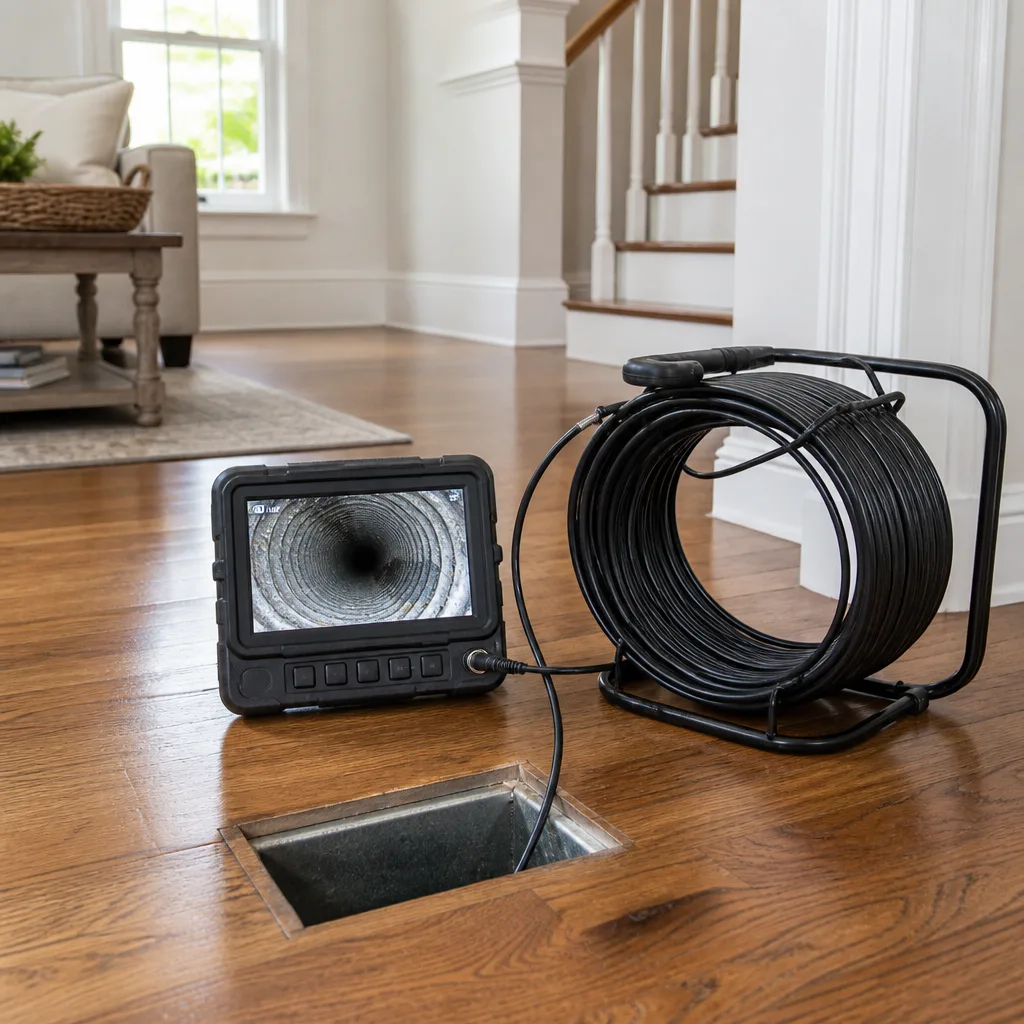
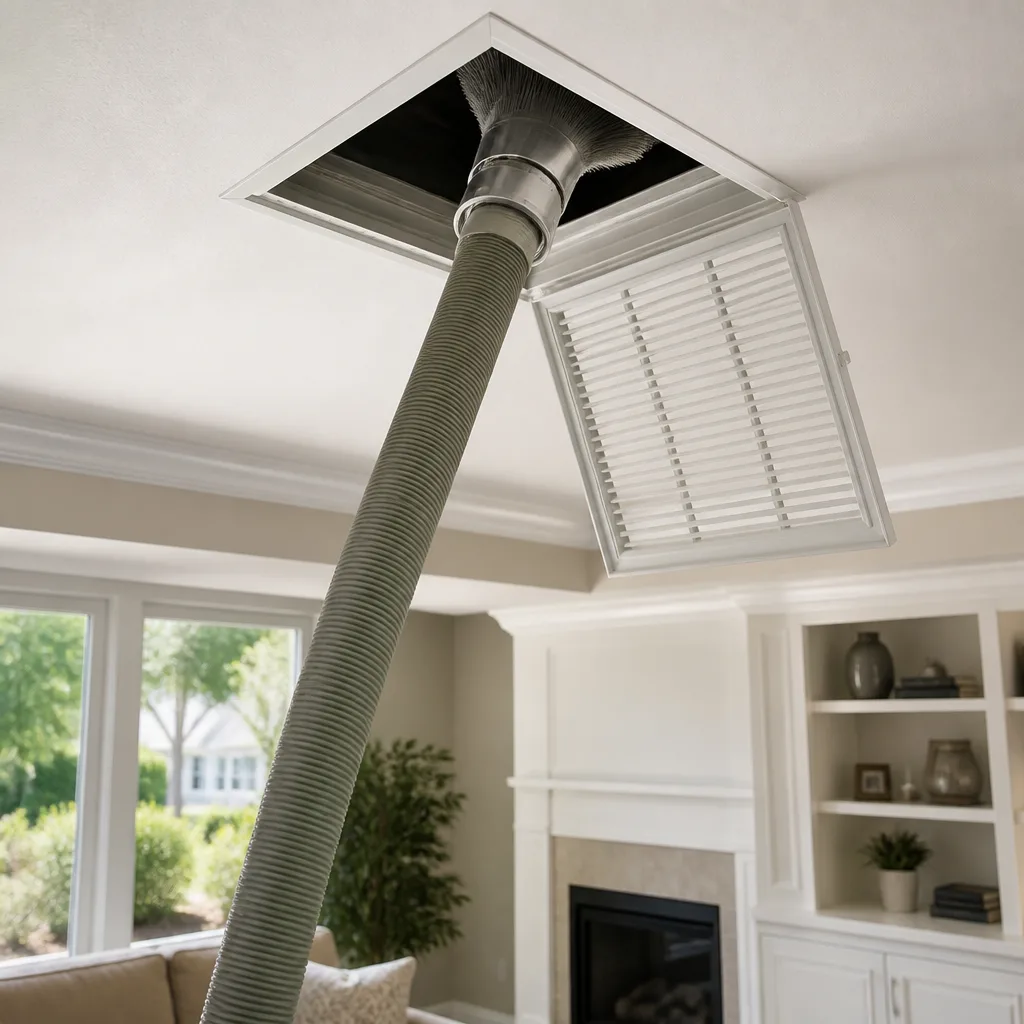
That "$99 whole-house special" is a bait ad - the real number appears once they are in your hallway, or the "clean" is a shop-vac at the register. We photograph the inside of your ducts before and after instead.
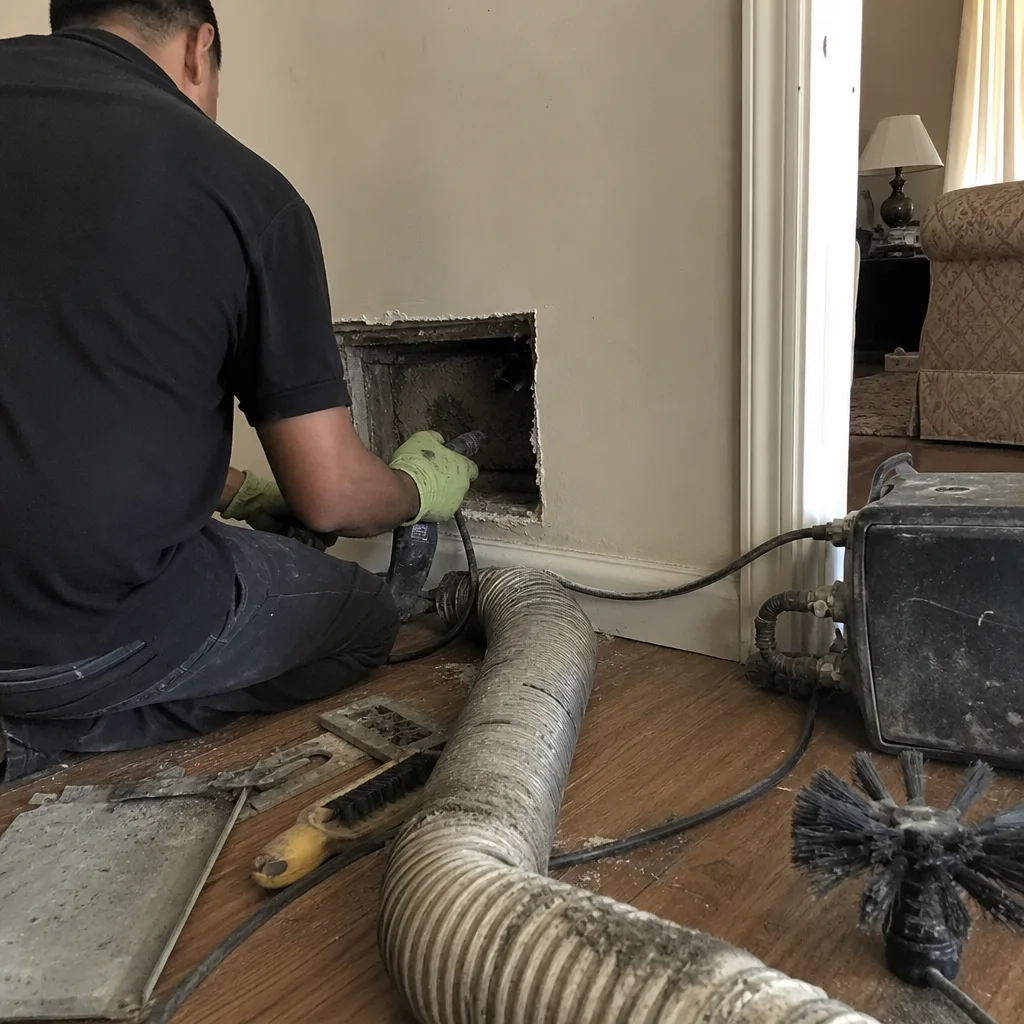 Before
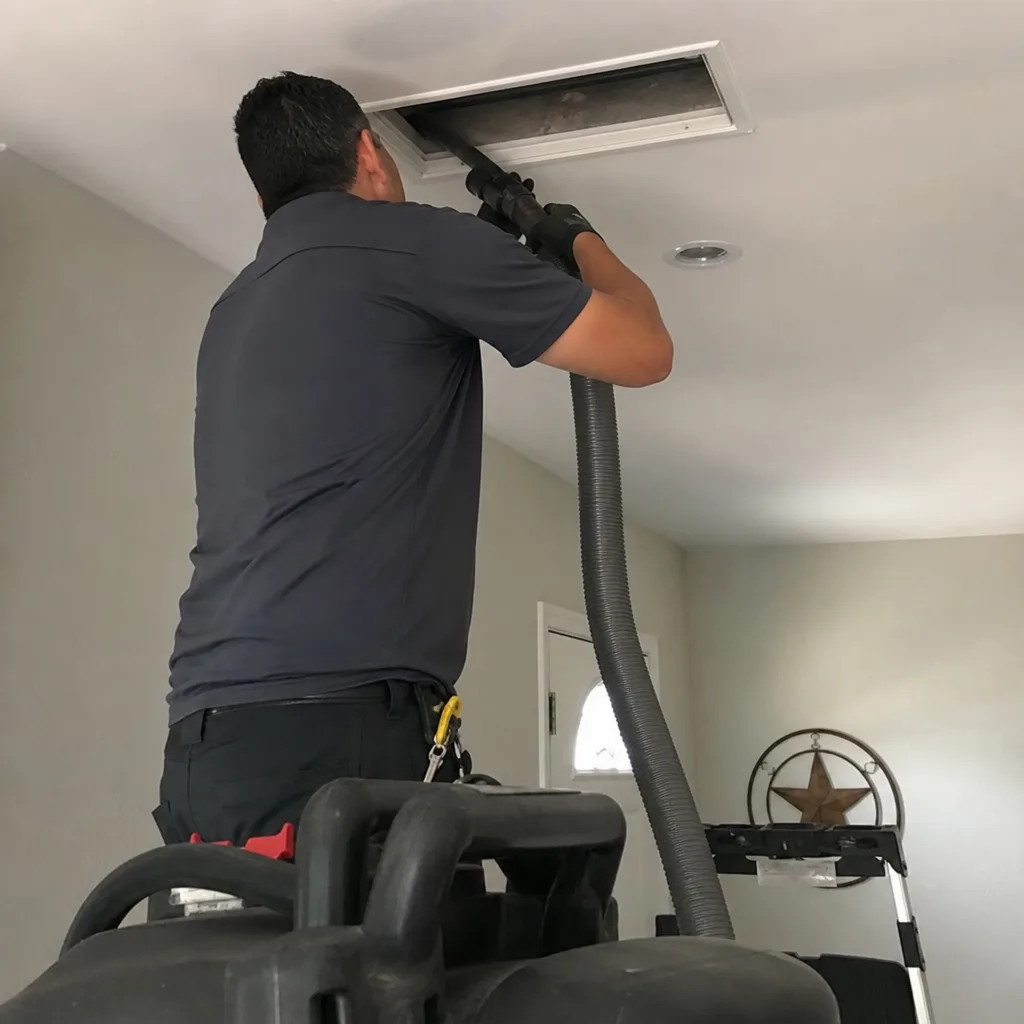 After
After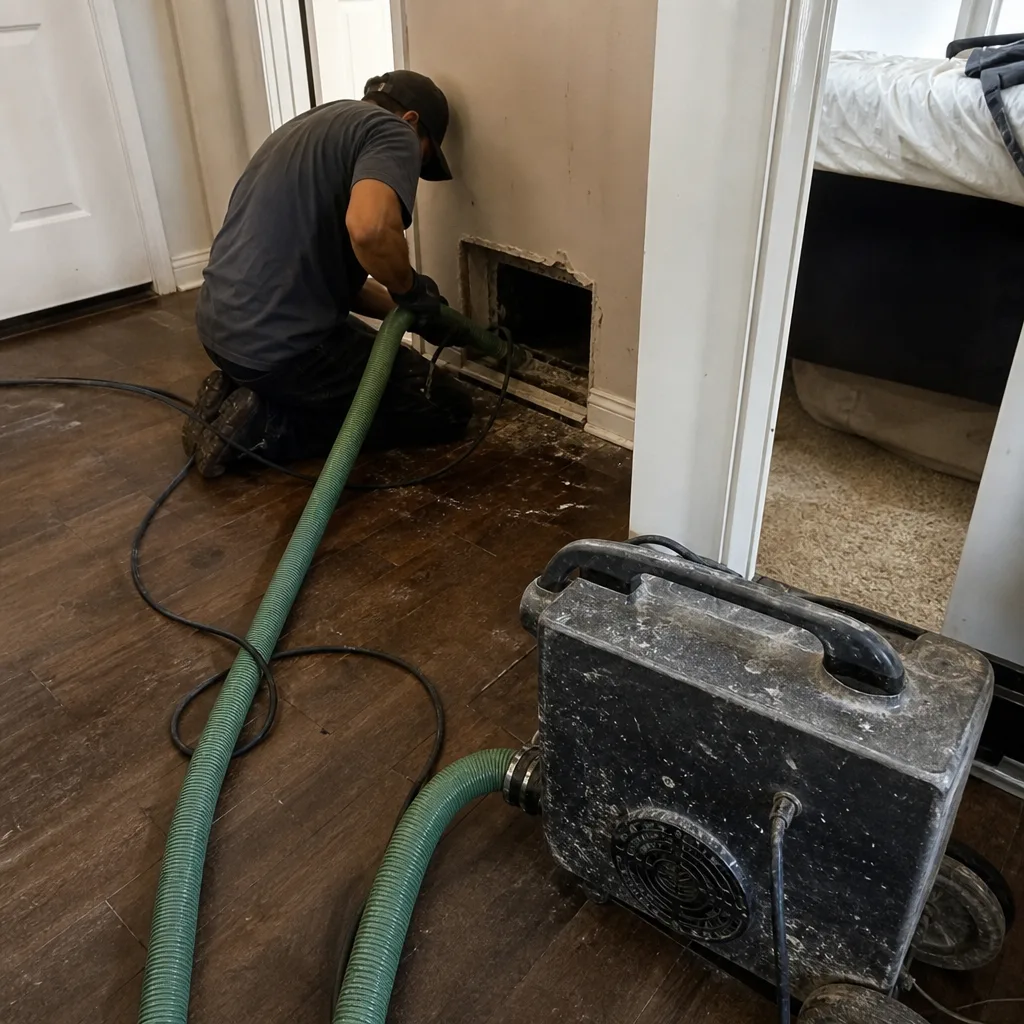 Before
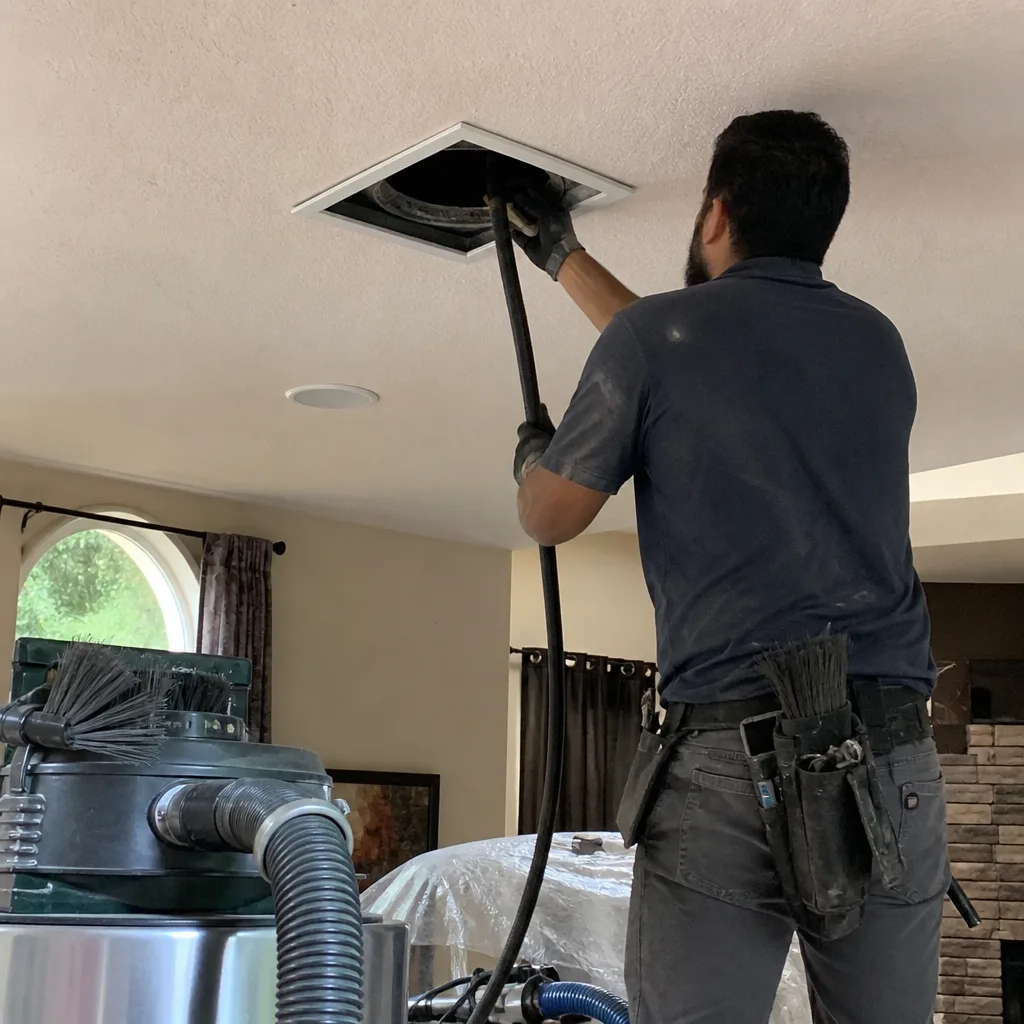 After
After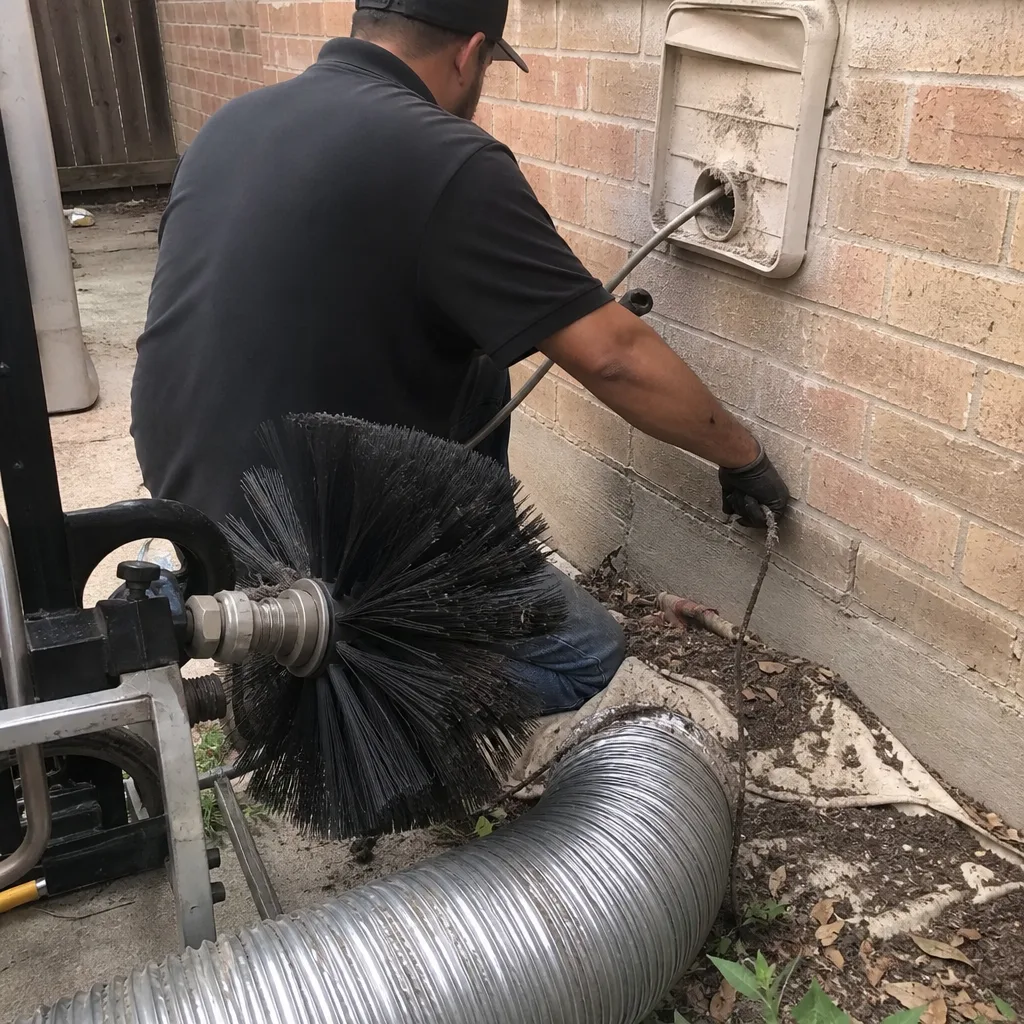 Before
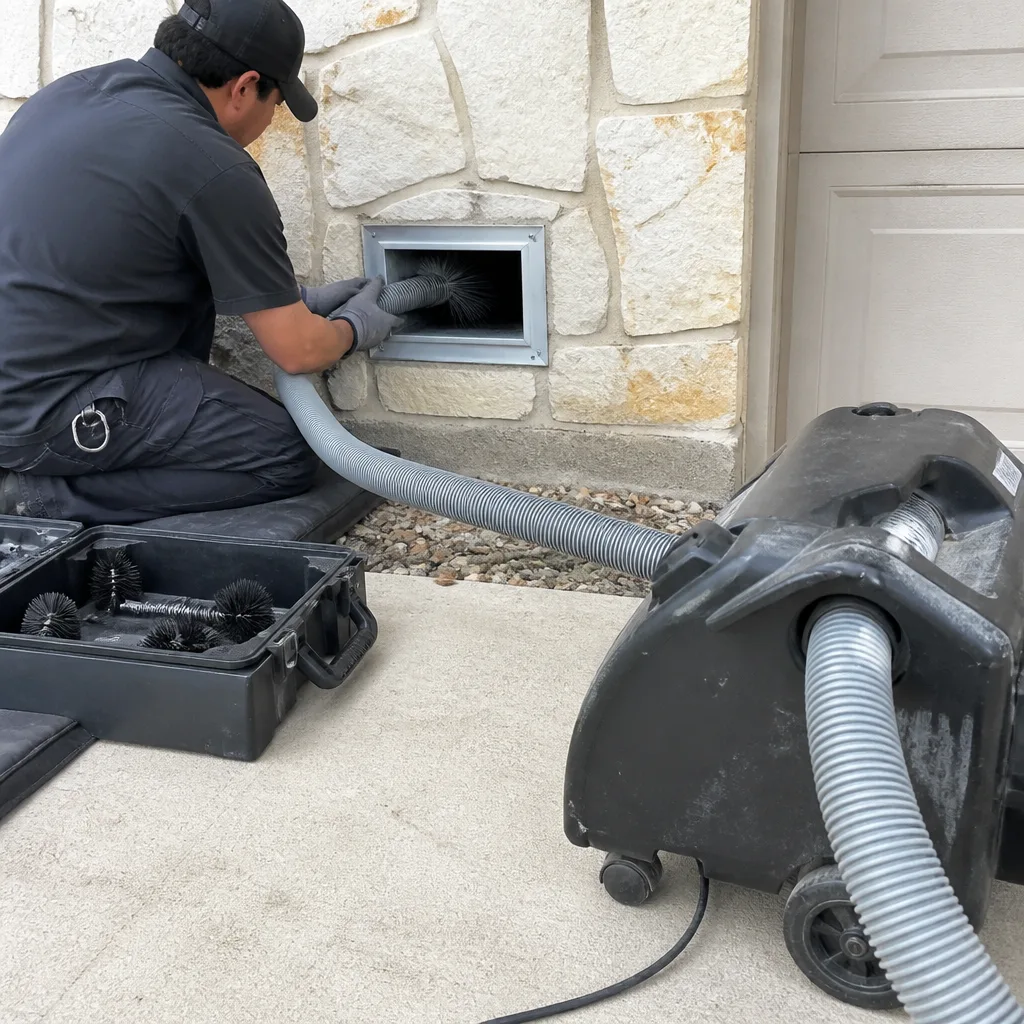 After
AfterAbatement Technologies Vent Sanitizing: The Round Rock Owner’s Guide
Abatement Technologies vent sanitizing in Round Rock typically runs $340-$520 installed for a whole-system treatment, and we stock the compatible UV-C and hydrogen-peroxide-based sanitizing modules for same-day replacement on most Abatement Technologies HEPA-AIRE and CAP series units. The camera goes in first. Then we talk. Most Round Rock homeowners realize something’s wrong when they notice a persistent musty smell returning within weeks of a standard cleaning, or when their Abatement Technologies unit’s indicator light stops cycling during what should be an active sanitizing phase.
Which Abatement Technologies Models This Applies To
The vent sanitizing components we match cover the HEPA-AIRE PAS2400, PAS3300, and PAS5000 portable air scrubber lines, plus the CAP600-UV and CAP1200-UV in-duct systems that are common in Round Rock homes built between 2015 and 2020. The critical detail is the lamp socket configuration: Abatement Technologies used a proprietary 4-pin single-ended base on pre-2019 UV modules, then shifted to standard G10q quadruple-tube bases on current production. Check the label on the lamp housing, not just the main unit serial plate. The label sits inside the access panel and lists the lamp part number (typically AB-UV4 or AB-UV6 series) plus a date code in the upper right corner.
We carry both OEM Abatement Technologies lamps and quality aftermarket equivalents from LSE Lighting that match the output spec (253.7 nanometer peak for UV-C, or 172 nm for the advanced oxidation variants). The aftermarket units run 15-20% lower on parts cost and carry the same 9,000-hour rated lifespan. For CAP series in-duct units, we also stock the replacement quartz sleeves, which crack more often than the lamps themselves in Texas attics where summer temperatures exceed 140°F.
Signs Your Abatement Technologies Vent Sanitizing Is Failing
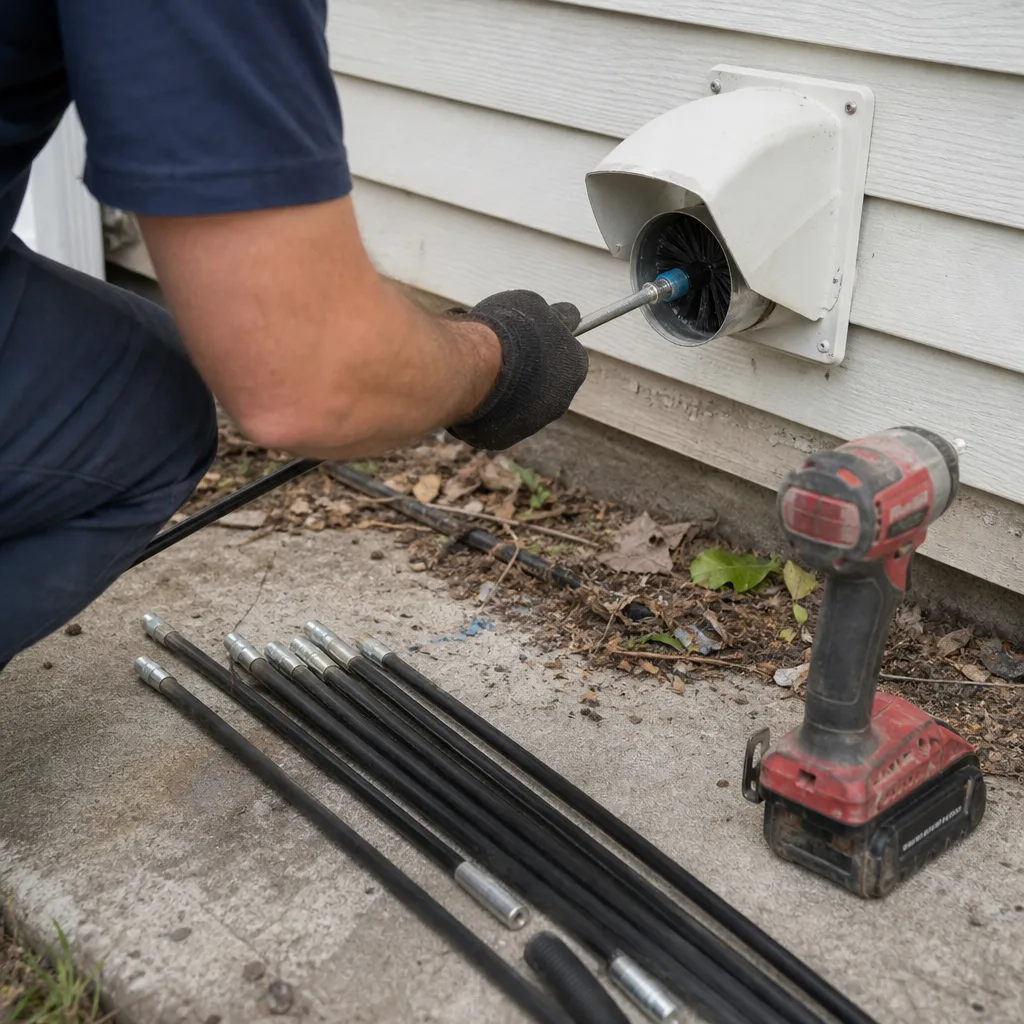
- The sanitizing indicator light stays dark or flickers intermittently. This usually means the ballast is failing to maintain the 425-milliamp strike current the lamp needs. On Abatement Technologies units, the ballast is a separate replaceable module, not built into the lamp, so a good lamp can read as bad if the ballast is weak.
- Musty or sour odors return within two to four weeks after duct cleaning. When the UV-C output drops below 40 microwatts per square centimeter, biological growth on the coil or duct walls resumes faster than before. We measure actual output with a UV radiometer, not guess by smell.
- Visible dark staining on the evaporator coil despite regular filter changes. The lamp may still light, but if the quartz sleeve is etched or coated with scale from Round Rock’s moderately hard water (grains per gallon averaging 12-15), UV transmission drops sharply. The sleeve needs removal and inspection, which most homeowners skip.
- The unit hums but produces no detectable ozone or peroxide vapor (on advanced oxidation models). The catalyst grid in CAP-series units degrades after roughly three years of continuous operation in the humidity swings of a Texas attic. Replacement requires matching the grid density to the specific CAP model; the CAP600 and CAP1200 use different cell geometries.
- Your energy bill climbs without explanation. A failing ballast draws excess current while delivering insufficient output. We’ve logged cases in Teravista homes where the ballast pulled 2.1 amps instead of the rated 0.9, adding $8-$12 monthly to the electric bill before the lamp ever showed visible symptoms.
BeforeAfterReplacement Cost & What’s Included
| Component | Parts Range | Installed Total |
|---|---|---|
| UV-C lamp only (OEM) | $140-$180 | $280-$360 |
| UV-C lamp (aftermarket equivalent) | $95-$130 | $220-$290 |
| Ballast replacement | $110-$160 | $260-$340 |
| Quartz sleeve | $45-$75 | $160-$220 |
| Full sanitizing module (lamp + ballast + sleeve) | $240-$340 | $420-$520 |
| Advanced oxidation catalyst grid (CAP series) | $180-$260 | $340-$460 |
The installed total includes removal of the old component, radiometer verification of output on the new part, reassembly, and a written test report showing before-and-after microwatt readings. Haven Standard Clause 1 applies: the written price is agreed before any panel comes off. Every sanitizing replacement in Round Rock carries the 365-Day Done Right Promise, and the photo record shows the lamp position and sleeve condition at completion. We also note the next recommended replacement date based on actual runtime hours, not calendar guessing.
DIY or Call Us?
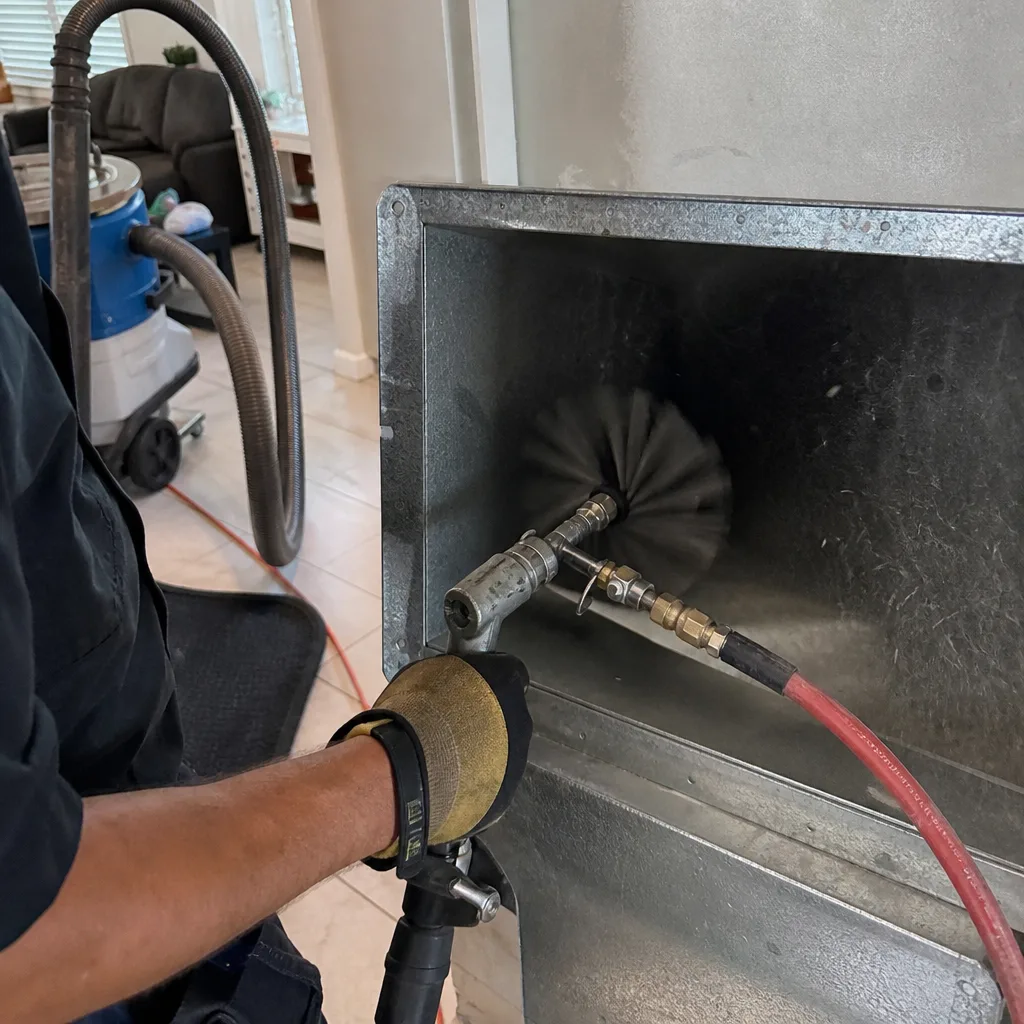
What you can safely check: confirm the unit is receiving 120V at the junction box, verify the timer or interlock switch is in the “on” position, and inspect the quartz sleeve through the viewport (if your model has one) for visible clouding or cracks. Do not attempt to remove a UV lamp or reach into the plenum while power is connected. The 253.7-nanometer wavelength causes photokeratitis, essentially a sunburn on your corneas, within seconds of direct exposure. The lamp also operates at 600-800 volts during strike, with capacitor storage that can deliver a shock after power-down.
Beyond visual checks, the work requires a radiometer to confirm output, proper disposal of mercury-containing lamps under Texas environmental rules, and often contortion in attic spaces where CAP-series units mount. We’ve replaced units in Stone Oak Ranch where the access opening was cut too small by the original installer, making even lamp extraction a two-person job with specialized tools. For the verification and documentation, call (737) 259-5752. The estimate is free, and the price is written before we touch a screw.
FAQs
Nine thousand rated hours, which translates to roughly 12-14 months of continuous operation or 3-4 years if you run it seasonally. In practice, Round Rock’s hard water and attic heat reduce effective output 20-30% before the lamp actually fails, which is why we measure with a radiometer rather than trust the indicator light. Call (737) 259-5752 and we’ll check actual output against spec during any service visit.
Ballasts and quartz sleeves can be replaced independently, but UV-C lamps are sealed units with no field-repairable components. Advanced oxidation catalyst grids degrade by surface area loss and cannot be restored. We assess each component separately and quote only what needs replacement, documented with photos. Call (737) 259-5752 for a component-level diagnosis.
Most Abatement Technologies UV module replacements take 45-90 minutes, including output verification and photo documentation. CAP-series in-duct units in tight attic spaces run toward the longer end. The job is scheduled, not rushed, and the crew will not leave until the radiometer reading is recorded in your job file.
We carry lamps, ballasts, and sleeves for HEPA-AIRE PAS and CAP series units on every truck, plus the catalyst grids for CAP600 and CAP1200 models. Less common configurations (the older 4-pin base, or the CAP1800 commercial unit) typically require a next-day parts pull, which we verify by phone before scheduling. Call (737) 259-5752 with your lamp part number and we’ll confirm same-day availability.
CleanRun Duct Repair & Cleaning is an independent service provider, not affiliated with Abatement Technologies. We also stock parts for Lennox, Trane, and Carrier sanitizing and air quality systems.
Written by Tomas Reyes, Owner, CleanRun Air Duct Cleaning Round Rock at CleanRun Air Duct Cleaning Round Rock, serving Round Rock and nearby areas.