
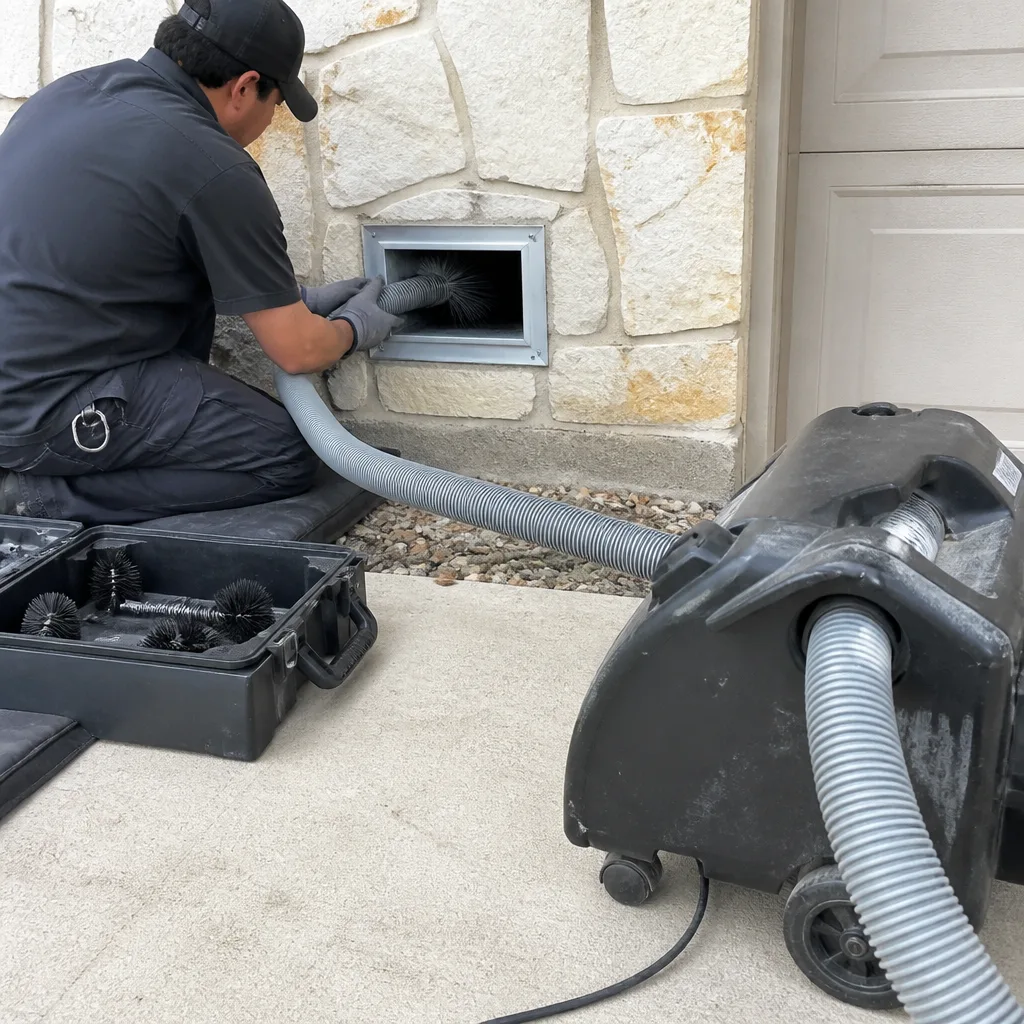
Whole-system duct and dryer vent check with before-and-after photos - you see exactly what came out of your vents
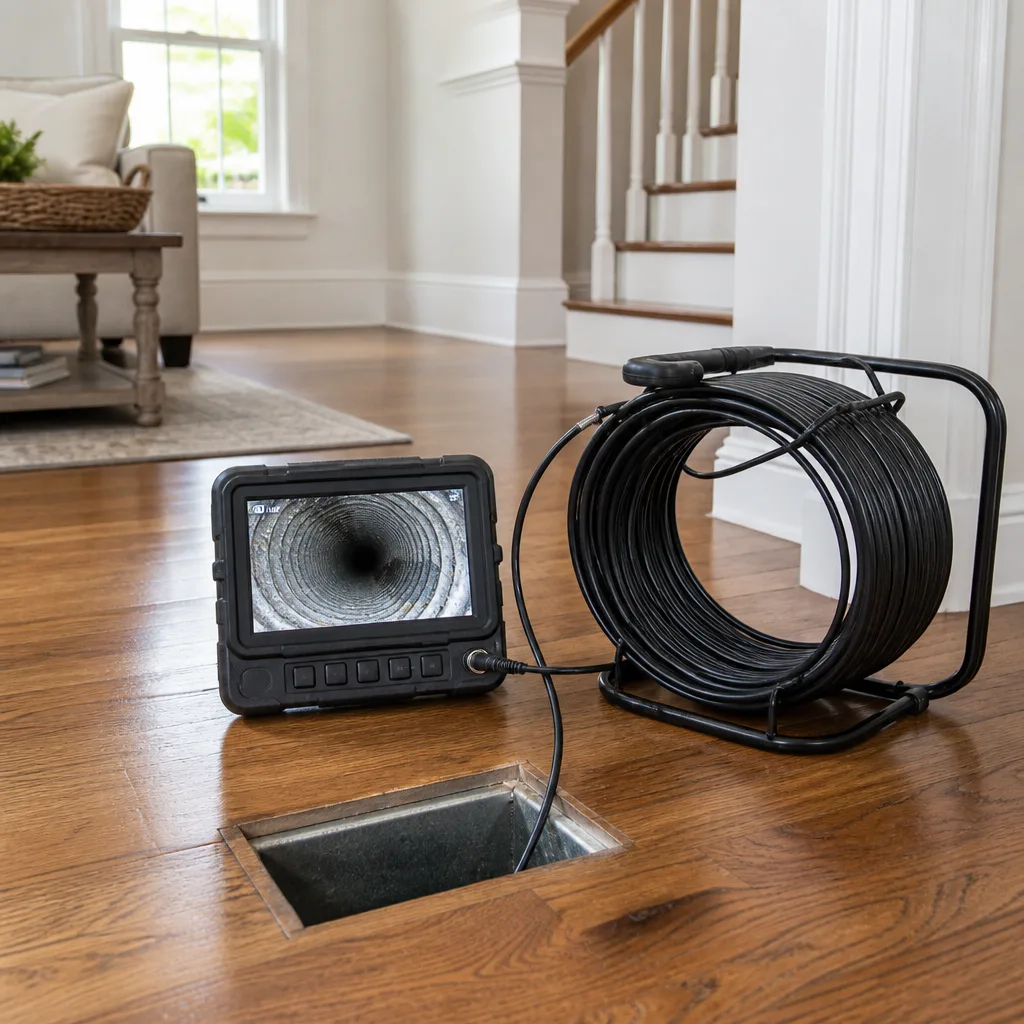
That "$99 whole-house special" is a bait ad - the real number appears once they are in your hallway, or the "clean" is a shop-vac at the register. We photograph the inside of your ducts before and after instead.
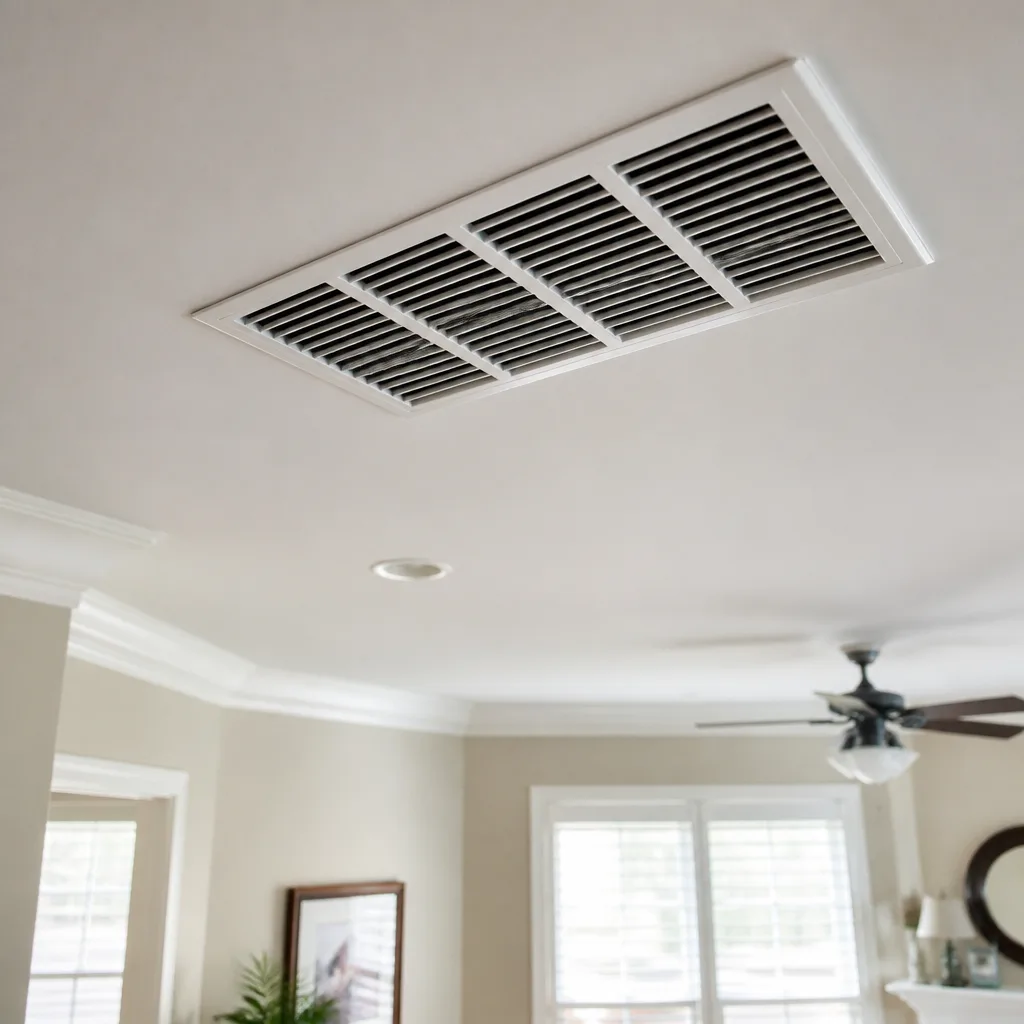
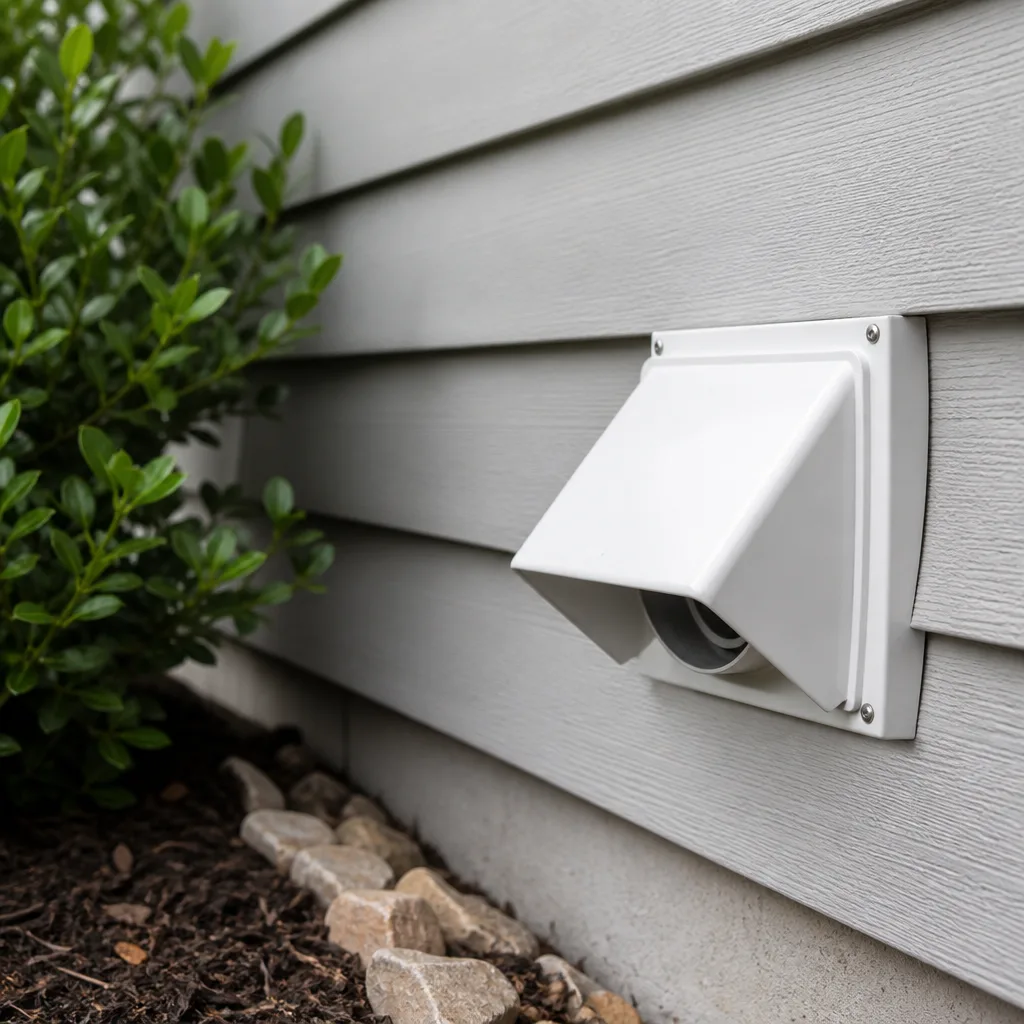
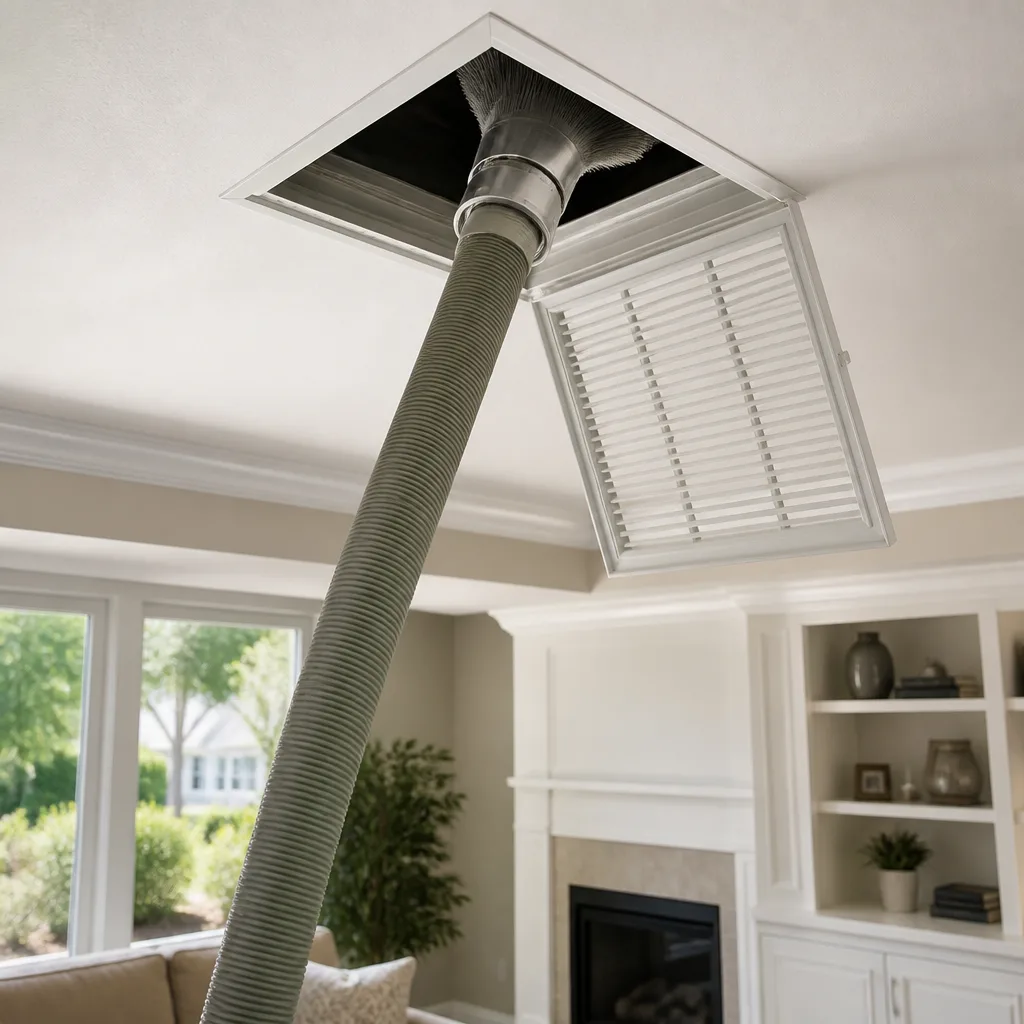
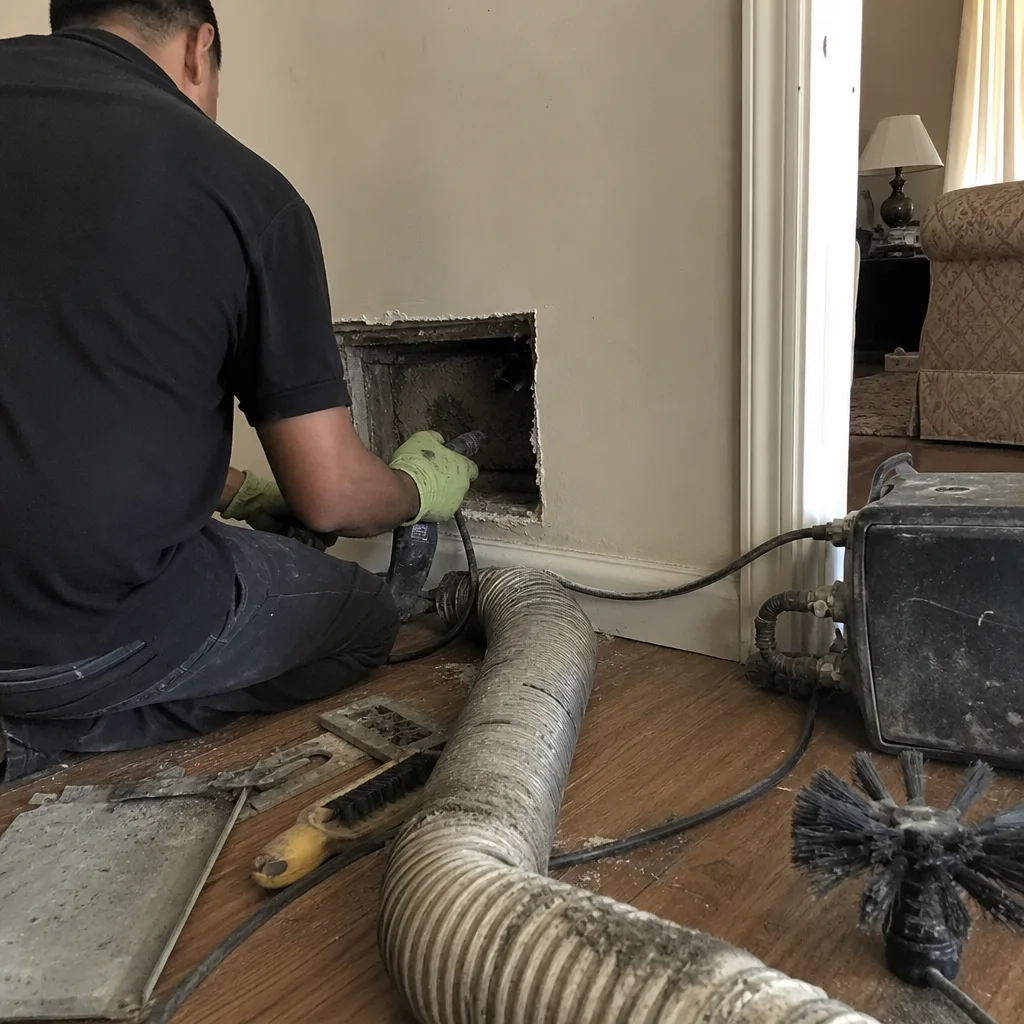 Before
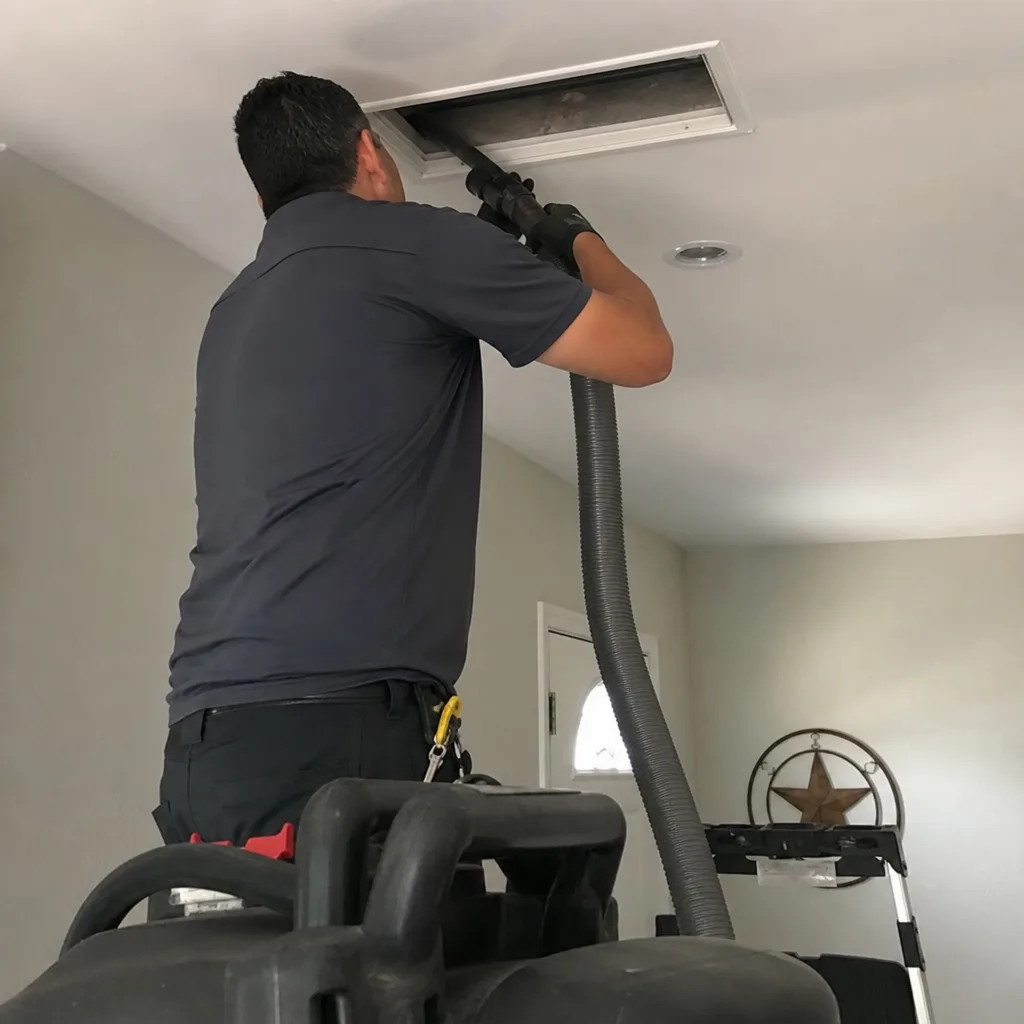 After
After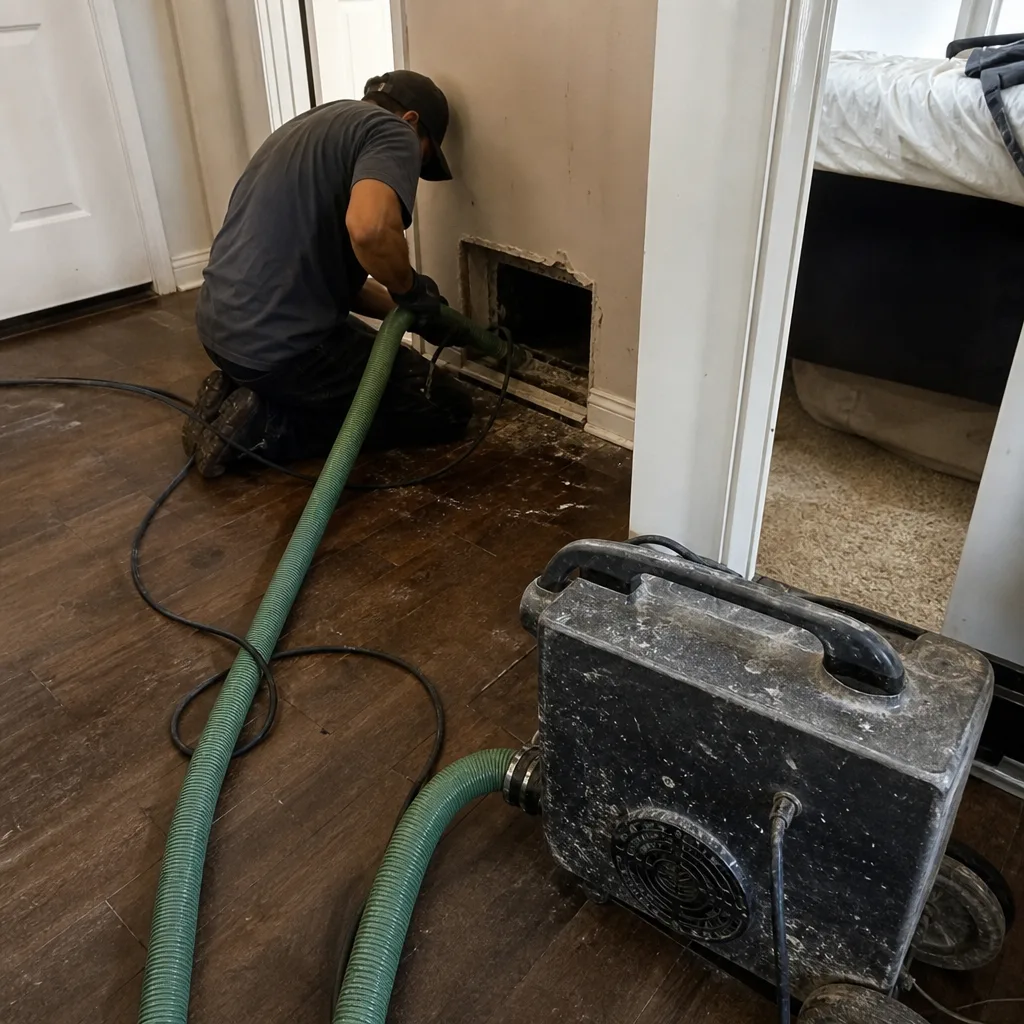 Before
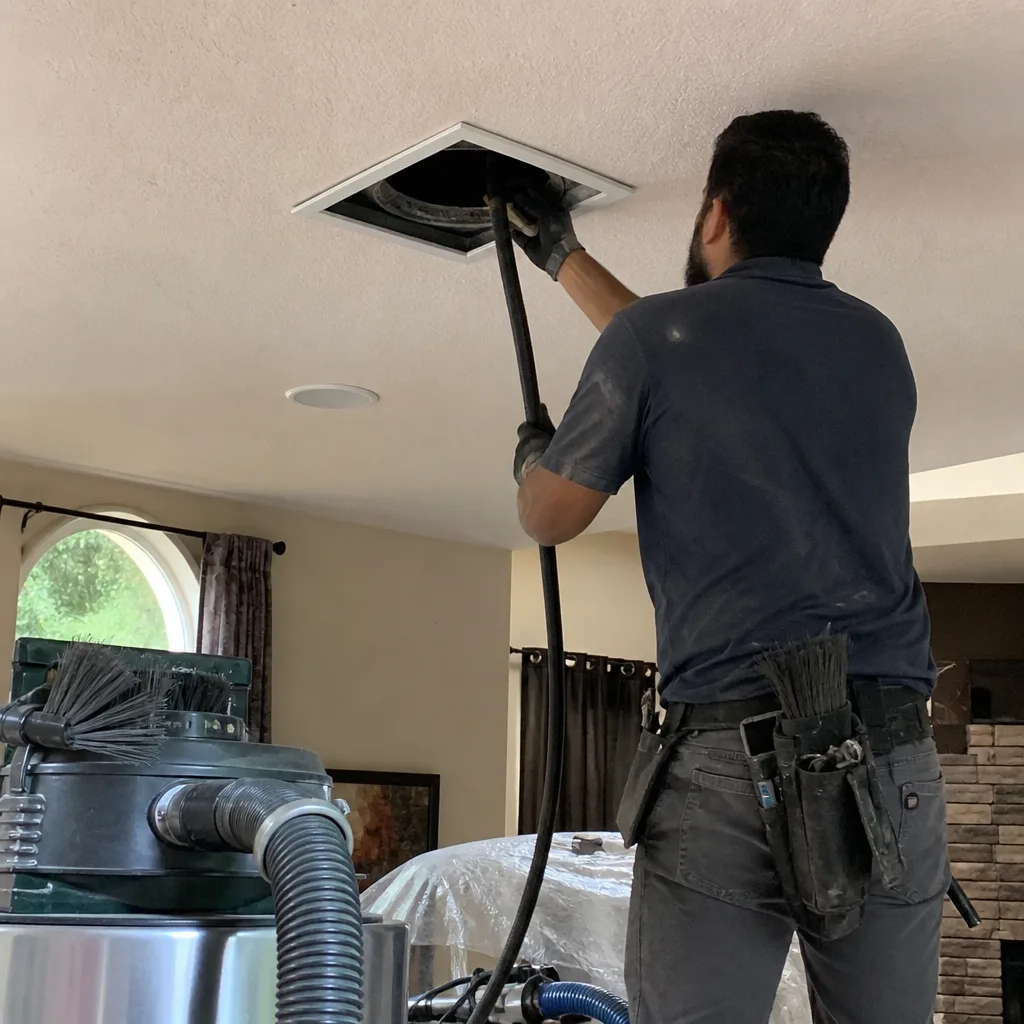 After
After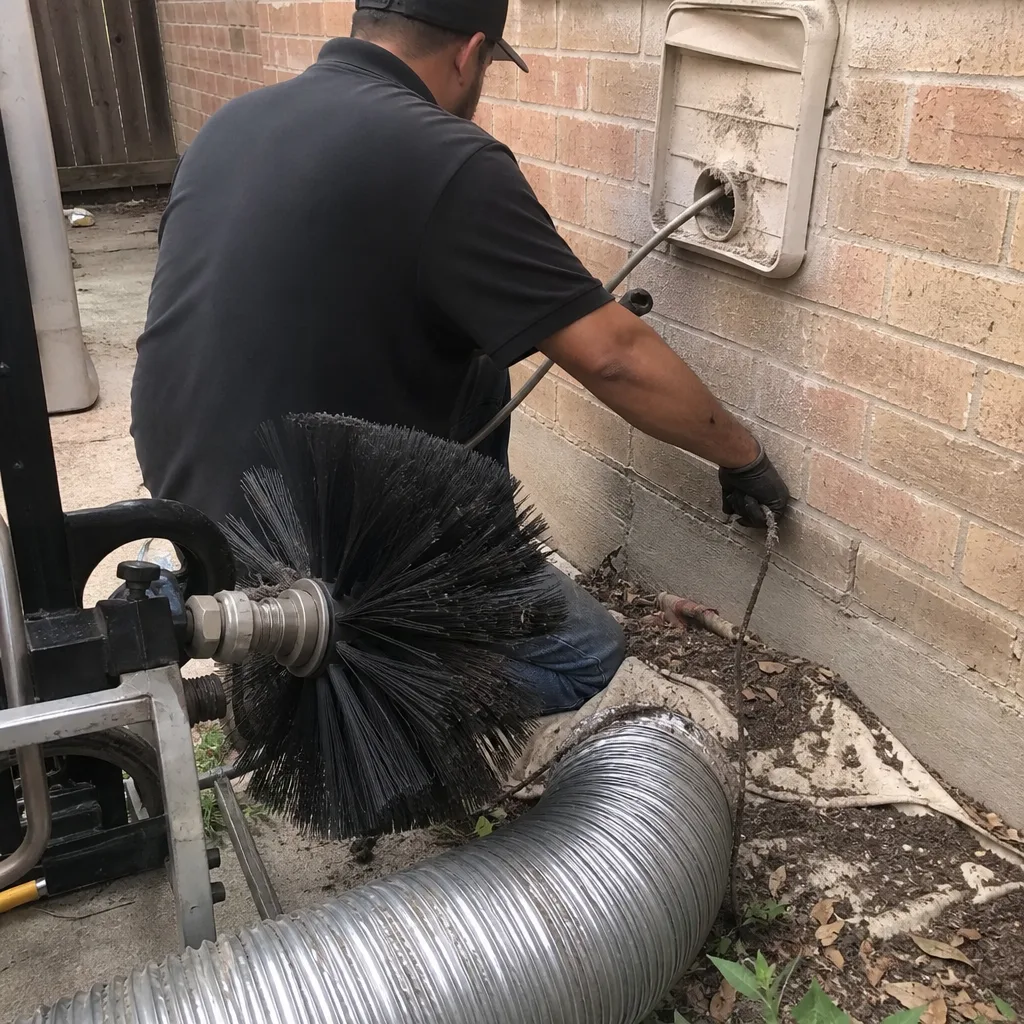 Before
 After
AfterHoneywell Register & Grille Cleaning: The Round Rock Owner’s Guide
Honeywell register and grille cleaning in Round Rock typically runs $180-$340 for a full system service, with most jobs completed in a single visit. We stock Honeywell-compatible tools and cleaning attachments for the most common residential series, including HEPA-Clean, Enviracaire, and whole-home ventilation grilles found in homes built from 2015 onward. Most Round Rock homeowners notice a problem when airflow drops in one room or when the grille surface shows discoloration that won’t wipe clean.
The camera goes in first. Then we talk. We’ve pulled grilles in Teravista homes where the backside was coated with construction dust from 2017 build-out, and in older Stone Oak Ranch properties where cedar pollen had packed the vanes solid. What looks like a surface wipe often hides a deeper issue.
Which Honeywell Models This Applies To
Honeywell labels its registers and grilles across several residential lines, and the cleaning approach differs by series. The HEPAClean series (models HHT-xxx and HPA-xxx prefixes) uses snap-fit grilles with plastic vanes that flatten under aggressive brush pressure. The Enviracaire line (EDE/EDP prefixes) runs metal construction with finer mesh screens behind the faceplate. Whole-home ventilation grilles tied to Honeywell ERV and HRV units (VNT-xxx series) integrate directly with duct trunks and require negative-pressure extraction rather than surface brushing.
Identification starts with the label inside the grille frame or on the duct boot behind it. If the label’s worn off, measure the faceplate (standard Honeywell residential sizes are 10×6, 12×6, and 14×8 inches) and note vane count. HEPAClean units carry 7 vanes; Enviracaire carries 9. We stock Rotobrush and Nikro attachments sized for each. Aftermarket cleaning heads fit most Honeywell grilles, but the HRV/ERV integrated units need OEM-compatible extraction wands to avoid damaging the damper linkage. That’s a compatibility gotcha we’ve seen cost homeowners a full grille replacement.
CleanRun Air Duct Cleaning Round Rock is an independent service provider, not affiliated with Honeywell. We also stock parts for Lennox, Trane, and Carrier systems.
Signs Your Honeywell Register & Grille Cleaning Is Failing
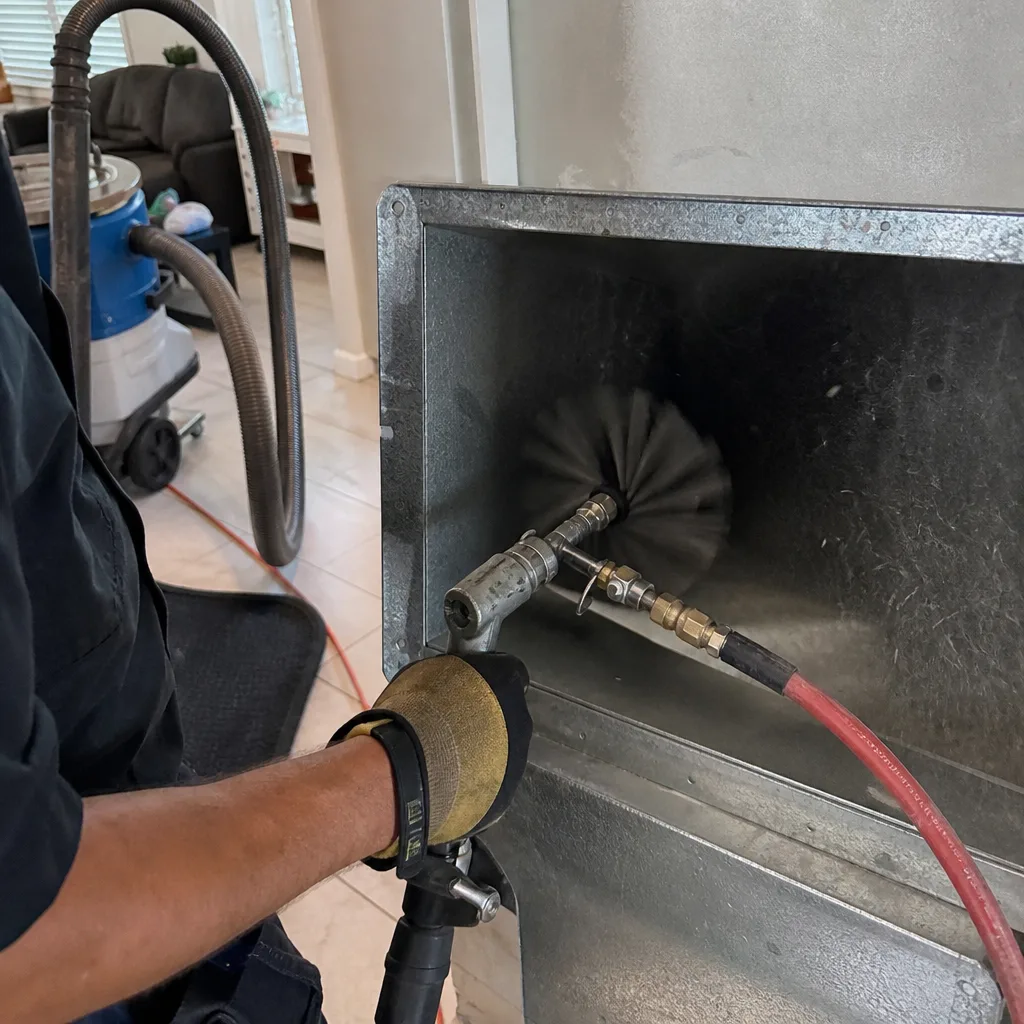
- Uneven airflow from room to room. One register blows strong while the next barely moves a curtain. The cause is usually debris packed behind the grille, creating a partial blockage at the duct boot. In Round Rock’s clay-heavy soil zones, we’ve seen fine dust harden into a crust that simple vacuuming won’t dislodge.
- Visible staining or discoloration on the grille face. Brown or gray marks that return after wiping indicate the grille is shedding accumulated debris each time the HVAC cycles. The plastic vanes on HEPAClean units are particularly prone to this when the backside hasn’t been accessed in 3+ years.
- Musty odor when the system kicks on. The grille itself isn’t the source, but it’s the exit point for microbial growth living on the duct boot behind it. Honeywell’s mesh-backed Enviracaire grilles trap moisture against the metal, accelerating this in humid months.
- Rattling or vibration at certain fan speeds. Debris buildup can unbalance the grille in its frame, or the mounting tabs may have fatigued. HEPAClean plastic tabs crack more readily than the metal spring clips on Enviracaire units.
- Increased dust accumulation on furniture near the register. The grille vanes are no longer directing airflow properly; instead, they’re turbulent, depositing particulate that should have stayed in the duct. We documented this exact pattern in a Teravista home where the vanes had been bent by a previous DIY cleaning attempt.
BeforeAfterReplacement Cost & What’s Included
| Service | Price Range |
|---|---|
| Standard register & grille cleaning (1-3 grilles) | $180-$240 |
| Whole-home system (8-12 grilles, typical 2,000 sq ft) | $280-$340 |
| HRV/ERV integrated grille with negative-pressure extraction | $320-$380 |
The range reflects grille count, accessibility (crawl space runs add time), and whether the duct boot behind the grille needs separate cleaning. Every quote is written before work starts, per Haven Standard Clause 1. The price includes removal, cleaning with professional-grade equipment, reinstallation, and a Documented Photo Record of each grille before and after. The 365-Day Done Right Promise covers the work in writing.
DIY or Call Us?
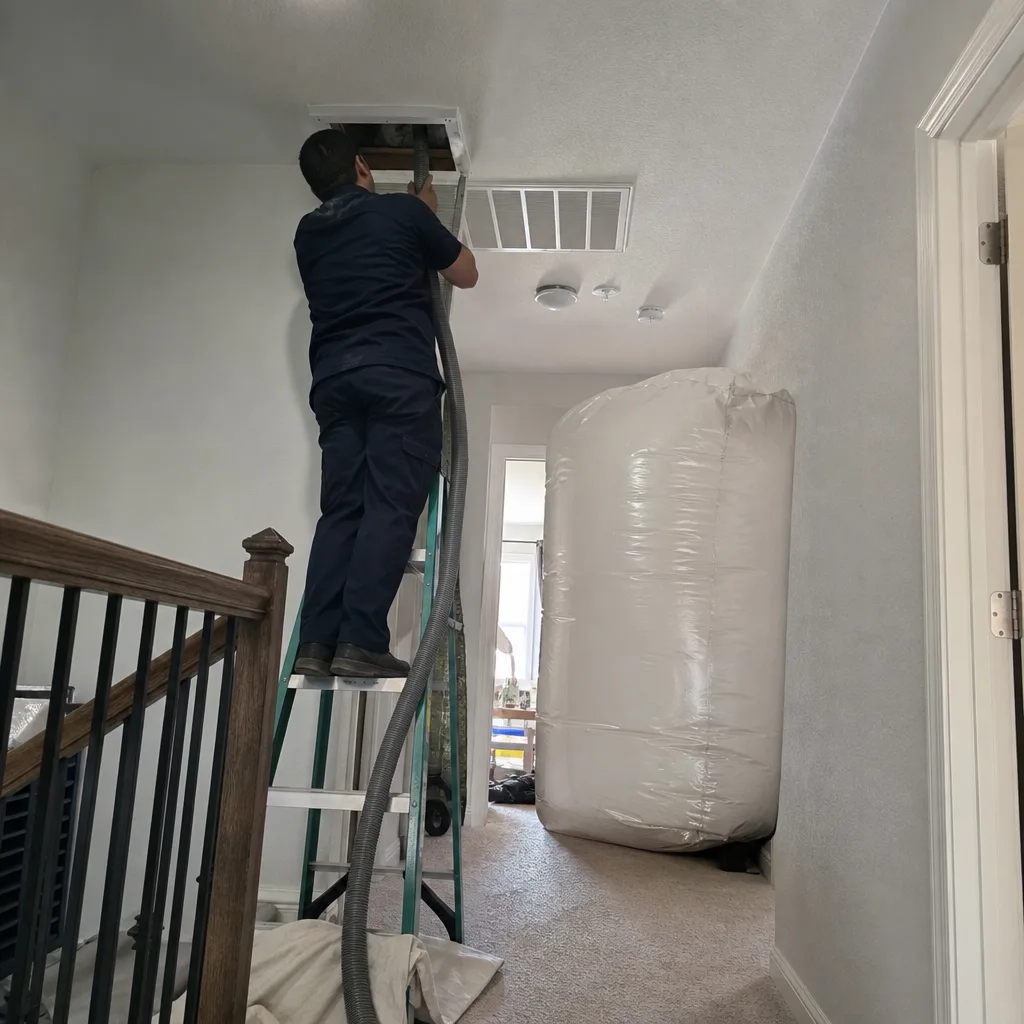
What you can safely check: remove the grille by releasing the spring clips or unscrewing the faceplate. Look behind it with a flashlight. If you see surface dust only, a soft brush and vacuum may suffice. Note the vane direction before removal so you can restore proper airflow angle.
Where DIY goes wrong: aggressive brushing bends vanes permanently, especially on HEPAClean plastic units. Compressed air without containment blasts debris into the room, not out of it. And without a camera inspection of the duct boot, you’re cleaning the visible 10% while missing the packed debris that actually restricts airflow. The metal edges on older Enviracaire grilles can cut hands if handled without gloves. If the grille is integrated with an HRV or ERV unit, the damper linkage behind it is easy to disturb.
We’re background-checked, uniformed, and identified by name before arrival, under Haven Standard Clause 3: Verified Crews. Call (737) 259-5752 for a written estimate.
FAQs
Plastic HEPAClean grilles typically show fatigue at 8-12 years in Texas heat; metal Enviracaire units often reach 15-20 years if cleaned on a reasonable schedule. Cedar pollen and construction dust in newer Round Rock neighborhoods accelerate vane wear. Call (737) 259-5752 for an exact quote on cleaning or replacement.
Bent or cracked vanes cannot be restored to original airflow performance; the grille needs replacement. Surface soiling and moderate debris buildup respond fully to professional cleaning. We photograph the condition before quoting so you can see which category yours falls into.
A standard residential system with 8-12 grilles takes 2.5 to 4 hours, including setup, cleaning, and documentation. HRV/ERV integrated units add 45 minutes for careful damper protection. We schedule by the job, not the hour, so the crew stays until the photo record is complete.
Yes. Our trucks carry Rotobrush and Nikro attachments sized for HEPAClean, Enviracaire, and HRV/ERV grille profiles, plus Abatement Technologies negative-pressure gear for integrated units. We also stock Guardsman protective covers for surrounding finishes.
Written by Tomas Reyes, Owner, CleanRun Air Duct Cleaning Round Rock at CleanRun Air Duct Cleaning Round Rock, serving Round Rock and nearby areas.