
Whole-system duct and dryer vent check with before-and-after photos - you see exactly what came out of your vents
That "$99 whole-house special" is a bait ad - the real number appears once they are in your hallway, or the "clean" is a shop-vac at the register. We photograph the inside of your ducts before and after instead.
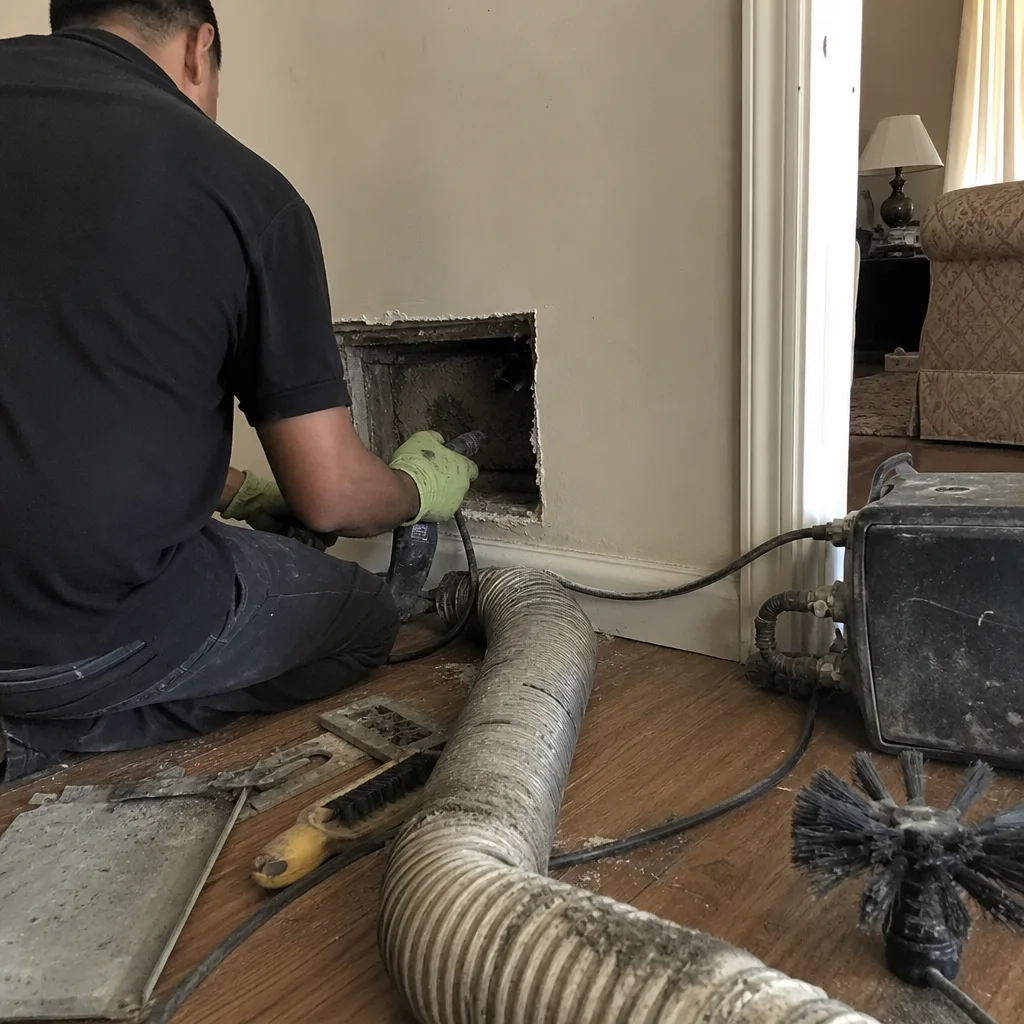 Before
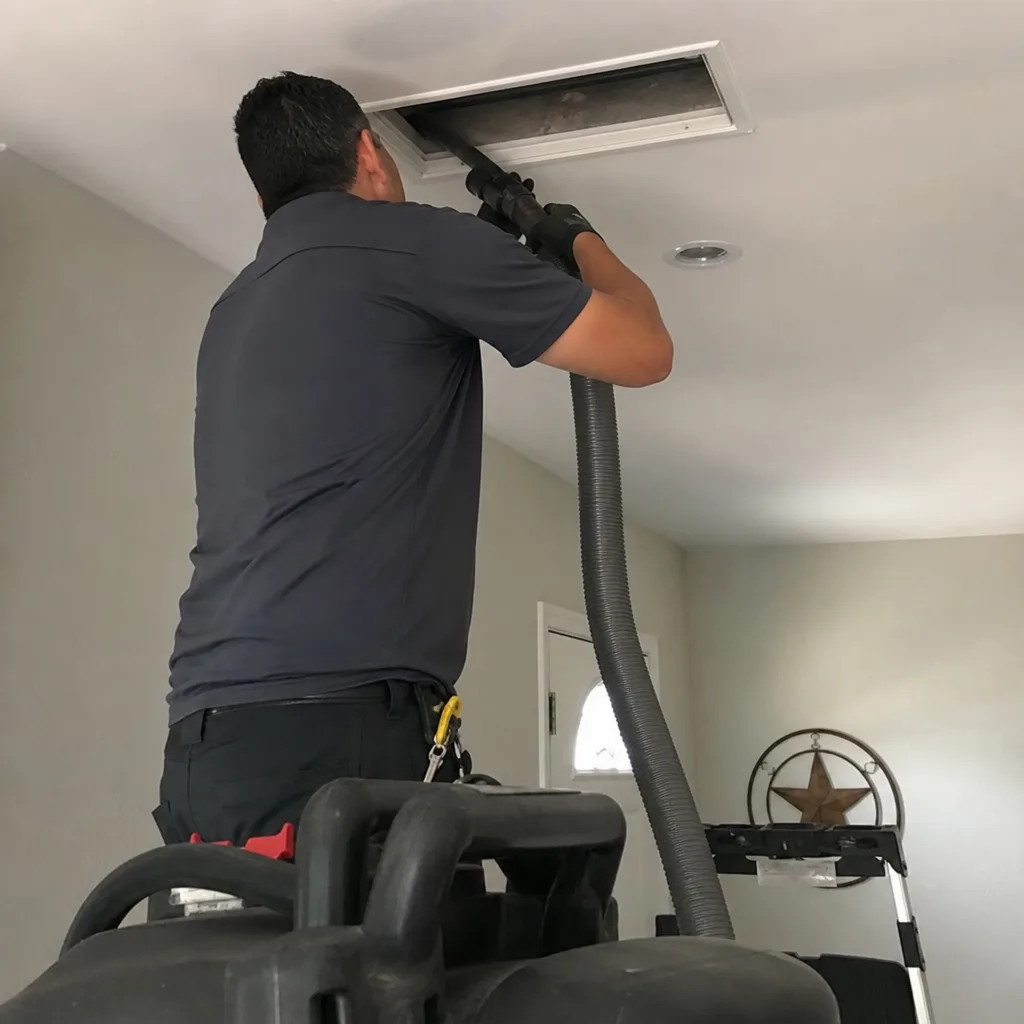 After
After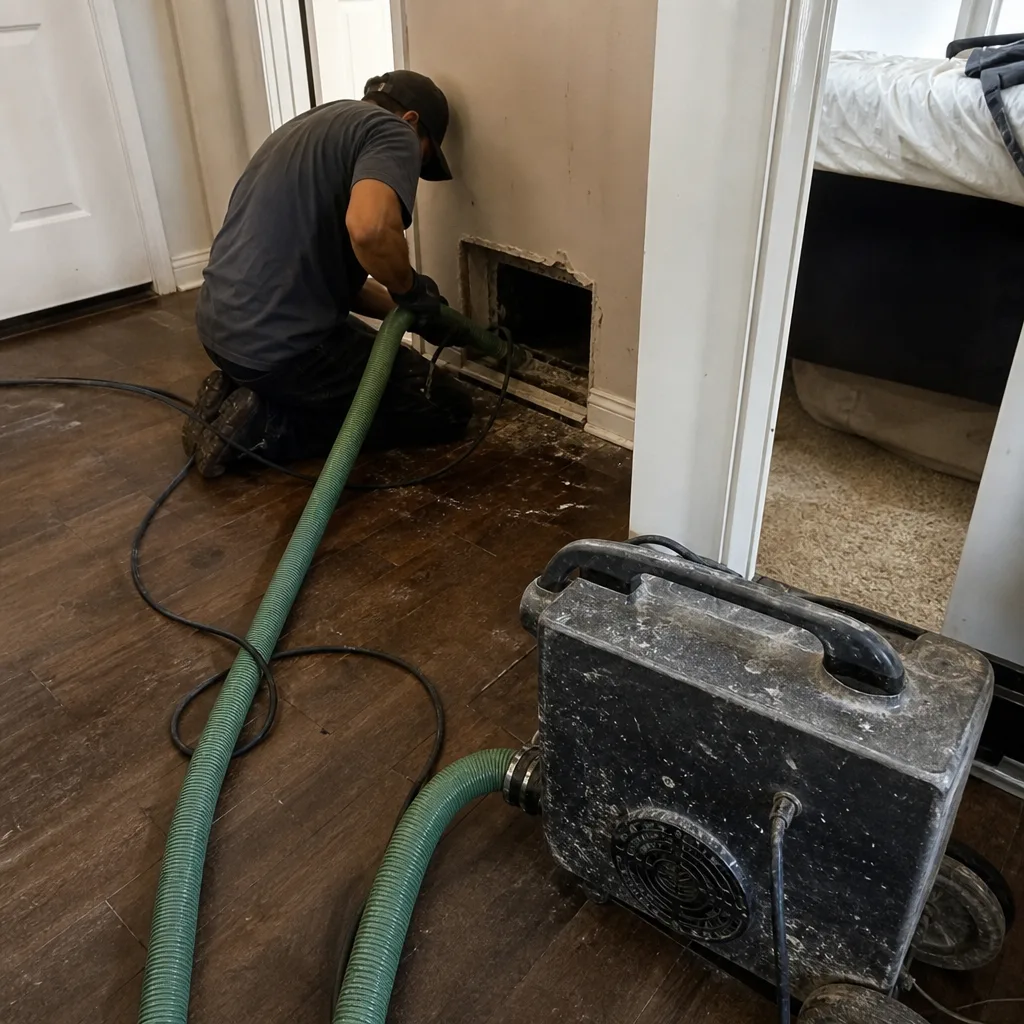 Before
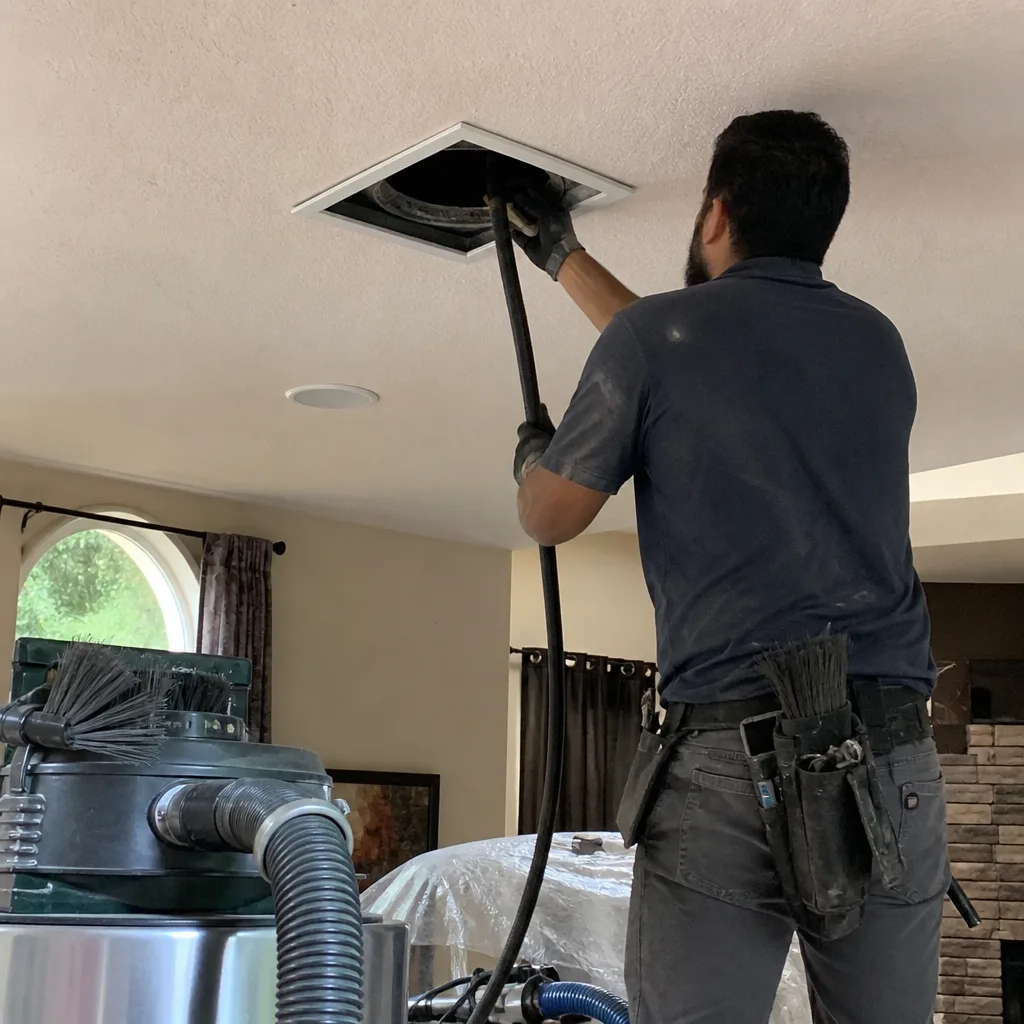 After
After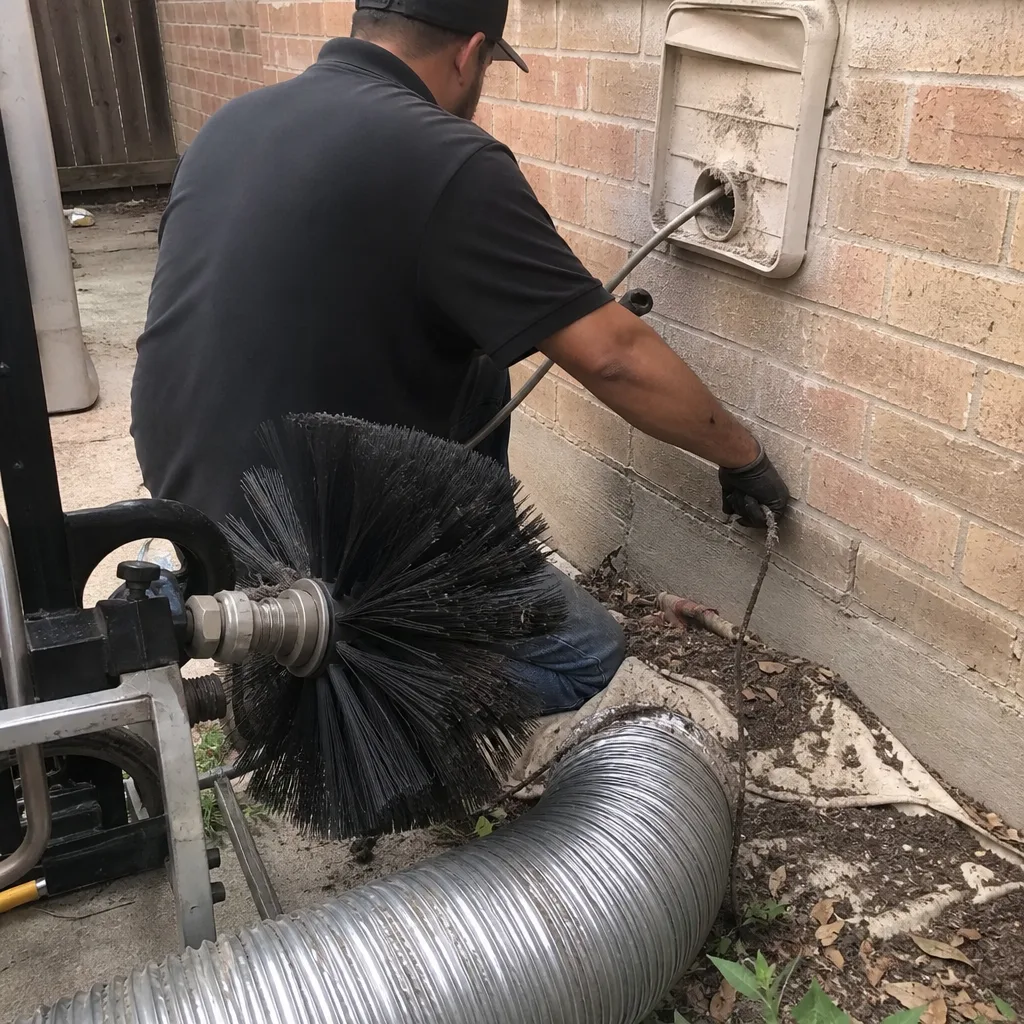 Before
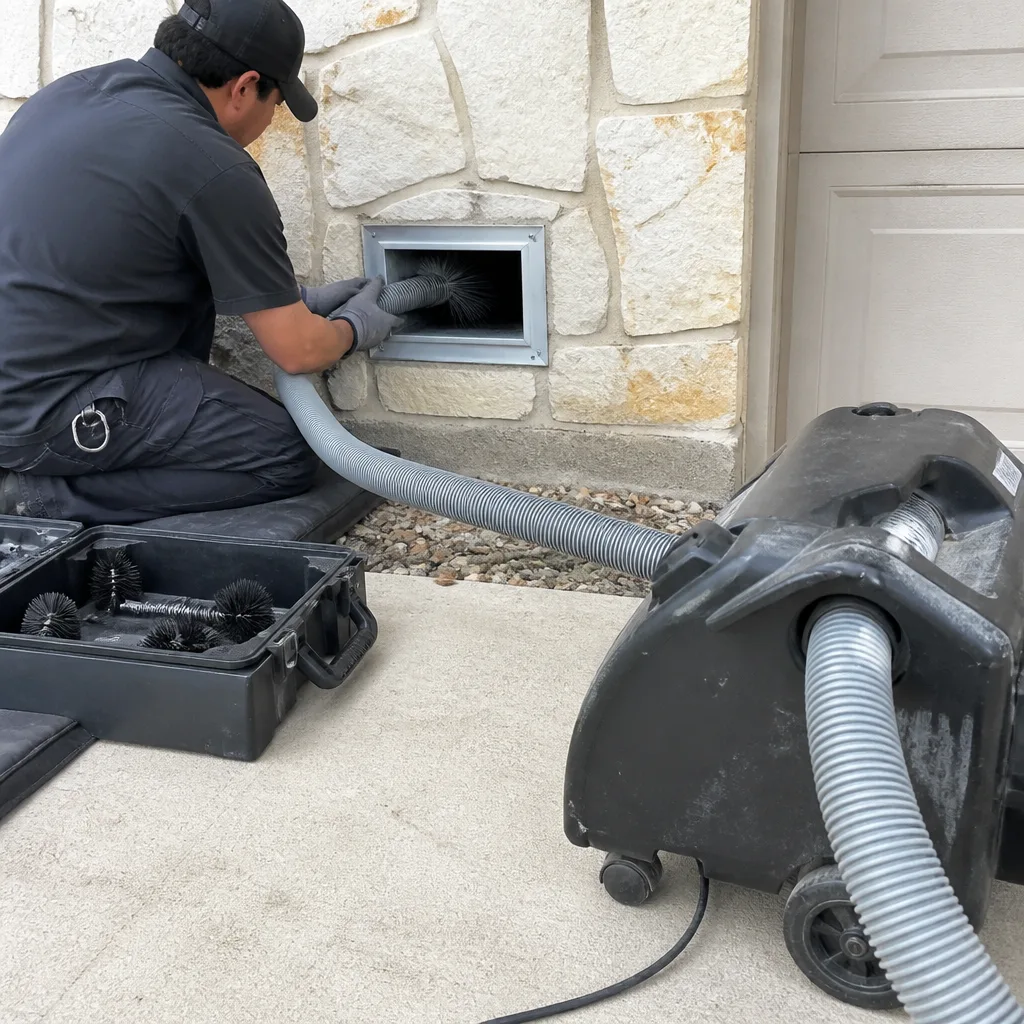 After
AfterRotobrush Vent Sanitizing: The Round Rock Owner’s Guide
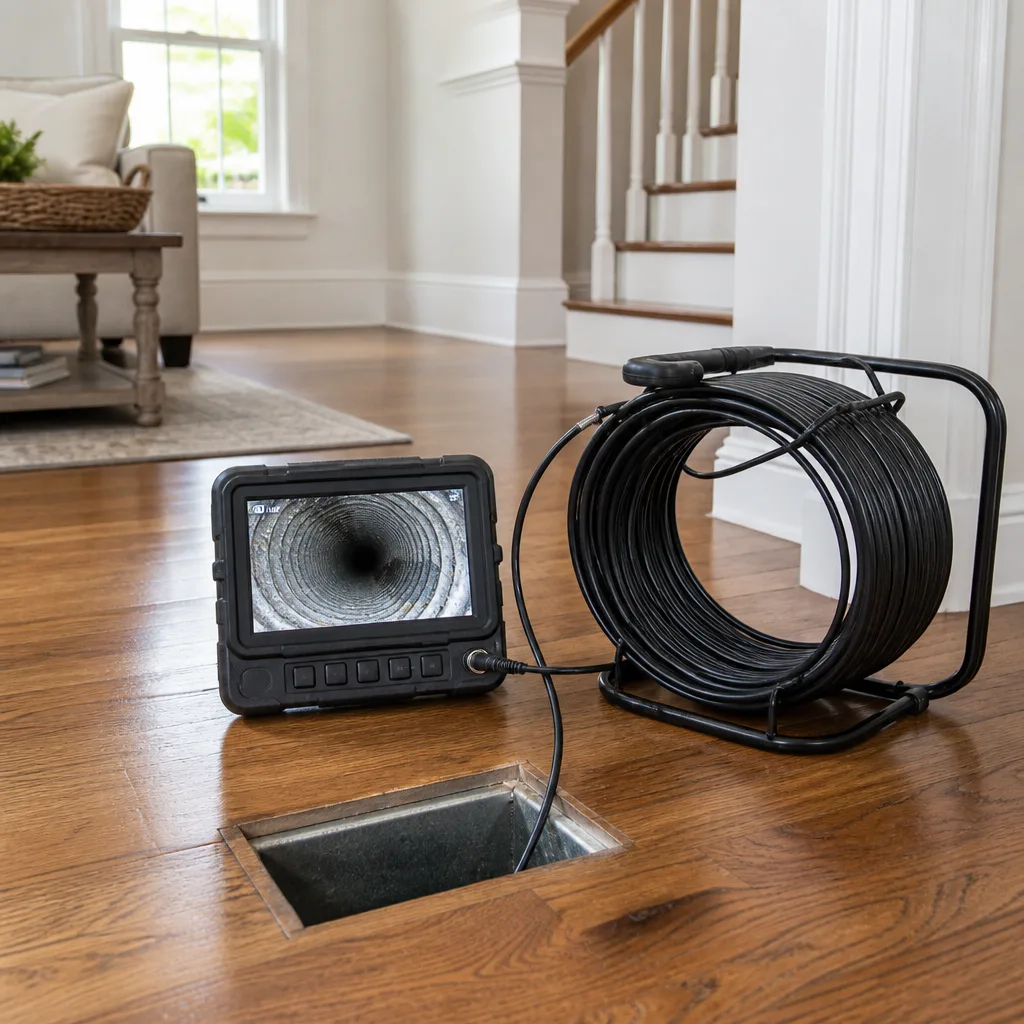
Rotobrush-compatible vent sanitizing installed in Round Rock typically runs $280-$420 for a whole-system application, and we stock the solution and application equipment for same-day scheduling. Most owners discover the issue when a post-cleaning mustiness persists, or when they pull a register and the duct metal still carries a sour, microbial odor after a standard brush-and-vacuum pass. The camera goes in first. Then we talk.
We see this most often in Teravista and Stone Oak Ranch homes built during the 2015-2020 construction wave, where tight envelope design traps humidity in the return plenum (the main collection box for your duct system) and gives residual bacteria something to feed on after the debris is gone.
Which Rotobrush Models This Applies To
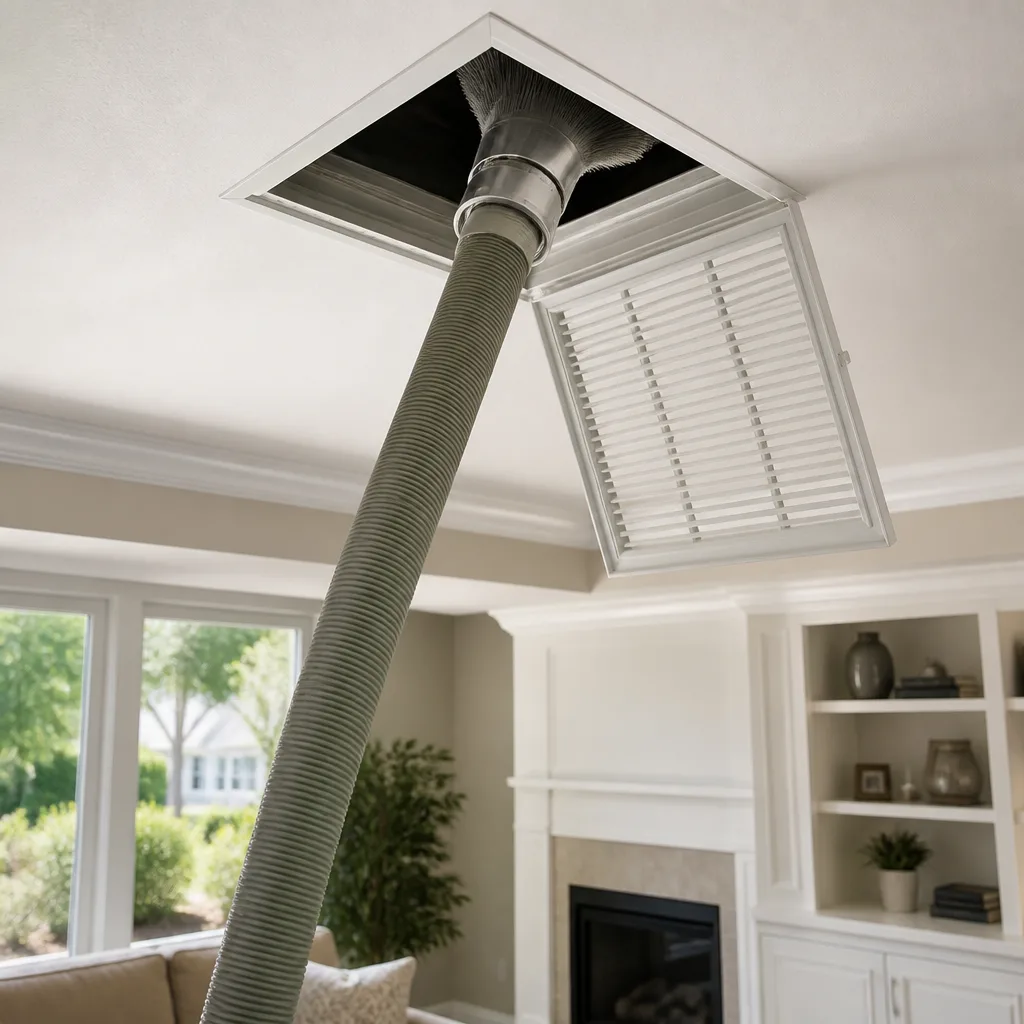
Rotobrush builds two distinct equipment lines that affect how vent sanitizing is applied: the original BrushBeast series and the newer BrushBeast 2.0 with its upgraded hose-diameter and injection-port configuration. The sanitizing solution must match the injection method - the original line uses a separate fogger attachment, while the 2.0 integrates a dedicated chemical port at the brush head. We carry application hardware for both.
To identify your unit, check the data plate on the vacuum motor housing. The model prefix “BB-” indicates first-generation BrushBeast; “BB2-” or “BBII-” marks the 2.0 series. The hose cuff diameter differs - 1.5-inch on original, 2-inch on 2.0 - and forcing mismatched hardware will blow solution back into the motor rather than the duct run (the individual branch line feeding a single room).
CleanRun Air Duct Cleaning Round Rock is an independent service provider, not affiliated with Rotobrush. We source OEM-spec sanitizing concentrate and compatible application equipment from trade suppliers, plus we stock Guardsman and Nikro alternative foggers for units where the factory attachment has been discontinued. The OEM concentrate runs higher per-gallon but carries a verified 99.6% microbial kill claim on the SDS sheet; the aftermarket equivalent we use meets the same EPA registration standard at roughly 30% lower material cost, and we pass that difference through.
Signs Your Rotobrush Vent Sanitizing Is Failing
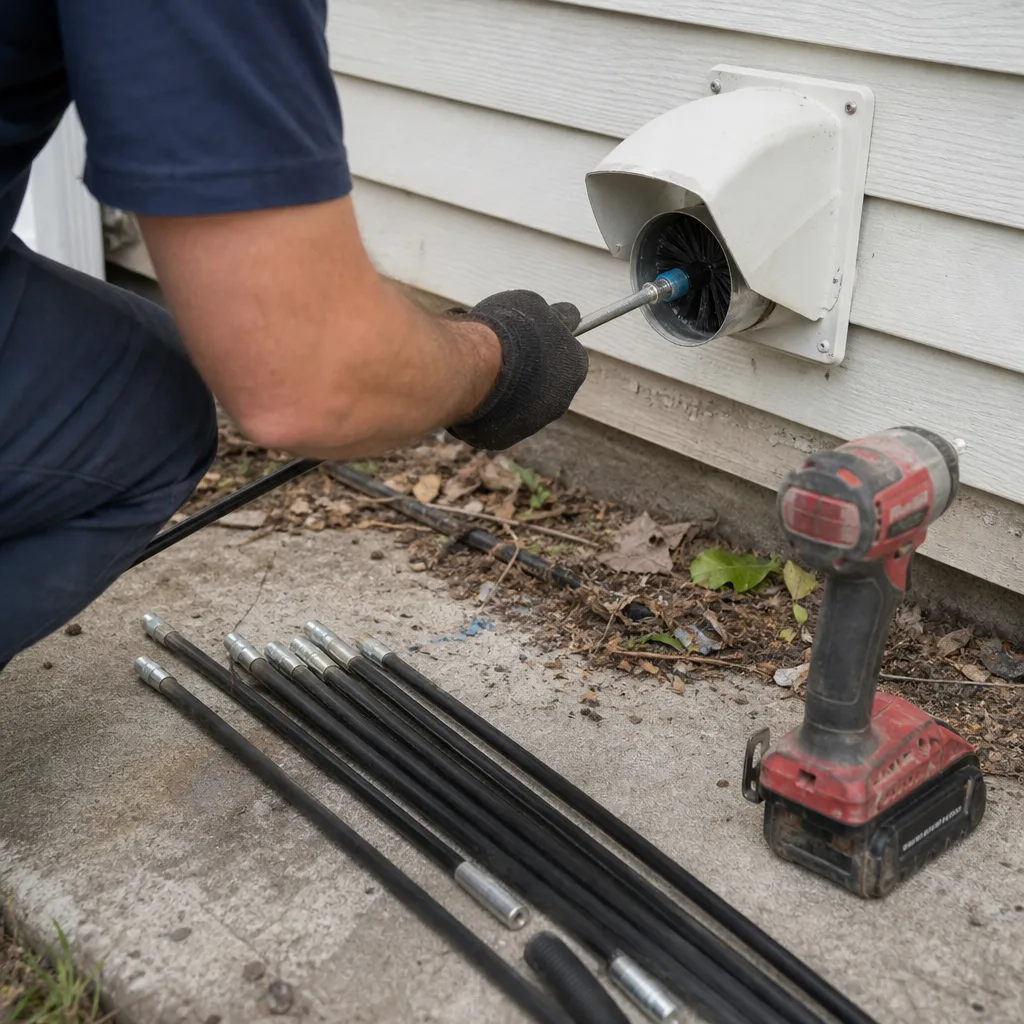
- Persistent musty odor after brushing. The mechanical brushing dislodges debris but does not address biofilm on the duct walls. If the smell returns within 48 hours, the sanitizing step was either skipped, diluted incorrectly, or applied with insufficient dwell time.
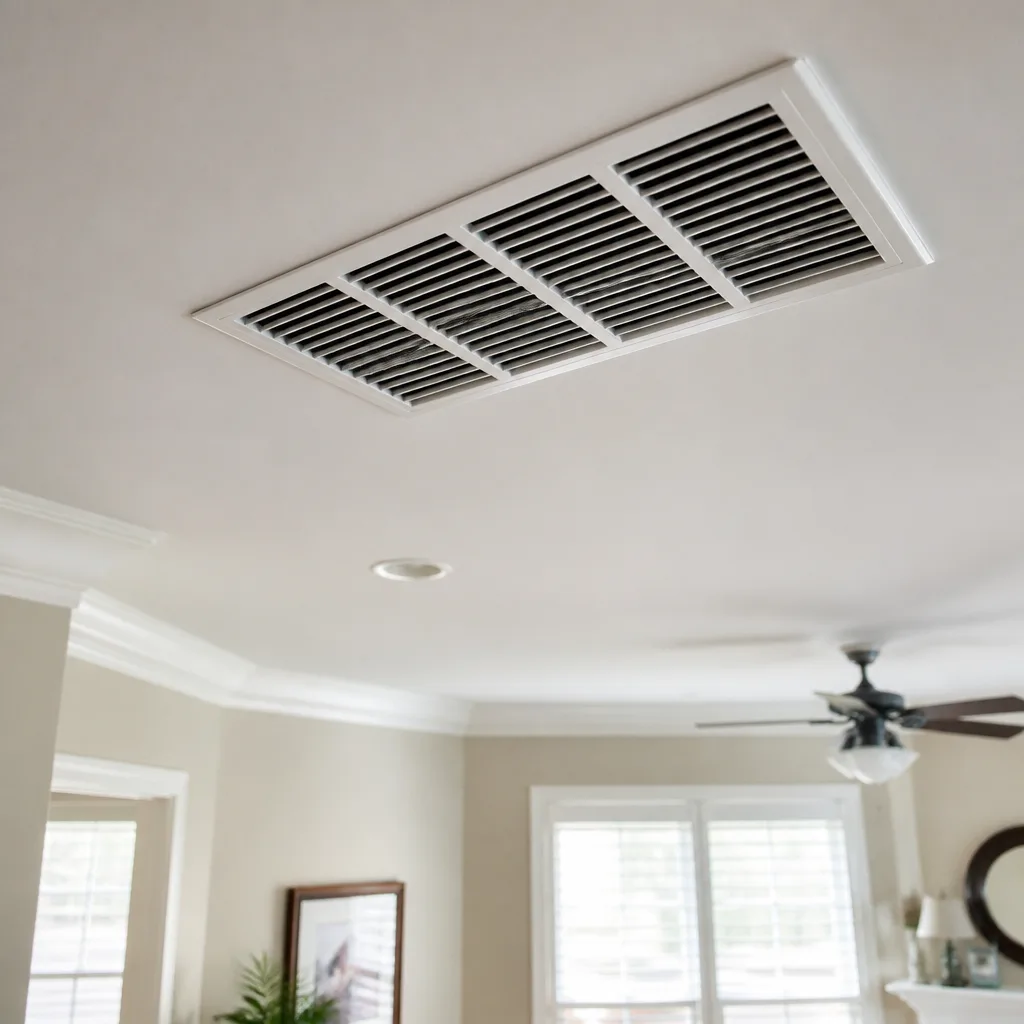
- Visible microbial staining at register edges. Dark rings around the supply register (the vent cover where conditioned air enters the room) indicate active growth that brushing alone will not kill. The stain is a symptom; the colony extends back into the duct boot.
- Increased allergy symptoms post-service. When debris is loosened but not fully extracted or killed, particle counts can spike temporarily. If symptoms worsen rather than improve after a Rotobrush cleaning, the sanitizing phase likely failed.
- Solution residue pooling in the plenum. Over-application or incorrect dilution ratio leaves a sticky film that attracts new debris. We see this in DIY jobs where homeowners used household disinfectant at full strength instead of the manufacturer-specified 10:1 dilution.
- Equipment clogging during application. The fogger nozzle or injection port can crystallize if the solution is left in the lines between uses. This produces an uneven spray pattern and wastes material without delivering kill concentration to the duct surface.
BeforeAfterReplacement Cost & What’s Included
| Service Component | Price Range |
|---|---|
| Whole-system vent sanitizing (up to 12 duct runs) | $280-$340 |
| Whole-system sanitizing (13-20 duct runs) | $340-$420 |
| Return plenum-only treatment (add-on to cleaning) | $85-$120 |
| Heavy microbial remediation with contact agitation | $420-$580 |
The range depends on three factors we document before quoting: duct run count verified by camera, contamination level visible on the photo record, and whether the evaporator coil (the indoor cooling component above your furnace) requires simultaneous treatment. Every price is written and signed before work starts, per Haven Standard Clause 1. The sanitizing application carries our 365-Day Done Right Promise - if odor or staining returns, we re-treat at no charge.
What the price includes: EPA-registered sanitizing concentrate mixed to manufacturer spec, application via Rotobrush-compatible fogger or injection port, full extraction of any residual liquid, and before/after photo documentation of three representative duct runs delivered with your job record.
DIY or Call Us?
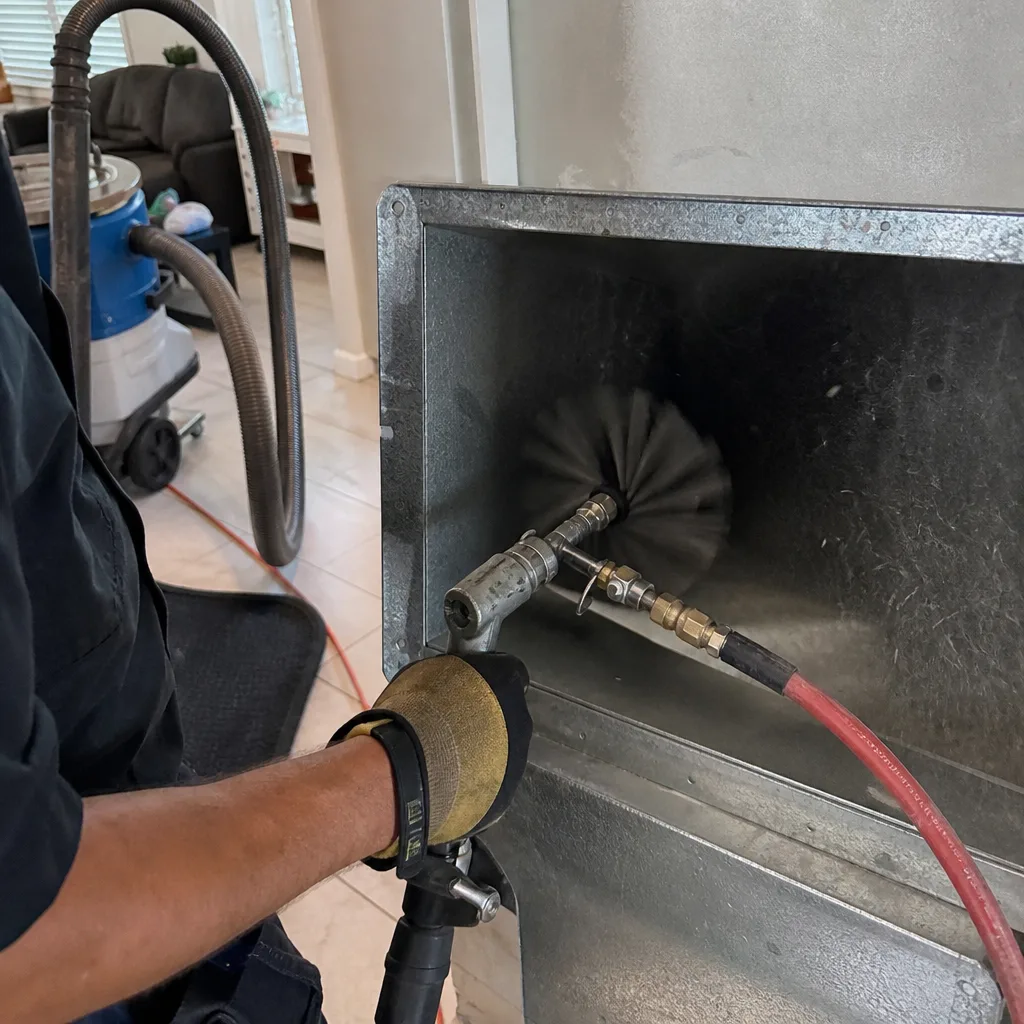
An owner can safely verify two things: the model number on their Rotobrush unit and whether the previous service included sanitizing at all (check your invoice for line-item “vent sanitizing” or “microbial treatment”). What you cannot safely verify yourself is whether the solution reached the full duct surface, whether the concentration was correct for your duct material, or whether the application equipment was calibrated.
The risk in DIY sanitizing is not dramatic - no high-tension springs or electrical hazard here - but it is real and expensive. Over-concentrated solution corrodes galvanized ductwork over time. Under-concentrated solution breeds resistant microbial colonies. Misapplied fogging can trigger smoke detectors, leave residue on finished surfaces, or void your HVAC warranty if the coil is affected. We have re-cleaned four Round Rock homes this year where a homeowner’s sanitizing attempt created a bigger problem than the original odor.
If you are unsure whether your last Rotobrush service included proper sanitizing, or if you need the application hardware matched to your specific model, call us at (737) 259-5752. We will run the camera, show you what is actually in the duct, and put a written price in front of you before any chemical is mixed.
FAQs
In the Austin-Round Rock metro, with our combination of cedar pollen season, summer humidity spikes above 70%, and tight-construction homes, properly applied vent sanitizing remains effective for 18-24 months under normal occupancy. Homes with pets, recent water intrusion, or frequent HVAC cycling may see reduced lifespan. Call (737) 259-5752 and we can assess your specific conditions during a free estimate.
It needs full reapplication - there is no partial repair for insufficient microbial kill. If the original treatment was skipped, diluted wrong, or applied to wet duct surfaces, the active ingredient never bonded properly. We strip any residue, dry the duct run with negative-pressure extraction, and reapply to manufacturer spec.
A typical whole-system application takes 45-90 minutes after the mechanical cleaning is complete, depending on duct run count and whether the return plenum requires separate access. We do not rush dwell time - the solution needs 10 minutes of wet contact per manufacturer specification - and we document the clock with timestamped photos.
Yes. We carry OEM-spec concentrate, calibrated application foggers, and both 1.5-inch and 2-inch cuff adapters for all BrushBeast series units. For Lennox, Trane, and Carrier systems that require sanitizing as part of a manufacturer-scheduled maintenance protocol, we stock compatible application methods for those as well. Same-day scheduling is available for Round Rock and surrounding areas.
Written by Tomas Reyes, Owner, CleanRun Air Duct Cleaning Round Rock at CleanRun Air Duct Cleaning Round Rock, serving Round Rock and nearby areas.