
Whole-system duct and dryer vent check with before-and-after photos - you see exactly what came out of your vents
That "$99 whole-house special" is a bait ad - the real number appears once they are in your hallway, or the "clean" is a shop-vac at the register. We photograph the inside of your ducts before and after instead.
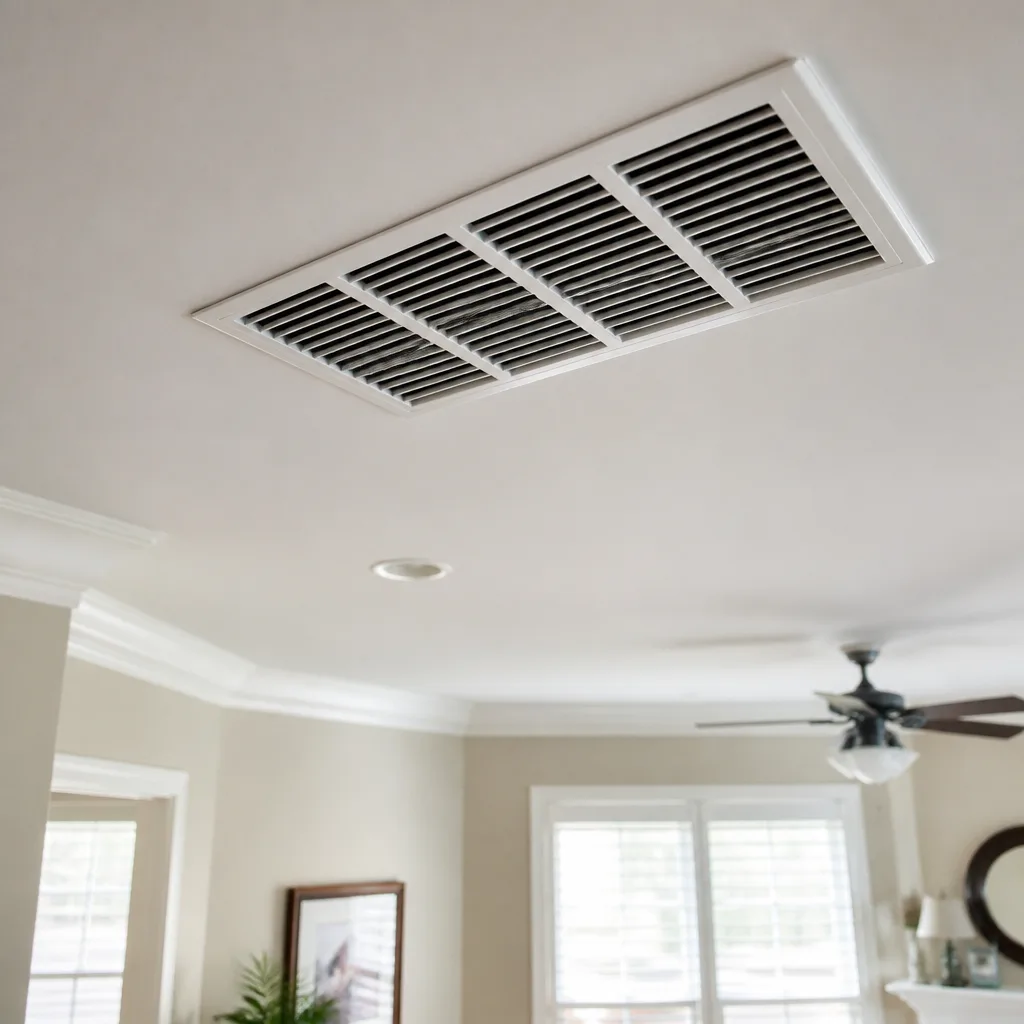
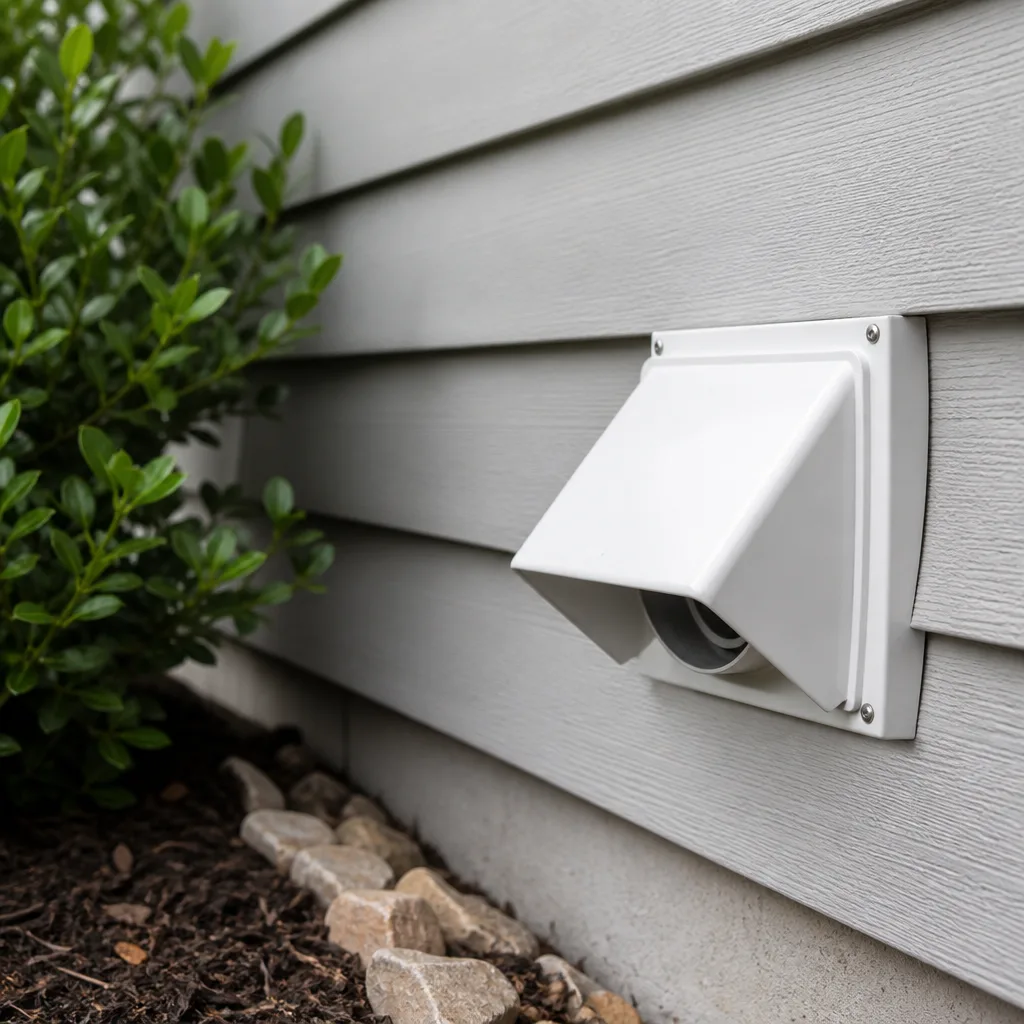
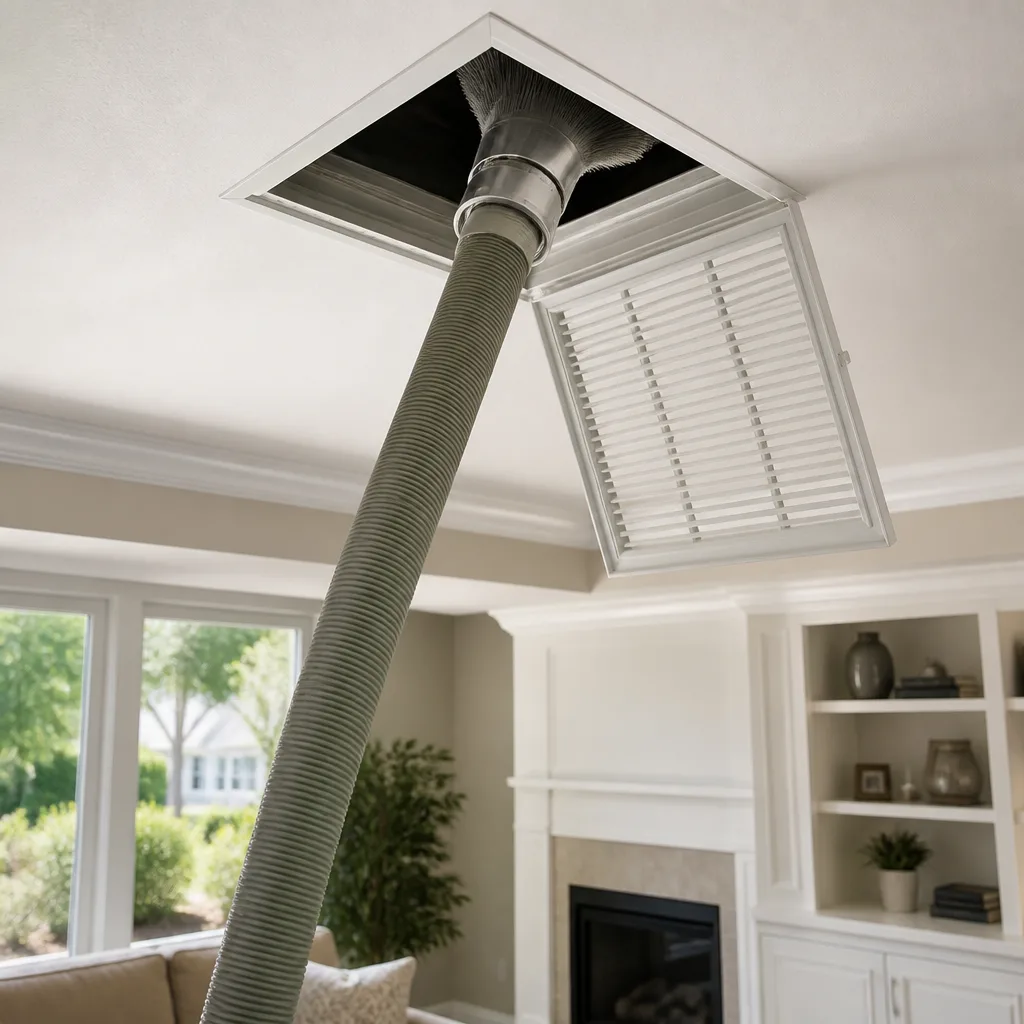
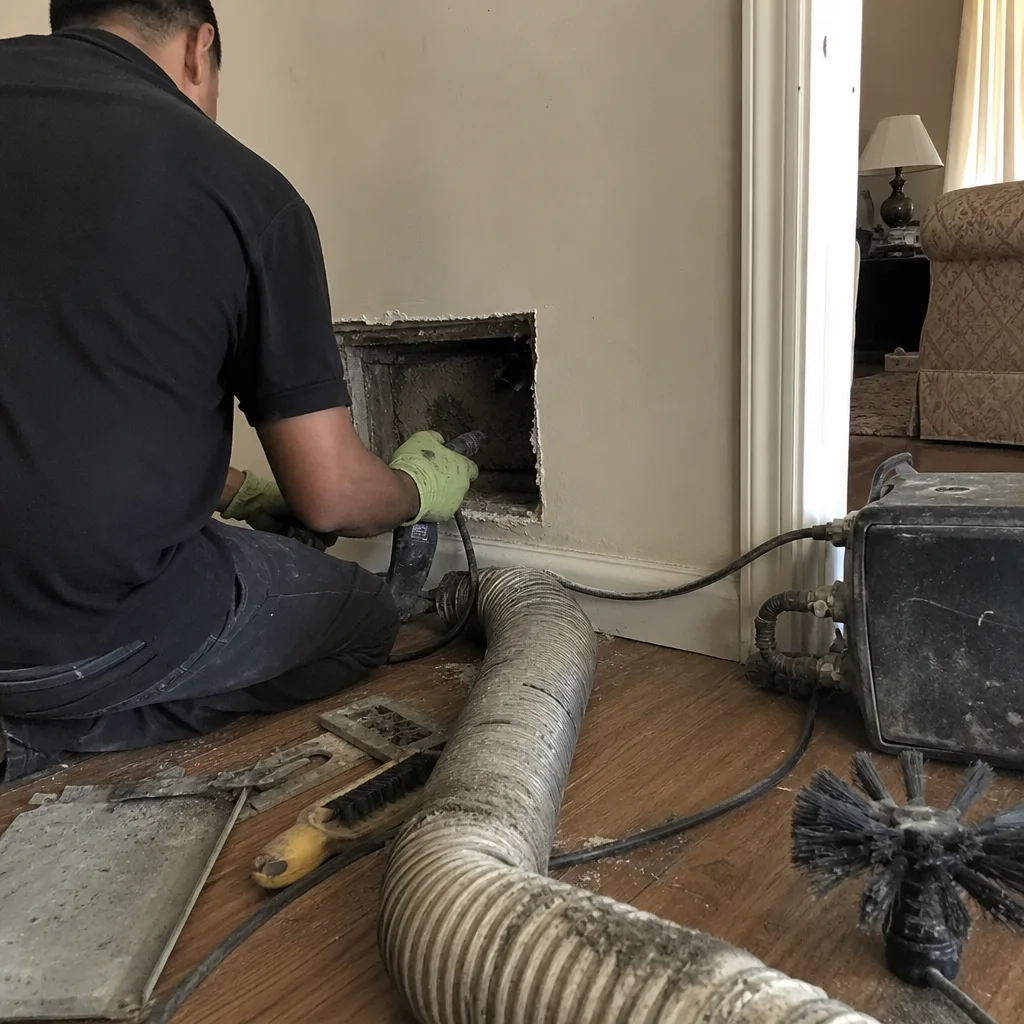 Before
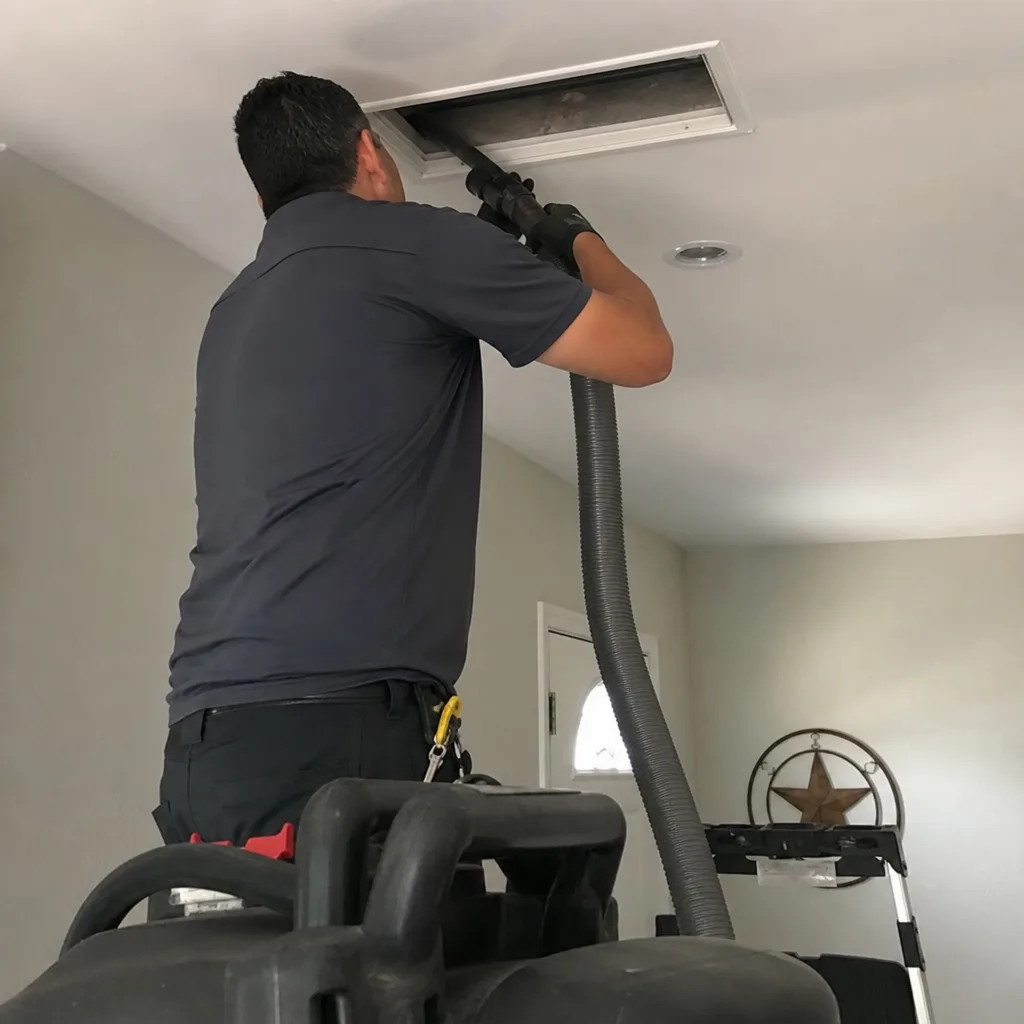 After
After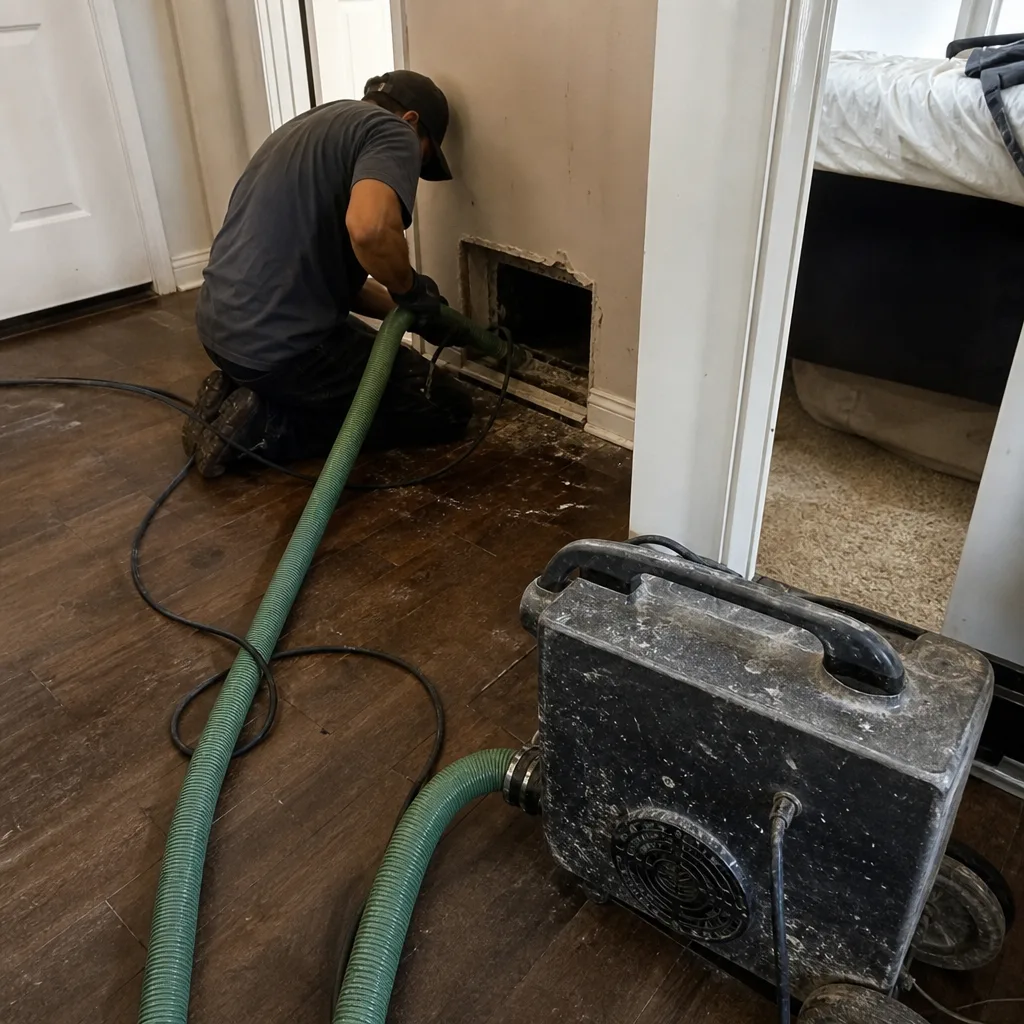 Before
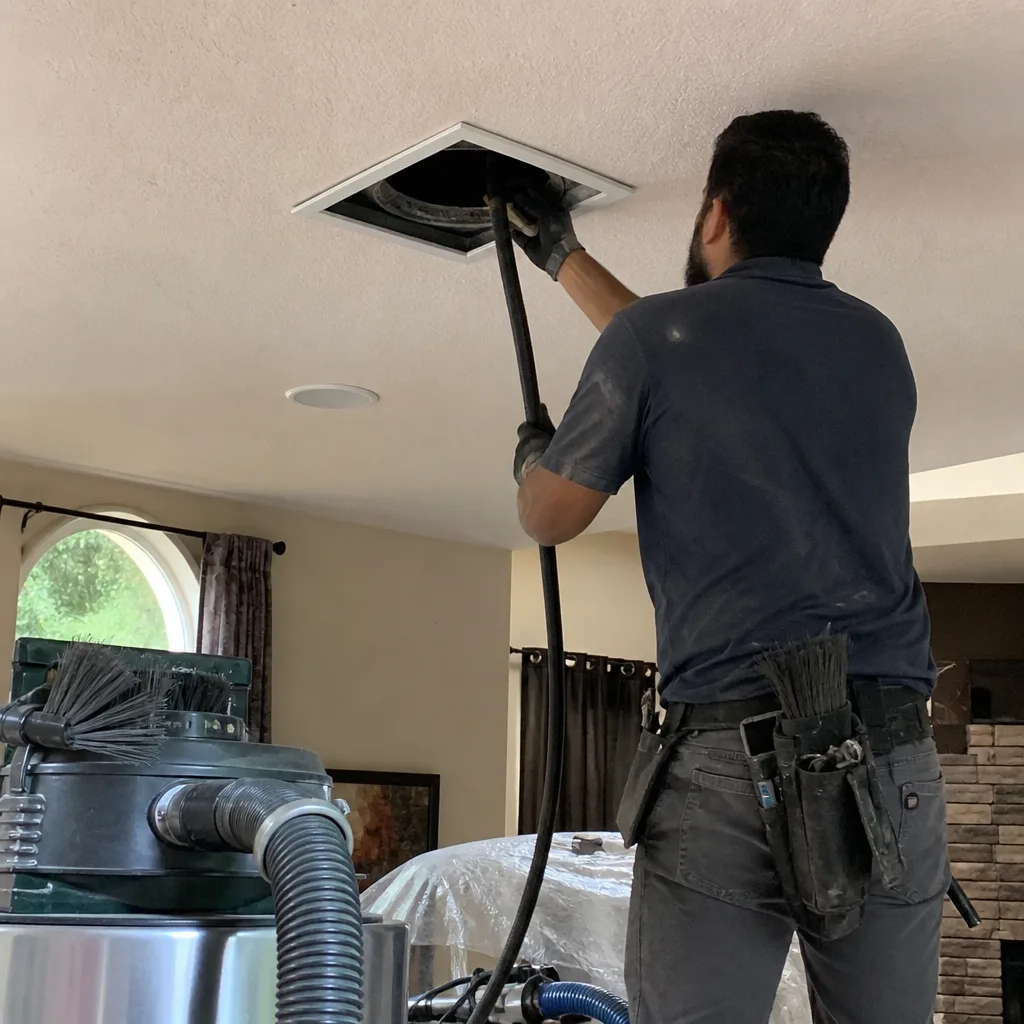 After
After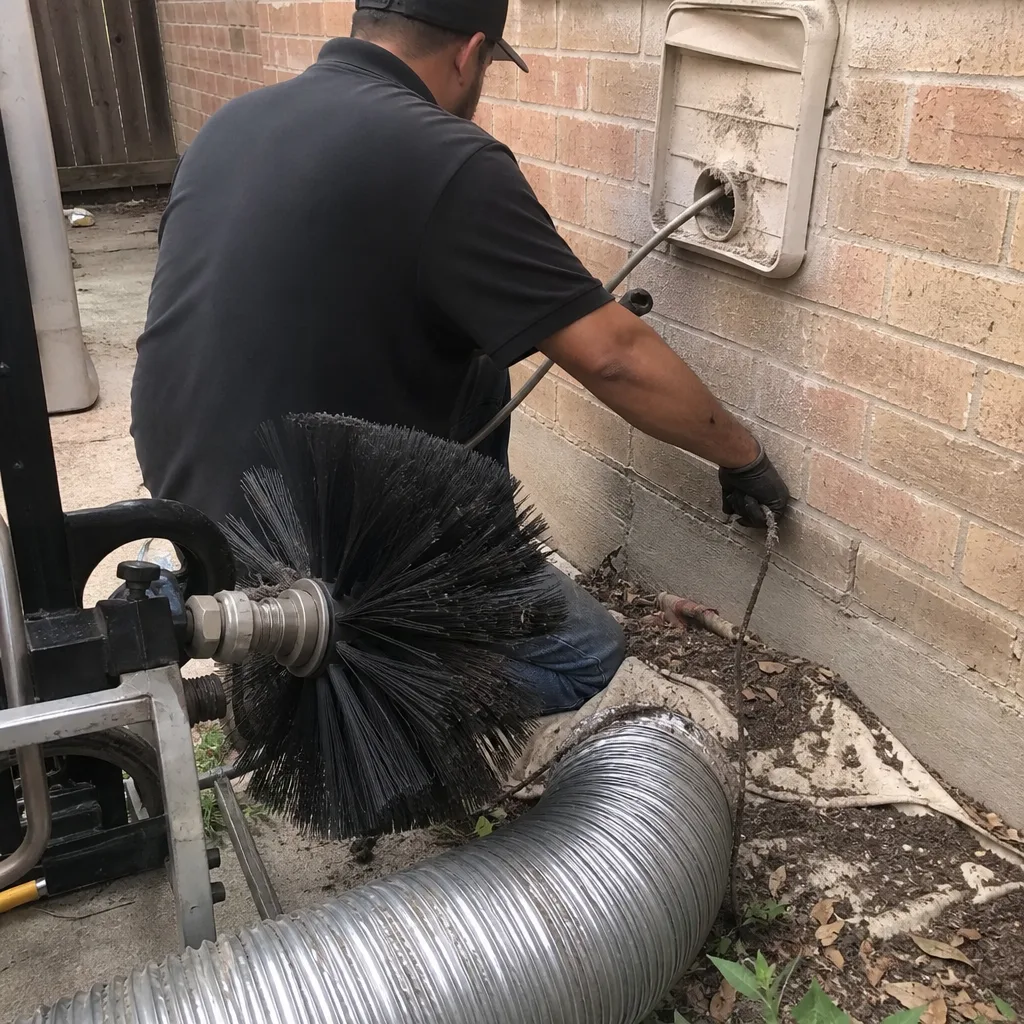 Before
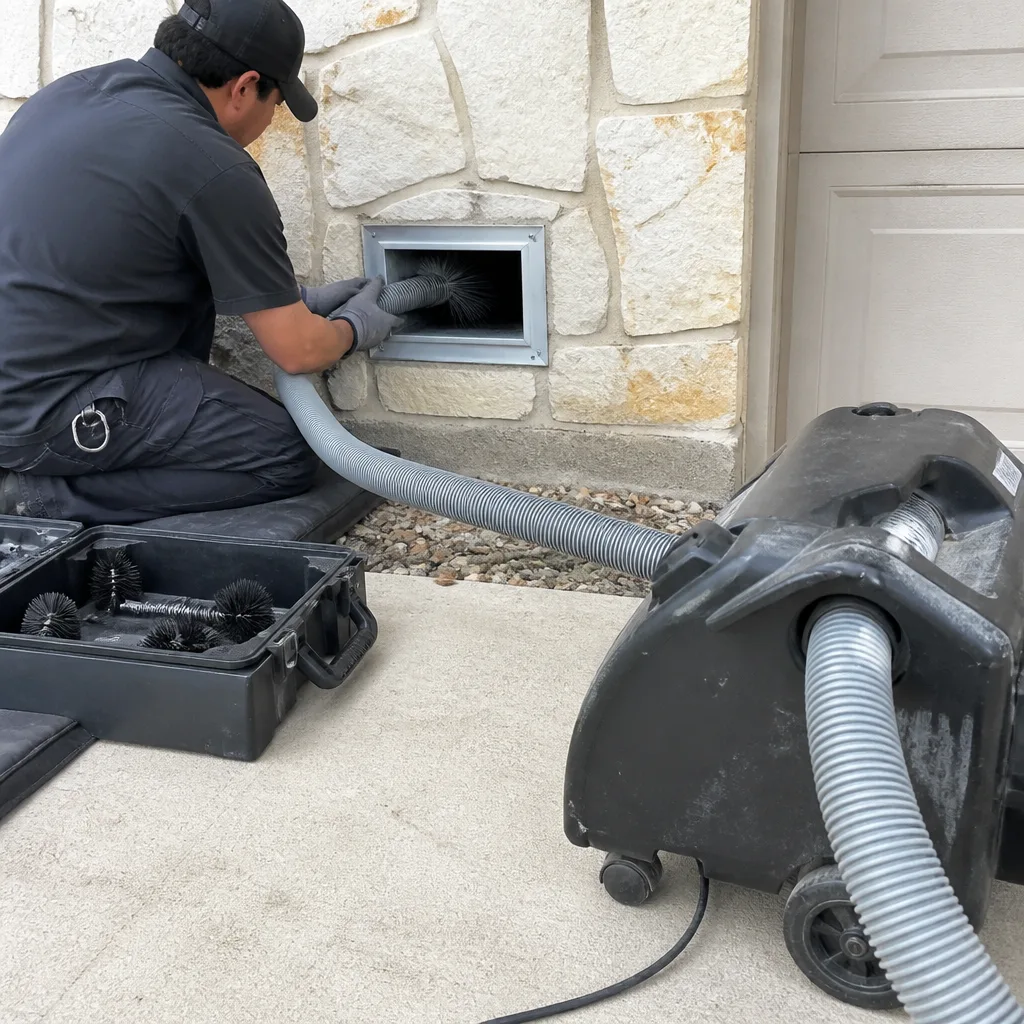 After
AfterRotobrush Duct Sealing & Repair: The Round Rock Owner’s Guide
Rotobrush duct sealing and repair in Round Rock typically runs $280-$520 for a complete system, depending on linear footage and whether we’re sealing accessible trunk lines or chasing leaks behind finished walls. We stock Rotobrush-compatible mastic, foil tape rated for 200°F continuous duty, and mechanical fasteners on every truck, and most residential jobs are completed in a single visit. The camera goes in first. Then we talk.
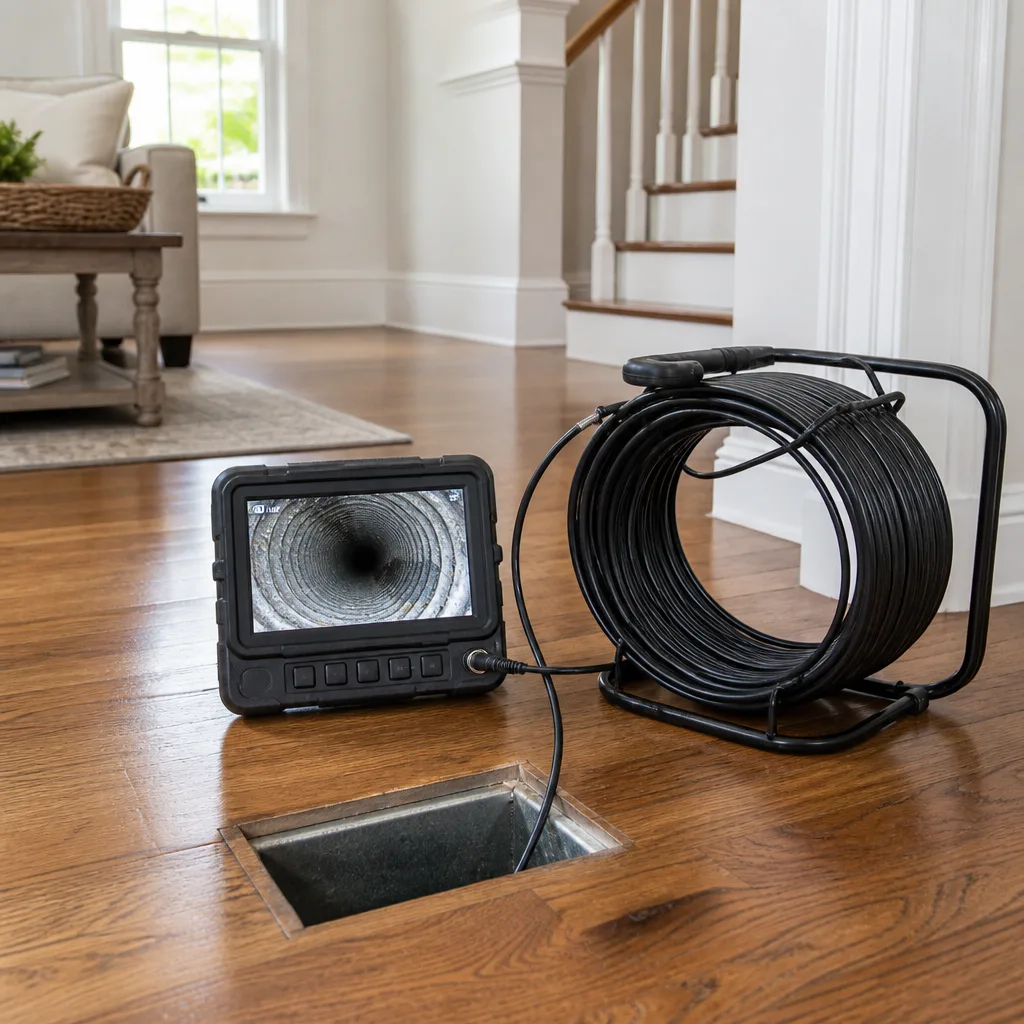
Most Round Rock homeowners find out their duct sealing is shot during an air duct cleaning visit, when the Rotobrush camera shows daylight streaming through a seam that should be airtight. Others notice it the expensive way: a summer electric bill that climbs $80-$140 above the same month last year, or a master bedroom that never quite reaches the thermostat setpoint while the rest of the house freezes.
Which Rotobrush Models This Applies To
Rotobrush builds two main platforms that affect how we approach duct sealing and repair: the portable Beasts series (Beast, Beast Lite, Beast Junior) and the truck-mounted Hurricane line. The Beast units run 8.5-inch and 10.5-inch brush diameters through flexible ductwork, which means the seals we apply must accommodate brush-induced vibration without cracking. The Hurricane, with its 12-inch and 14-inch brush capability, generates enough torque to loosen poorly seated register boots over time.
To identify what you’re working with, check the silver data plate on the motor housing. Model numbers starting with “RB” indicate Beast-series origin; “HU” denotes Hurricane. The critical compatibility gotcha: Rotobrush’s 2020-2023 Beast Lite units shipped with a proprietary 4.5-inch hose cuff that mates poorly with standard 4-inch register boots. We’ve seen a dozen Round Rock homes where a previous contractor sealed around the mismatch with standard foil tape, and the tape failed within 18 months from brush vibration. We stock the correct transition collar, or we cut and re-seat the boot properly.
OEM Rotobrush sealing kits exist but are priced for dealer networks. We use mastic and foil tape from Abatement Technologies and Guardsman, both rated to manufacturer specifications and available for independent verification. The difference is in application technique, not brand loyalty.
Signs Your Rotobrush Duct Sealing & Repair Is Failing
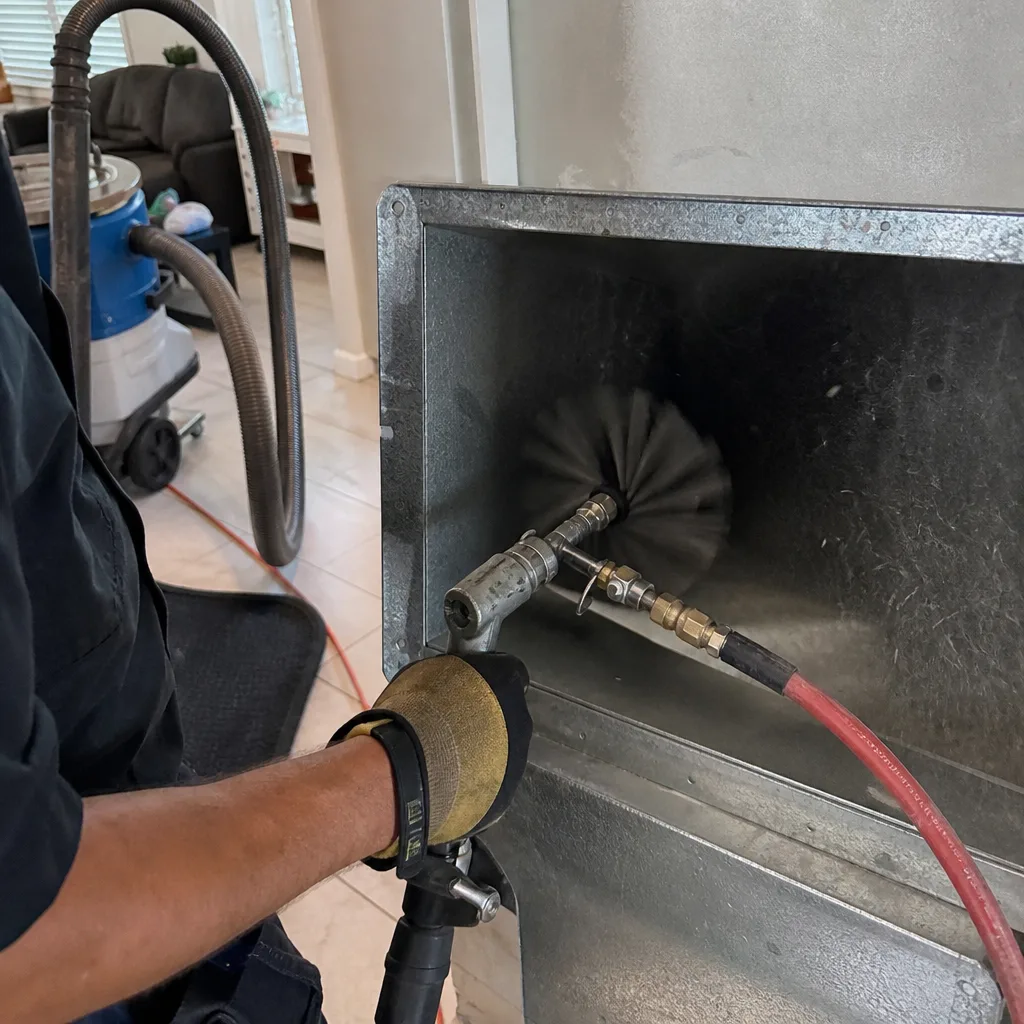
- Uneven room temperatures. The upstairs guest room runs five degrees warmer than the downstairs hallway because conditioned air is leaking into the attic through a separated trunk-line seam. The thermostat in the hallway reads satisfied; the guest room never gets the message.
- Dust accumulation at register edges. When the seal between the duct boot and drywall fails, attic dust gets pulled into the pressure differential and deposits in a dark ring around the register. In Round Rock’s cedar pollen season, this accelerates noticeably.
- Whistling or rushing air sounds. A high-pitched whistle from a ceiling register usually means the boot has pulled away from the duct, creating a narrow gap that turns the whole system into a wind instrument. The sound gets worse when the Rotobrush or any high-velocity equipment runs.
- Spiking energy bills with no rate change. A 15-20% jump in kWh usage during comparable weather months points to duct leakage above 20% of total airflow. In Round Rock’s 100°F July stretches, that’s real money.
- Musty odors when the system cycles on. Leaky return ducts in humid crawl spaces or attics pull in ambient air and its cargo of mold spores. The Rotobrush camera often reveals this before the nose does.
BeforeAfterReplacement Cost & What’s Included
| Scope | Typical Range | What’s Included |
|---|---|---|
| Register boot re-seal (1-3 boots) | $280-$380 | Removal, re-seat, mastic seal, photo record |
| Trunk line seam repair (accessible attic) | $340-$460 | Cleaning, mechanical fastening, mastic, foil tape |
| Full system seal (typical 2,000 sq ft home) | $420-$520 | All accessible ductwork, before/after photo record, written scope |
What drives the range: attic accessibility, whether the ductwork is flex or rigid metal, and how many previous sealing attempts we’re undoing. Haven Standard Clause 1 applies - we deliver a written price before any work starts, every time. The 365-Day Done Right Promise covers labor and materials; if a seal fails, we return and make it right at no charge.
DIY or Call Us?
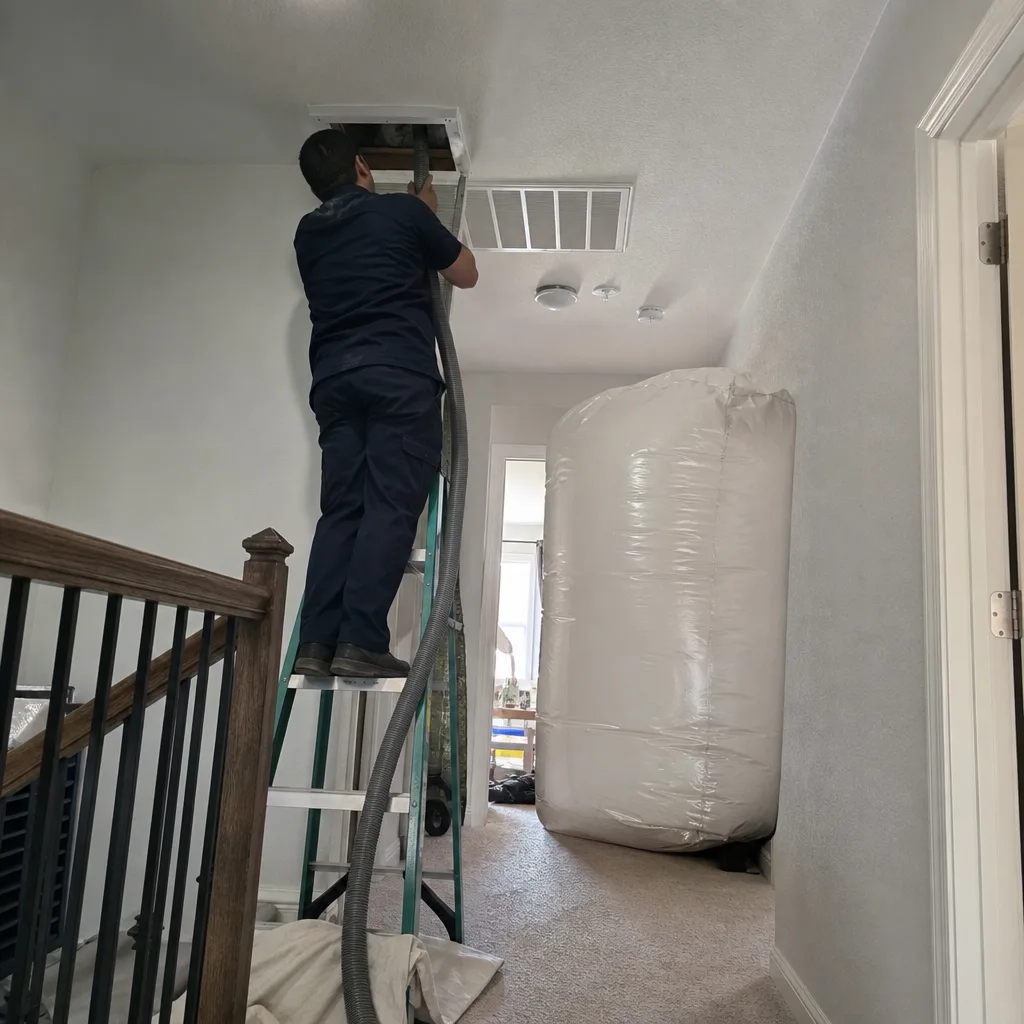
There’s honest work a homeowner can do: check that register boots are snug to the drywall, verify that floor registers haven’t been kicked loose, and confirm the filter slot cover is seated. These are visual checks, no tools required.
Where DIY goes wrong: attic work in Round Rock’s summer heat is genuinely dangerous without proper hydration and fall protection. More critically, mastic application looks simple but requires clean, dry surfaces and the right thickness - too thin and it cracks; too thick and it never cures properly. We’ve been called to homes where a well-meaning owner used duct tape (the cloth-backed kind, never rated for HVAC) or standard caulk that off-gassed into the airstream for weeks. The Rotobrush camera shows the result every time.
We stock the right materials and the right fasteners for Rotobrush-compatible systems. Call (737) 259-5752 and we’ll put a written number next to your situation.
FAQs
Properly applied mastic and foil tape last 15-25 years in our conditions. The enemy is repeated thermal cycling - 100°F attic days dropping to 40°F winter nights - which is why we use flexible, vibration-rated products rather than rigid sealants. Cedar pollen and construction dust in newer Round Rock neighborhoods like Teravista don’t directly degrade the seal, but they do clog filters faster, increasing system pressure that stresses seams over time.
Yes, if the underlying ductwork is intact. A separated seam gets cleaned, re-fastened, and re-sealed. We only recommend full replacement when the duct itself is crushed, rusted through, or improperly sized for the load. The camera shows which category you’re in before any price is written.
Most residential jobs run 2.5 to 4 hours for a two-person crew. A single register boot re-seal might take 45 minutes. Full-system work in a two-story home with attic and crawl space access runs toward the longer end. We photograph every run before we start and after we finish, so the time includes documentation.
Yes - mastic, foil tape, mechanical fasteners, and transition collars for the Beast 4.5-inch cuff issue are on every truck. We’re an independent service provider, not affiliated with Rotobrush, but we’ve worked with their equipment long enough to know where the compatibility gaps are. If your system needs something we don’t carry, we’ll tell you before we drive out, not after we’re standing in your attic.
Ready for a written price? Call CleanRun Air Duct Cleaning Round Rock at (737) 259-5752. We’ll run the camera, show you what we find, and put a flat price on the table before any work starts. Free second opinions on any competitor’s written estimate.
Written by Tomas Reyes, Owner, CleanRun Air Duct Cleaning Round Rock at CleanRun Air Duct Cleaning Round Rock, serving Round Rock and nearby areas.